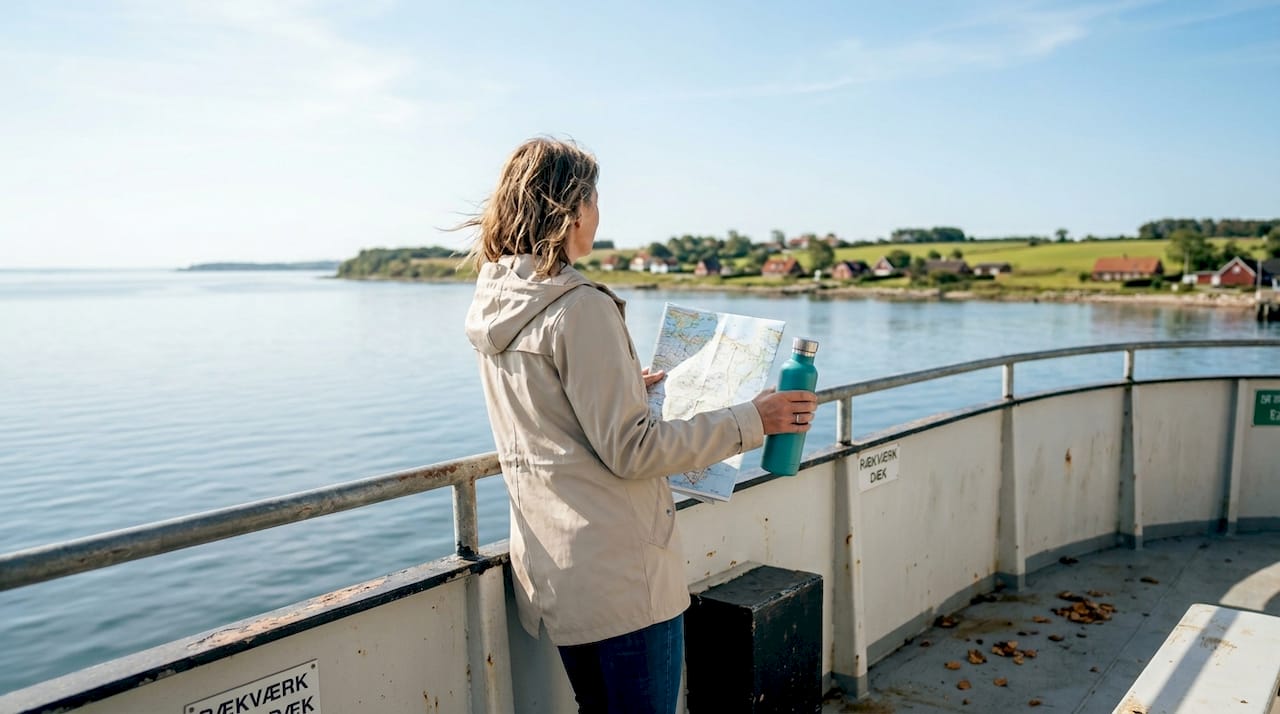
TL;DR:
- Ø-hop in Denmark means visiting several islands on one trip to experience culture, nature, and tranquility. It requires planning, but opens up for unexpected encounters, local relationships, and authentic experiences. Both DIY and organized tours offer unique and varied adventures in the Danish island landscape.
Denmark is an island nation with over 400 inhabited and uninhabited islands, yet many Danes overlook exactly the type of travel that makes the best use of this. Ø-hop is not about sitting passively on a ferry and waiting for the next destination. It's about letting the journey itself become the experience, meeting the locals at the small piers, feeling the salty air, and understanding that vacation in Denmark can be something entirely different from a summer house and a sandy beach. This article tells you exactly what Danish island-hopping is, how to approach it, and what makes it one of the country's best travel experiences.
Main Points
| Point | Details |
|---|---|
| Discover more islands | Danish island hopping allows you to visit multiple unique islands in one trip by ferry or self-planned. |
| Plan ahead of time | Early booking and flexibility provide the best experience and fewer logistical surprises. |
| Choose your turn type | Choose between organized package tours or planning the trip yourself, depending on temperament and comfort. |
| Enjoy the trip | The road itself between islands and the small pauses are often just as valuable as the destinations. |
What does Danish island hopping mean?
Island hopping in Denmark is simply explained: You visit several islands on the same trip instead of sticking to one destination. The transportation is primarily by ferry, and the whole point is that you actively choose to switch islands along the way instead of establishing a base somewhere and taking day trips from there.
It may sound simple, but the concept encompasses much more than just the transportation itself. When you jump from island to island, you encounter a new local culture, a different pace, and a different type of landscape almost every time. That is the core of the experience. The islands in the South Funen Archipelago are, for example, very different from each other despite the short sailing distances between them. Ærø is characterized by colorful wooden houses and cultural history, while Bjørnø is so small and quiet that it feels like stepping into another era.
It is no coincidence that the South Funen Archipelago is the most well-known place for island hopping in Denmark. Ø-hop is practiced as "beads on a string", where you move from island to island in a natural chain. The picture with beads on a string is precise: Each island is its own, but they hang beautifully together in a shared story.
Popular destinations for Danish island hopping include:
- The South Funen Archipelago Ærø, Lyø, Avernakø, Bjørnø and Drejø are classic stops.
- Smålands Farvandet Lolland and Falster serve as bases for more unknown islands.
- Limfjord Islands Mors, Fur, and Livø offer a completely different experience in North Jutland.
- The Southern Islands Møn, Bogø, and Nyord are shorter trips, but rich in nature and experiences.
A stop can be planned as a standalone holiday or combined with a broader trip around Denmark. Eat First-time visitor to Denmark Actually, I discover that the islands are the country's best-kept secret.
In the South Funen Archipelago, island hopping is often practiced as ferry-based island pearls on a string, where you visit several small islands in the same area and experience a unique blend of nature, culture, and tranquility.
It is precisely the combination of nature, culture, and tranquility that sets island hopping apart from other forms of travel. You are not a tourist in the same way as on a city vacation. You are a guest on the islands, and that feeling is hard to describe but easy to feel.
How hop-by-hop works in practice
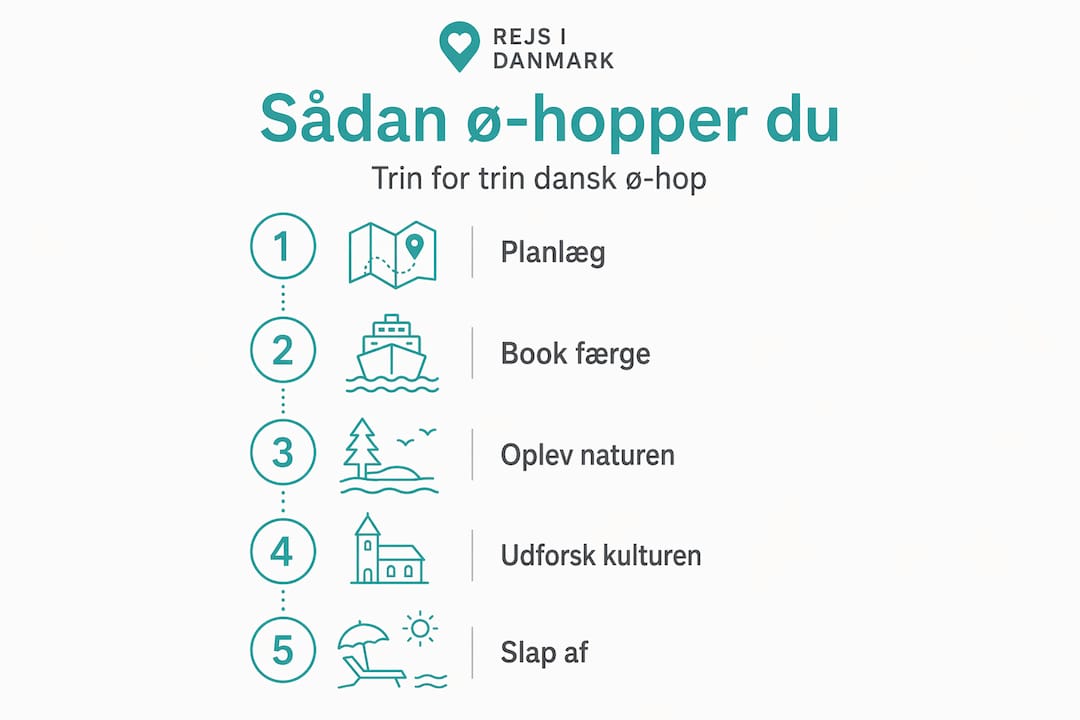
When you know what island-hopping is, the natural next step is to understand how it actually happens. Many beginners believe that island hopping requires a lot of equipment or expertise. It doesn't do that. But it requires planning.
A typical hop sequence looks like this:
- Choose your starting point. Svendborg is the classic starting point for the South Funen Archipelago. From there, you can sail to Ærø, Lyø, and beyond.
- Plan your route. Find out which islands you want to visit, and check the ferry connections. Not all islands have daily departure pages.
- Book accommodation. Many small islands have limited capacity, and on islands like Lyø or Bjørnø there are only a few accommodation options.
- Book ferry tickets. Especially during the summer months, it is crucial to reserve a spot in advance, especially if you are bringing a bicycle or a car.
- Pak, let men klogt. The weather can change quickly on the Danish islands. Rain gear, warm layers, and good hiking shoes regardless of the season.
- Set aside time to go slowly. Ø-hop is not about seeing the most islands. It's about feeling them.
A concrete example of a popular route is to start in Svendborg, take the ferry to Ærø, spend a couple of days cycling around, sail on to Avernakø, and end with a night on Lyø before returning home. A such Fyn-around island-hopping tour typically takes 4 to 5 days and provides a natural rhythm with time to relax and experience.
Professional tip: Always give yourself at least an extra hour between scheduled ferry connections. Fewer ferries typically run only a few times a day, and if you miss one, you could be stuck for hours. It's funny as a local anecdote afterwards, but not at the moment.
| Transport form | Advantages | Disadvantages |
|---|---|---|
| Bicycle ferry | Flexible and cheap | Limited luggage capacity |
| Car ferry | Great freedom and comfort | More expensive, requires booking |
| Pedestrian | Most comfortable and cheapest | Depending on taxi/bike rental |
| Private sailor | Ultimate freedom | Requires boat license and experience |
Scheduling is one of the most important aspects of island hopping. Ferry and sailing schedules make island hopping sensitive to delays, and therefore experienced island hoppers always recommend building in buffer time. It's not about pessimism, but about ensuring that you don't run from island to island in stress.
When you planning your day trip On one of the islands, it's smart to have a list of the things you absolutely want to see, but leave the rest open. The islands are filled with unexpected encounters, unknown paths, and hidden coastlines that you won't find in any guide. Find them in your own way. And if you are missing Inspiring excursion ideasThere are plenty of options to choose from along the Funen islands.
Organized hop or do-it-yourself?
Once you've decided to try island hopping, there's one big decision left: will you do it yourself, or will you have someone take care of the practicalities?
Both approaches have clear advantages, and the choice largely depends on your temperament and your travel style. Many travelers don't even consider that it exists organized hop-on-hop-off offers, e.g., through folk high schools, where everything from transportation to accommodation and guidance is included. It's an obvious choice if you're new to island-hopping, traveling alone, or just want to focus on the experience rather than the logistics.
| Organized hopscotch | DIY hop | |
|---|---|---|
| Price | Typically higher price, all included | Cheaper but requires more research |
| Flexibility | Lav, fixed program | High, you decide for yourself |
| Security | Guide and backup in case of problems | You handle challenges yourself |
| Community | Automatic with other participants | You choose whether you want to socialize |
| Planning work | Minimal | Essential |
The advantages of organized hop-on hop-off include:
- Everything is included. No stress over ferry tickets, booking accommodation, or routes.
- Local guide. A guide knows the islands and can point you toward experiences you would never find on your own.
- Social community. Especially for solo travelers, it is a fantastic way to meet like-minded people.
- Predictable expense. You know exactly how much the holiday costs before you start.
The advantages of do-it-yourself hop include:
- Total freedom. Stay on an island for three days if you want. Skip another if the weather is bad.
- Cheaper for those who plan well. With a budget and a good plan, it can be significantly cheaper.
- Very authentic. You meet the locals at the places they actually use, not the tourist-friendly spots.
- Personal pace. No morning gathering, no group activities, just your journey.
Many experienced island-hoppers recommend starting with an organized tour to learn what works, and then creating your own program afterward. It gives the best of both worlds. If you want more inspiration for what you can experience along the way, we have gathered experience routes in Denmark It suits all types of travelers.
Good advice and pitfalls of island-hopping
The choice of travel type is important, but the actual execution is even more important. Most of the pitfalls of island-hopping do not occur because something went wrong, but because the trip was not planned to accommodate the unexpected.
Here are the most important tips from experienced island-hoppers:
- Book early. Summer holiday ferries and overnight stays are popular. Especially on Ærø and the smaller islands, the capacity is limited. Booking three to four months in advance is not an exaggeration.
- Check the sailing schedules carefully. Some islands have ferry connections only two to three times a day. A missed connection can mean half a day's wait.
- Good weather awareness. Even in the middle of summer, the weather on the Danish islands can change quickly. A windbreaker and a couple of extra layers are never wasted space in the bag.
- Be ready to change the plan. A storm warning during the day can mean that you cannot continue sailing. Take it easy and use the time on the island you're already on. Some of the best island experiences happen precisely during these involuntary pauses.
- Carry cash. Many of the small kiosks, farm shops, and local cafes on the islands do not always accept card payments.
Professional tip: Create a packing list for island hopping and save it for the next trip. Inkluder: regntøj, vandresko, kontanter, batteripakke til telefonen, et fysisk kort (mobilsignal er ikke altid stabilt), og en bog eller to til ventetider ved færgekajen.
Statistics: According to the Danish Road Traffic Authority, there are over 100 ferry routes to and from Danish small islands, and the number of passengers on these routes has steadily increased in recent years in line with the growing interest in domestic tourism.
Time buffers are crucial. Ø-hop requires a good time buffer due to ferry and sailing schedules, and it doubles if you are traveling with children, the elderly, or others who need extra time for boarding and disembarking. A good rule of thumb is never to schedule a departure within 90 minutes after an arrival if the two connections are on different islands.
It may seem like overkill to plan so thoroughly for a vacation that is about peace and freedom. It is precisely thorough planning that gives you the freedom along the way. Hit them hard, and then forget about them. Take a look at the many experiences all year round to find the best times to plan your trip.
Ø-hop in the spring is actually one of the best-kept secrets. May and June give you blooming nature, mild temperatures, and far fewer tourists than in August. Vineyards on Ærø are opening, local restaurants are not fully booked, and you can walk on the narrowest paths without meeting another person.
The hidden charm and learning in Danish island-hopping
Here's a point that most travel guides skip: the best part of island-hopping is rarely the islands themselves. It's everything that happens between them.
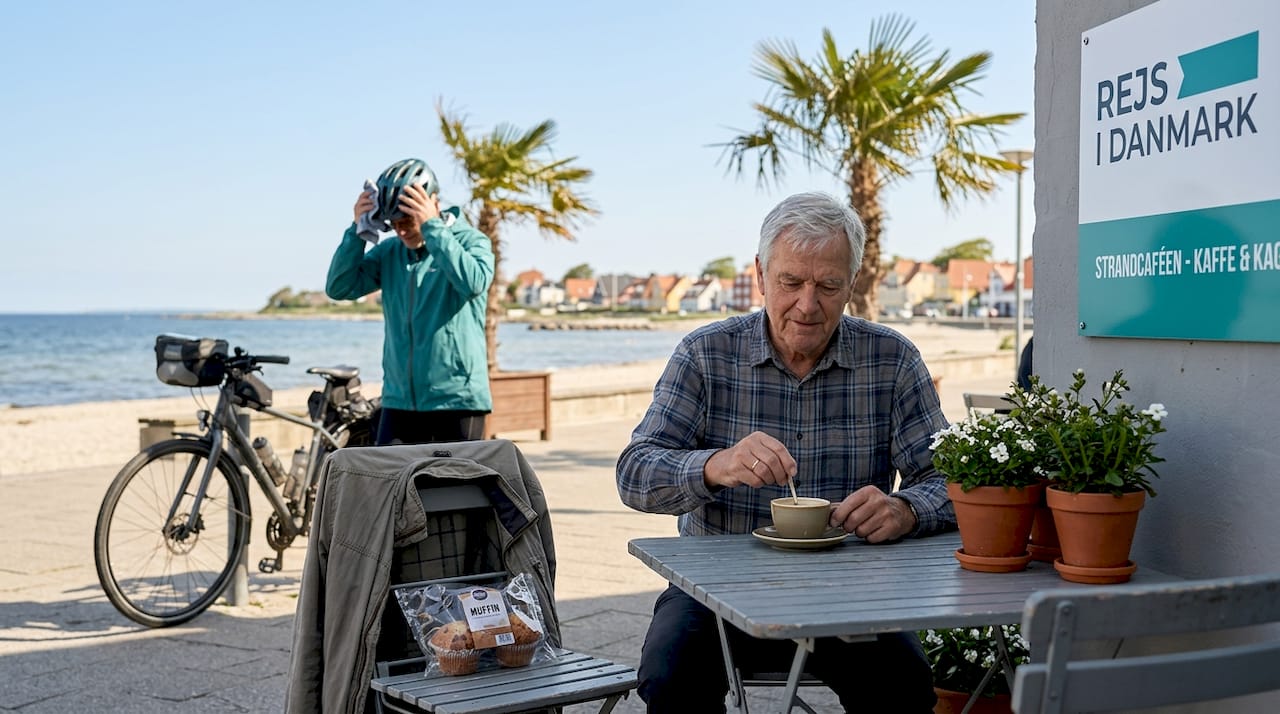
We plan vacations based on destinations. We want to see Ærøskøbing, we want to go to Bjørnø, and we want to cycle around Avernakø. It makes sense. But the experiences that actually stick in memory usually happen while waiting on the quay, in conversation with the man in the yellow raincoat who is taking the same ferry for the twentieth time, or in the sudden rain shower that forces you into the small cafeteria you would never have discovered otherwise.
Danish island-hopping is in many ways an exercise in letting go of control. It may sound like a cliché, but there is something concrete and practical in it. When you can't control when the ferry arrives, and you're stranded on an island with no Wi-Fi and almost no mobile signal, something interesting happens: you start to look at what is actually there.
The unpredictable logistics are not a mistake of the hop. It is a function. It puts you in a situation where your normal stress response cannot be used, and it is in that void that true holiday experiences occur. A bit like Danish traditions and experiencesis best felt in the close and unexpected.
We recommend a perspective that is a little different from the typical travel guide: plan your island-hopping route very carefully, but be mentally prepared to discard half of it. The routes that change along the way become the best stories. The island you didn't plan to visit but ended up landing on anyway because the departure was canceled is often the one you remember best.
It is also in interaction with the local population that Danish island-hopping differs from many other forms of travel. There are not many hundreds of tourists on the smallest islands. There are maybe ten. And the locals notice. They stop, offer a cup of coffee, tell about the island's history, and sincerely ask what brought you here. That meeting is not something you can book in advance. It is the true reward of the island hop.
Get even more out of your island-hopping experience with the right guides
If you want to get started with your own island-hopping adventure, the next step is to ensure you have the right planning tools at hand. On Rejs in Denmark, you will find everything from a Guide to local transportation to practical checklists that help you avoid the classic beginner mistakes. Use our road trip planning to assemble your route step by step, and find inspiration for what awaits you on the individual islands. If you're planning your summer now, ours Plan for summer vacation The best place to start, with concrete advice tailored to the Danish island landscape.
Frequently Asked Questions
Where in Denmark can you try island hopping?
The most well-known area is the South Funen Archipelago, but island hopping is also practiced as "island pearls on a string" in the Smålands Farvandet and along the Limfjord.
How do you book ferries for the island hop?
Most ferries can be booked directly online through the shipping companies' websites, and because island-hopping is sensitive to ferry schedules, you should book at least two to three months in advance during the high season.
Is it suitable for families with children?
Yes, many routes are family-friendly and children love the ferry trips, but good planning with breaks and time buffers is important. Ø-perle-ruter in the South Funen Archipelago is a good place to start for families.
Are there trips where everything is planned for one?
Yes, folk high schools offer organized island-hopping courses with transportation, accommodation, and guidance included, which is ideal for those who want to avoid all logistics.
How much time should be allocated for island hopping?
Most recommend a minimum of two to three days, but a full Fyn round island hop typically takes 4 to 5 days and offers the best balance between experience and immersion.