In short:
- Guided tours in Denmark provide access to unique places, in-depth stories, and local expertise. Saves time, offers authentic knowledge, and creates security with logistics and transportation. The price level varies from 150 to 500 kr., depending on type and length.
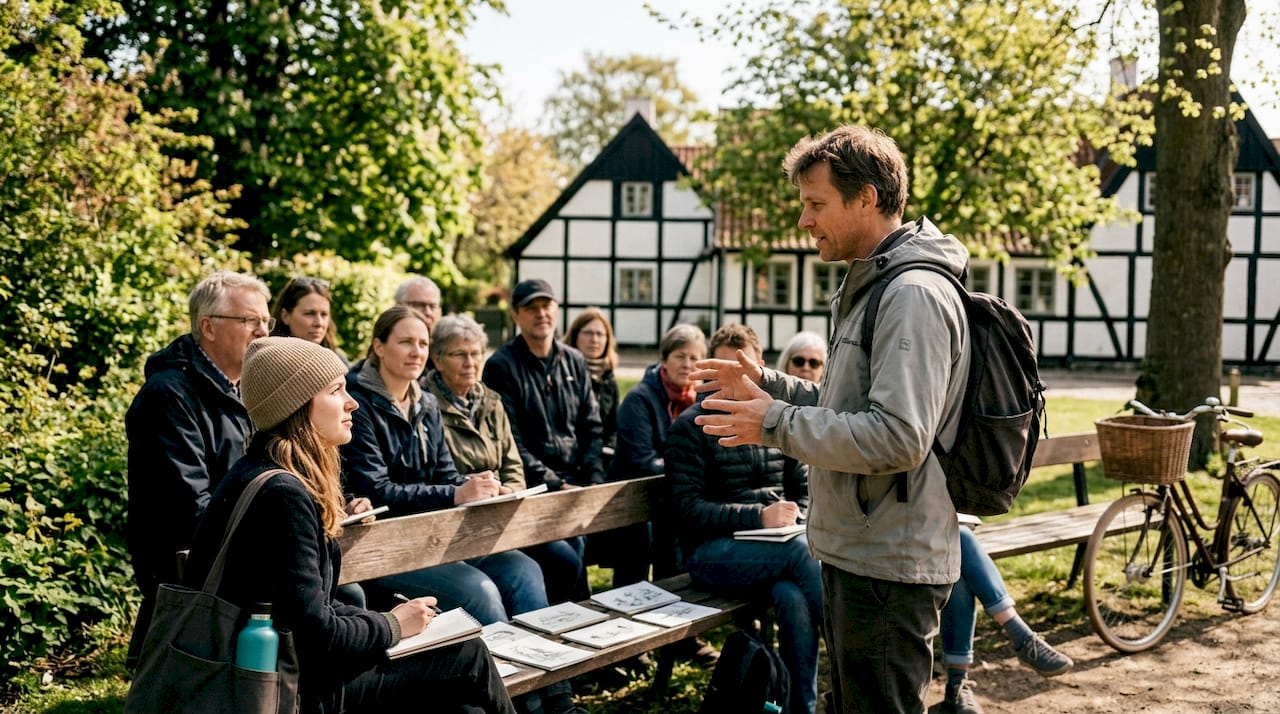
A guided tour is a planned experience where a local expert takes you through a destination with stories, insights, and access to places you rarely find on your own. The guide functions as a bridge between you and the place. The purpose is not just to show the way, but to give context and depth to what you see. What are guided tours in practice? It is a structured experience that combines logistics, storytelling, and local knowledge in one process. Rejsidanmark gathers a wide range of such experiences in Denmark, so you can easily find the trip that suits you.
What are guided tours, and how do they differ from independent exploration?
A guided tour differs from independent exploration in three crucial aspects: time, knowledge, and access. When you explore on your own, you often spend hours figuring out the right places. A guide cuts down the time and takes you directly to what is worth seeing.
Guided tours offer unique stories and access to places that independent exploration rarely provides. That means you go behind the facade and hear the stories that are not in any travel guide.
However, the biggest difference is the guide's role as a communicator. You cannot Google the context and the stories that the guide provides. A local expert knows which details make a place come alive and when an anecdote hits the mark.
Here are the three main advantages of guided tours compared to exploring alone:
- Time optimization The guide has already sorted out and knows exactly what is worth spending time on. You don't waste an afternoon looking for a parking spot.
- Exclusive knowledge: Local guides know the language, the culture and the small details that make the experience lively and authentic. It is knowledge that takes years to build.
- Safety and logistics The guide handles practical challenges such as transportation, queues, and group coordination. You can focus on the experience itself.
Independent exploration provides freedom and spontaneity. Guided tours provide depth and effectiveness. The choice depends on whether you prioritize Freedom or insight and security.
What types of guided tours are available?
The selection of guided tours is much broader than most people imagine. It's not just about city walks with a flag in the air. Modern tours cover everything from gastronomic excursions to nature experiences at the Wadden Sea.
Here are the most common types:
- Walking tours: The classic form where the guide takes you through a city's historic districts, tells about architecture and local legends. Copenhagen, Aarhus, and Odense all offer strong examples of this type.
- Nature experiences Nature and wildlife with a focus on flora, fauna, and landscape. A guided tour to Sort Sol at the Wadden Sea is a good example of an experience that requires local knowledge to find the right place at the right time.
- Gastronomic tours: Here is the focus on food and drink. You visit local markets, taste regional specialties, and learn about the food culture behind each stop.
- Historical tours True with a focus on a specific period or event. Vikings' Denmark, the occupation period, or medieval castles are popular themes.
- خصوصی ٹورے A private guided tour is tailored to your interests and your pace. Private tours can be tailored to participants' interests and offer a much more personalized experience than traditional guided tours.
- Group experiences Open tours where you participate together with other travelers. These trips are typically cheaper and provide an opportunity to meet new people.
Small guided tour companies are gaining rapidly in the tourism industry The shift towards personal and intimate experiences reflects that travelers are increasingly seeking authenticity rather than mass tourism.
Modern guided tours in 2026 focus on small groups with a maximum of about 10 participants for better quality and interaction. Fewer participants mean that the guide can answer questions, adjust the pace, and create a more lively dialogue.
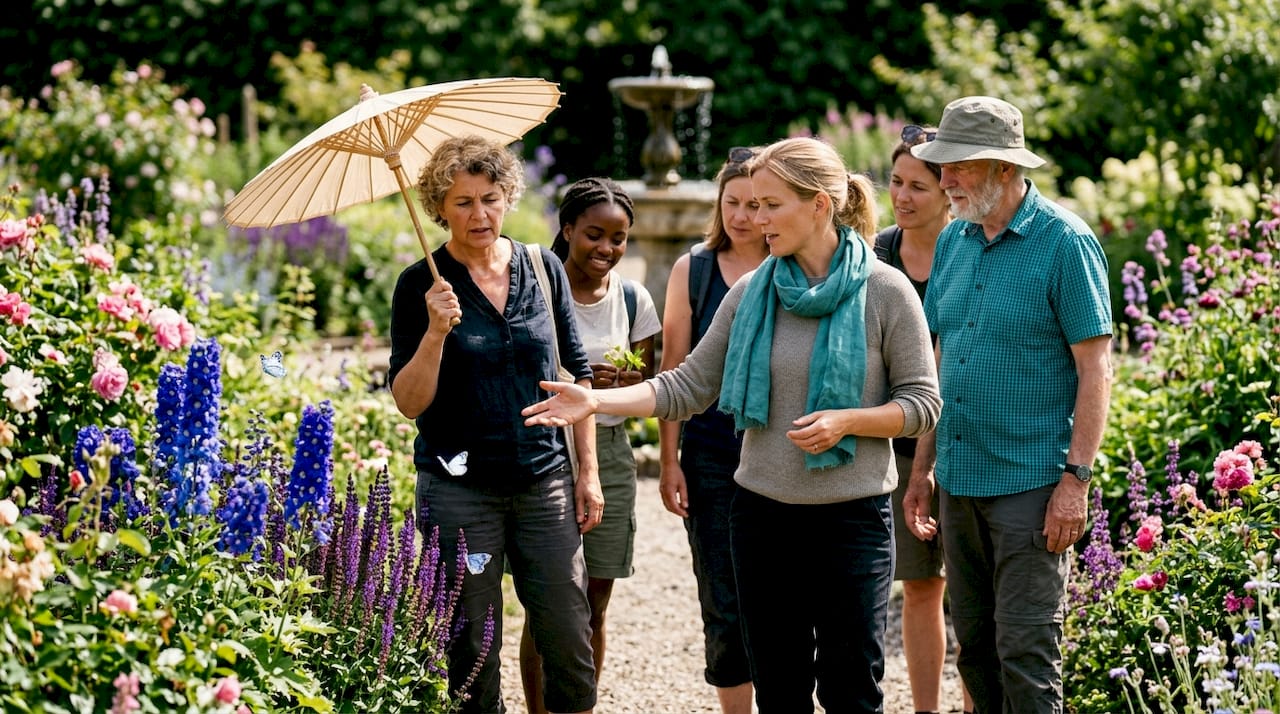
It is also a common misconception that guided tours are only for foreign tourists. Danes use guided tours a gift, a date, or a weekend activity in their own cities. Experiencing your hometown with fresh eyes and a local expert as a guide is an experience in itself.
What do guided tours cost, and what do you get for your money?
The price of a guided tour varies depending on type, duration, and format. The price typically varies from 150 to 500 kr. pr. person depending on the content and length of the trip. It covers everything from a one-hour city walk to a full-day excursion with transportation and catering.
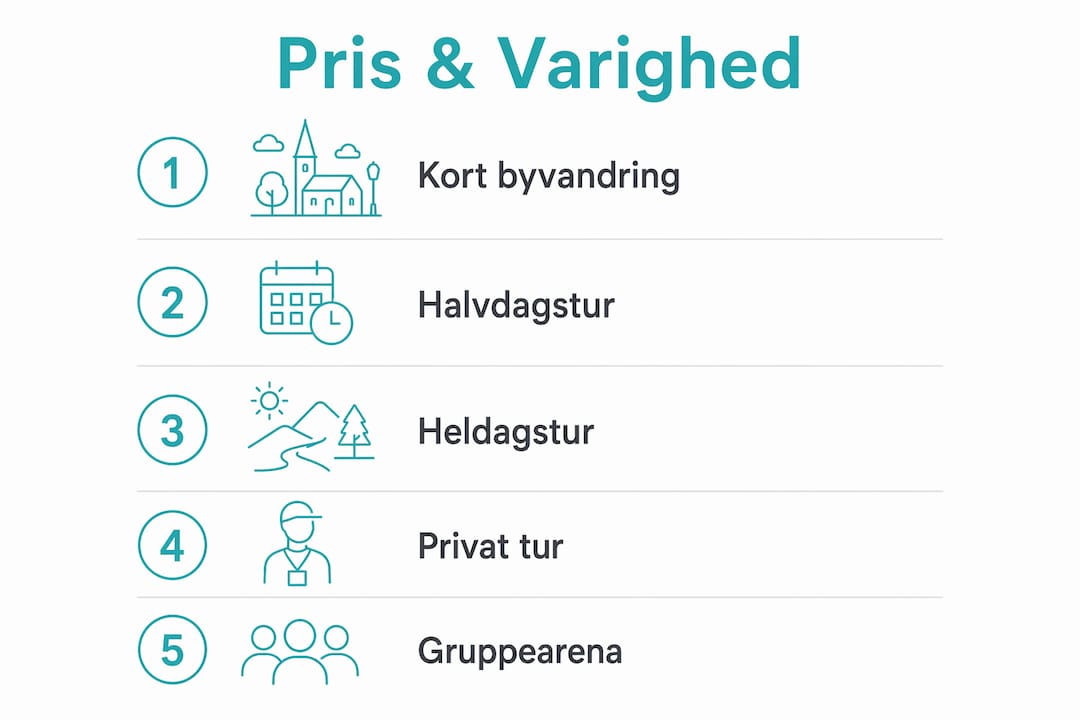
| Turtype | Typical price per person | Duration |
|---|---|---|
| Short city walk | 150–250 kr. | 1–2 hours |
| Half-day trip | 250–350 kr. | 3–4 hours |
| Full-day trip | 350–500 kr. | 6–8 hours |
| Private trip | 400–800 kr. | Varies |
Private suites are in the high end, but they are also much more tailored. You set the pace, choose focus areas, and avoid having to adapt to a group. For families or couples, the extra expense can quickly pay off in terms of experience value.
Group experiences are the most affordable choice. You share the guide costs with the other participants and still have access to the guide's knowledge and stories. Many travelers find that an open group tour actually enriches the experience because questions from other participants open up perspectives you wouldn't have thought of yourself.
Professional tip: Book early, especially for popular trips during the high season from June to August. Many tours with a maximum of 10 participants are sold out weeks in advance. Always check what the price includes: entrance, transportation, and catering are not always included.
Practical tips to get the most out of your guided tour
Preparation makes a noticeable difference in how much you get out of a guided tour. It's not about studying for the trip, but about showing up ready to participate actively.
- Clothing and footwear: Bring water, snacks, and weather-appropriate clothingit often takes place outdoors and involves walking. Good shoes are not a detail. A two-hour walk through cobblestone streets requires different footwear than a beach promenade.
- Language and communication Check the language of the trip when booking. Many tours in Denmark are offered in both Danish and English, but this is not always the case for special tours. Choose a language you are comfortable with for a trip, so you can keep up and ask questions.
- Group size: Consider whether you prefer a small group or a larger open tour. Small groups provide more personal contact with the guide. Store groups create a more social atmosphere.
- Active participation Ask questions along the way. The guide is there to inform, and the best guides love curious participants. A good dialogue elevates the entire experience for everyone in the group.
- Arrival: Arrive five minutes before the start time. The guide does not wait, and a delayed start disrupts the rhythm for the entire group.
Professional tip: Read the guide's profile or the tour description carefully before booking. A guide specializing in medieval history offers a different experience than a guide focused on modern architecture. Match the guide's expertise with your interests.
Rejsidanmark has collected a Practical checklist for day trip, who helps you pack correctly and plan the day, whether you are on a guided tour or exploring on your own.
Guided tours are more than sightseeing
I have participated in guided tours for many years, and the experience that sticks with me the most was not at a world-famous museum. It was a two-hour city walk in a Danish provincial town with a guide who had lived there his entire life. He pointed to a modest brick building and told about the local resistance movement during the occupation. No signage, no tourist brochure. Just a man who knew his city.
That's it, guided tours can do what no app or audio guide can fully replace. The audio guide provides a flexible and self-directed experience, and they have their place. But they do not deliver the spontaneous dialogue, the personal reaction to your questions, or the feeling that someone is sharing something they care about.
I am convinced that private tours are underrated. Many hesitate over the price, but a private trip with two or three people is often only marginally more expensive than a group trip when sharing the cost. On the other hand, you get an experience that is tailored exactly to what you find interesting.
The professional tour guide complements the local guide by creating coherence and security for travelers throughout the entire process. The two rollers are not competitors. They are complementary. The best experience occurs when both are present.
The advice is simple: Try at least one guided tour on your next trip to Denmark. Choose a guide with local background and a theme that interests you. You will see the place with different eyes afterwards.
— Tommy
Guided tours in Denmark: find your next experience with Rejsidanmark
Rejsidanmark is your platform to find guided tours and experiences throughout Denmark. Whether you're looking for a historical city tour in Copenhagen, a nature experience in the Wadden Sea National Park, or a gastronomic tour in Aarhus, Rejsidanmark gathers it all in one place. You can filter by price, season, and age group, so you can quickly find what suits you and your group.
Read more about The guide's role in travel planning to understand how a good guide transforms an ordinary trip into a memorable experience. If you need help planning the entire trip, you will find everything about local transport in Denmark on Rejsidanmark, so that logistics never get in the way of the experience.
Frequently Asked Questions
What does a guided tour mean?
A guided tour is a planned experience led by a local expert who shares stories, knowledge, and access to places you wouldn't normally find on your own.
How much does a guided tour in Denmark cost?
The price varies from 150 to 500 kr. pr. person depending on the type and duration of the trip. Private ture may cost more, but they are tailored accordingly.
What is the difference between a private and a open group tour?
A private tour is tailored to your interests and pace, while an open group tour is shared with other travelers and is typically cheaper. Both formats have a professional guide.
How large are the groups on guided tours?
Modern guided tours focus on small groups of up to. 10 people to ensure better communication and more personal interaction with the guide.
Are guided tours only for tourists?
No. Many Danes use guided tours to experience their own cities in new ways, for example as a gift, a date, or a social weekend activity.
Recommendation
- The role of guides in travel planning – The key to unique experiences – Travel in Denmark
- Experience Denmark's best nature experiences in 2025 – Travel in Denmark
- What is seasonal travel? A guide to experiences all year round – Travel in Denmark
- Make the most of your city walk: Practical guide and inspiration – Travel in Denmark