In short:
- Culinary experiences in Denmark are multisensory events that combine food, atmosphere, and craftsmanship. Denmark will be one of Europe's leading gastrodestinations in 2026 with 55 Michelin stars. Many tourists choose food experiences as a reason to visit the country, and the culture ranges from gourmet to local bakeries and street food.
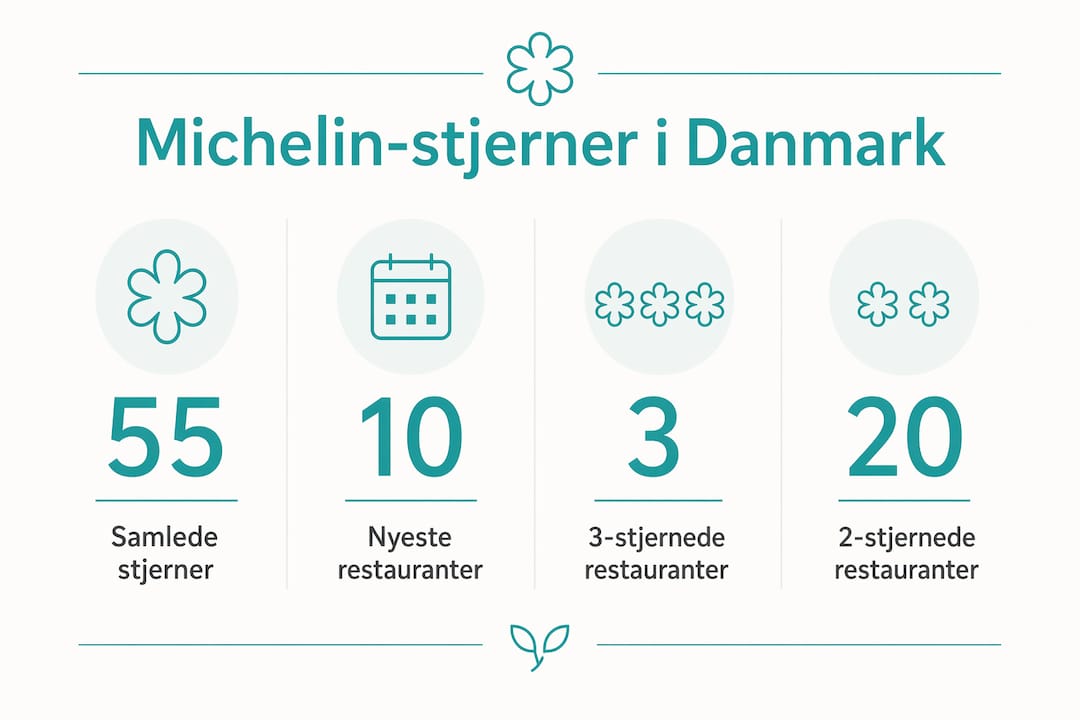
Culinary experiences are multisensory dining events where food, atmosphere, and craftsmanship blend together into something that goes far beyond nutrition. Denmark will be one of Europe's strongest gastrodestinations in 2026. 55 Michelin starsmore than a doubling in 10 years. What are culinary experiences when looking at the Danish food landscape? It ranges from a freshly baked Danish pastry at the local bakery to a seven-course menu with ingredients from Limfjorden. 41% of all tourists in Denmark chooses food and gastronomy as one of their main reasons for visiting. The number shows that food has become a destination in itself.
What are culinary experiences in Denmark?
Culinary experiences are defined as targeted encounters with food that engage the senses and carry a cultural story. It differs from an ordinary meal in that the context, ingredients, and craftsmanship are deliberately chosen to create a memorable experience. A culinary experience can take place at a Michelin restaurant in Copenhagen, at a hot dog stand on Strøget, or at a country table in Thy with locally produced cheese and rye bread.
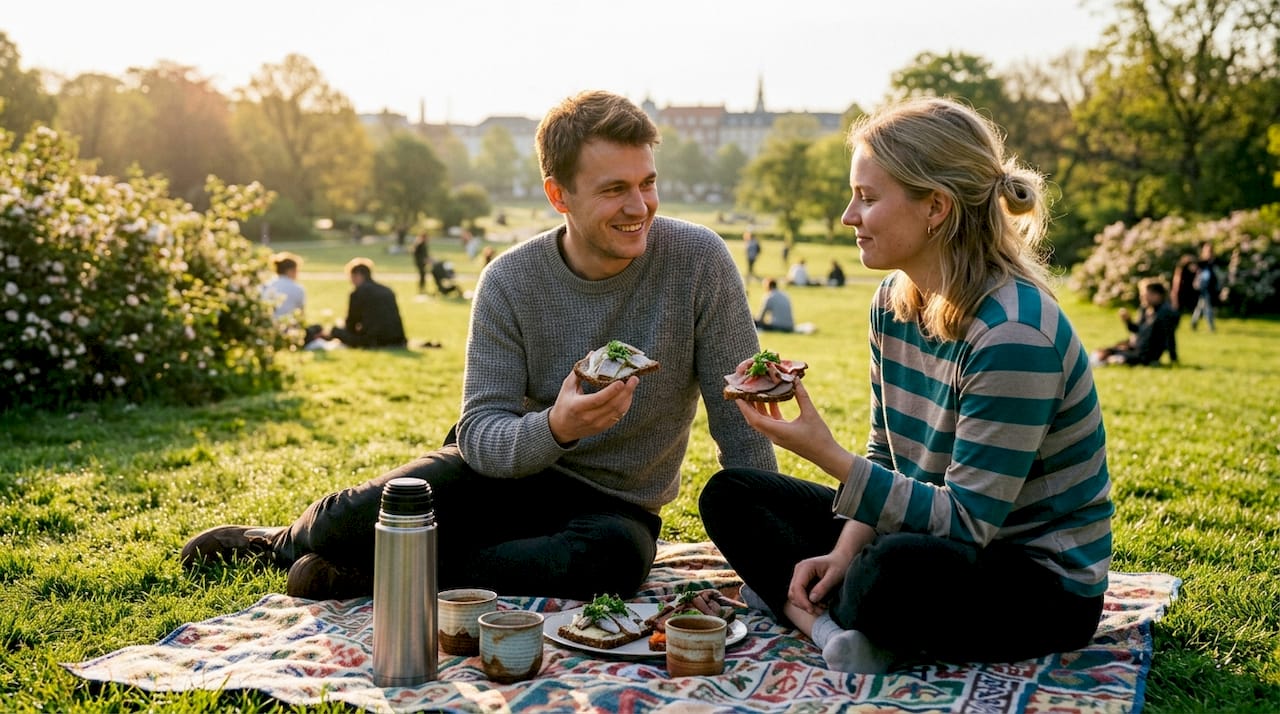
Danish food culture is diverse From fine dining to street food and local bakeries, and the meal is experienced as a cultural and social event rather than just nourishment. That means that gastronomy, which is the academic term for the study of the relationship between food and culture, is not reserved for expensive restaurants. Gastronomy is about understanding what food means for people and places.
Rejsidanmark gathers a wide range of local food experiences in Denmark In one place, so you can easily find experiences that suit your taste and budget.
How do food experiences in Denmark vary from gourmet to local community?
Denmark's food scene is not a single place. It is spread across the whole country and contains contradictions, all of which are genuine.
Fine dining and Michelin restaurants
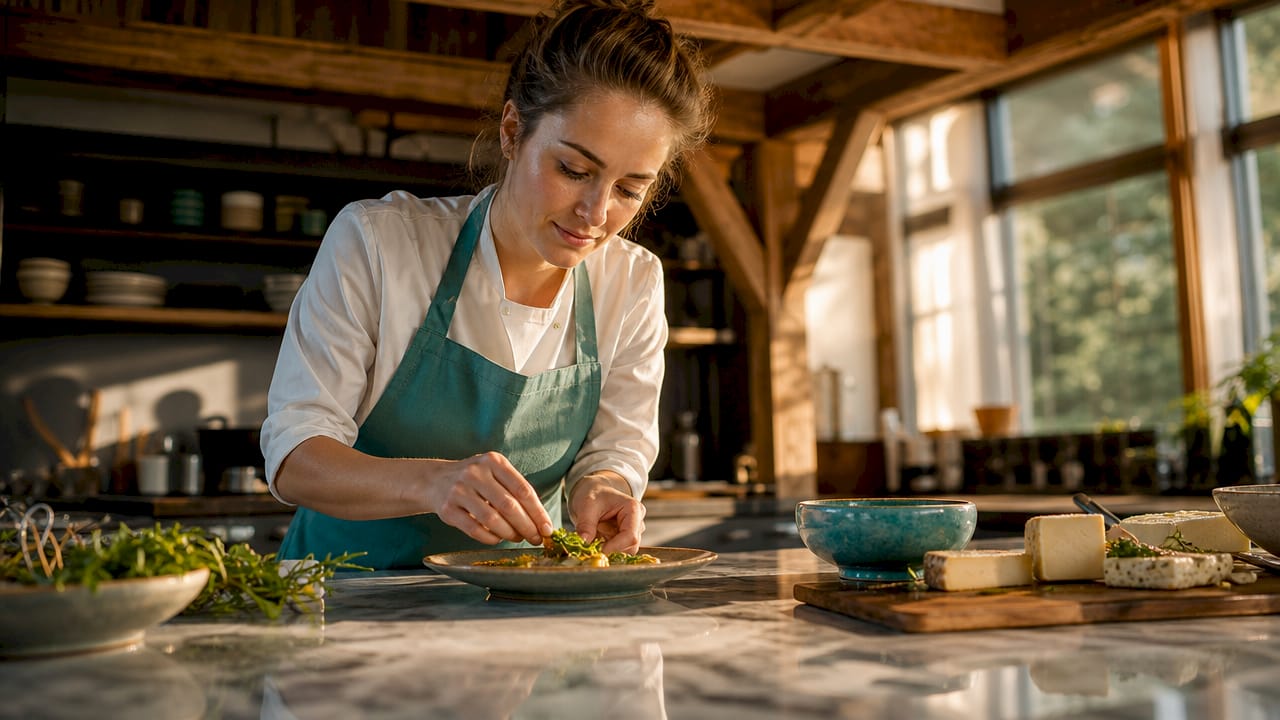
Restaurants with Michelin stars like Geranium and Alchemist in Copenhagen set the standard for what gastronomic journeys can entail. Here, skilled chefs work with seasonal ingredients, precise techniques, and stories that connect each element on the plate. A meal here is not just food. It is a choreographed experience that takes 3–5 hours.
Street food and urban environments
The quay at Refshaleøen and Torvehallerne in Copenhagen show that culinary adventures do not require a white tablecloth. Here, food lovers from all over the world gather around grilled squid, fermented vegetables, and hand-brewed coffee. The street food culture has grown significantly in Denmark and provides access to authentic taste experiences at a fraction of the price of a fine dining menu.
Local bakeries and producers
The Danish bakery is a cultural institute. A visit to a local bakery early in the morning, when the rye bread is still warm, is a culinary experience on its own terms. Local producers of cheese, beer, and vegetables create local raw material stories, that gives the food an identity that no supermarket product can copy.
- Michelin restaurants Skilled chefs focused on technique, seasonality, and storytelling
- Street food markets Available culinary adventures with global and local inspiration
- Local bakeries Authentic craftsmanship with rye bread, Danish pastry, and sourdough
- Farm sales and producers: Direct contact with the origin of the raw material and the producer behind it
- Mad festivals Meals with celebration and community, e.g., Copenhagen Food Festival
Professional tip: Visit a local bakery before the hour. 8.00. The rye bread is freshly baked, the queue is short, and you get an authentic Danish dining experience for under 30 kr.
What does experience design mean for a good meal?
Experience design in food It is about coordinating sensory stimuli, atmosphere, serving order, and interactivity into a cohesive experience. It's not a coincidence that a restaurant dims the lights when dessert is served, or that the music changes character in the middle of a meal. These choices are conscious and affect how you experience the food.
Experience restaurants in Denmark Combines food, atmosphere, service, and entertainment to create unique sensory meals. It's not just the most expensive restaurants. Even a simple meal can feel special when served with thoughtfulness and in the right context.
The five senses each play their own role in a successful meal:
- Taste It is the most obvious element, but the flavor is enhanced by all the other senses. A dish served at the wrong temperature tastes different, even though the recipe is identical.
- Syn It is the first impression. The presentation on the plate, the colors of the table, and the restaurant's decor set the expectation before you take the first bite.
- Fragrance Activates memory and appetite. The smell of freshly baked bread or a reduced stock can change the entire atmosphere of a room.
- Texture Gives depth to the flavor. The contrast between crispy and soft, creamy and firm, is what makes a meal interesting beyond just one bite.
- Sound It is the most underrated element. The sound of a crispy crust cracking or the subdued background noise in a restaurant affects your experience more than you think.
Professional tip: Read the menu before you arrive at an experience restaurant. It publishes online in many places. You get more out of each element when you know what's coming.
A guide to gas gastronomic experiences in Denmark can help you choose restaurants that consciously work with experience design.
Why are local ingredients the key to authentic experiences?
Local ingredients are not just a mark of quality. They are carriers of a history and a place's identity. A Limfjord oyster tastes of the water it grew in. A rye bread from Bornholm bears the mark of the island's grain and baking tradition. These details cannot be copied, and that is precisely what makes them culinary landmarks.
The ideal starting point for gastronomy is the understanding of the entire value chain from farm to table and the inclusion of local ingredients. It means that the best culinary experience begins long before the plate. It starts with the farmer, fisherman, or gardener who supplies the raw material.
| Raw material | Region | Culinary significance |
|---|---|---|
| Limfjord oysters | Northern Jutland | World-class mollusks with salty, mineral flavor |
| Bornholm smoked herring | Bornholm | Traditional craftsmanship with centuries of history |
| Southern Jutland red cabbage | Southern Jutland | Classic accessories with regional pride |
| Funen asparagus | Fine | Seasonal product with a short window and intense flavor |
| Lammefjord carrots | Odsherred | Sweet, firm carrots from uniquely low-lying land |
Authentic culinary experiences require the stories of the ingredients to be told. A generic food story says "local vegetables." A specific story says "carrots from Lamfjorden, harvested in October, grown in the former seabed." The difference is not just poetic. It gives the food a context that makes it memorable.
- Local ingredients create a connection between guest, place, and producer
- Seasonal raw materials ensure the best flavor and support local farmers
- Locally produced products cannot be replaced by imported alternatives
- The story behind the raw material transforms a meal into one culinary guide to the place itself
You can read more about regional specialties from all over Denmark and find inspiration for which raw materials define the different regions of the country.
How do food experiences create community and cultural value?
Mad is a social activity. It is not a coincidence that the most important events in life are marked with a meal. Weddings, birthdays, Christmas, and Easter bring people together at the table, and the food is the common reference point. Festive meals are not just food. They are rituals that affirm belonging and create memories.
Great experiences create memories, presence, and cultural value, and are closely associated with social gatherings and atmosphere.
Social and cultural significance of food experiences
Communal dining is one of the strongest social mechanisms we have. When you share a meal with others, you lower your defenses and open up to genuine conversation. That is why food festivals like Copenhagen Food Festival attract thousands of visitors every year. It's not just about the food. It's about being part of something bigger.
Danish food traditions connect generations and regions.
- Christmas party It is a ritual with fixed dishes, order, and social gathering over hours.
- Easter lunch repeats the structure with herring, eggs, and snaps as cultural markers
- Summer grilling It is informal, but just as ritualized with fixed roles and expectations.
- Autumn festivals In the countryside, the local community gathers around seasonal ingredients and collective work.
The food culture in Denmark is not static. It develops with new generations, new immigrants, and new raw materials. But the core, that food brings people together and creates a sense of belonging, remains unchanged. It is the deepest definition of what culinary experiences really are.
My assessment: Therefore, Danish food experiences are unique
I have visited many of Denmark's food places, from Michelin restaurants in Copenhagen to farm shops in Funen and fish smokehouses on Bornholm. What distinguishes the best experiences from the good is never just the food. It is the combination of food, place, and history.
The most memorable food experience I had in Denmark was not at a Michelin-starred restaurant. It was a simple lunch with smoked mackerel, rye bread, and beer at a fisherman in Gilleleje. There was only one mine. But the story behind it, the fisherman's tale of the morning catch and the weather, turned it into something unforgettable.
Danish food culture is diverse in a way that many underestimate. Cooking as craftsmanship and art form It is not reserved for trained chefs. It is available at the baker's, who starts at 4:00 in the morning, and at the farmstead, which knows exactly when the asparagus is ready for harvest. These people are Denmark's culinary backbone.
The advice is simple: Seek experiences that have a clear connection to the place. Ask where the raw materials come from. Choose the local bakery over the chain. Sit down and eat slowly. The best culinary adventures are not always found in a guide. They find you when you're curious enough to look beyond the obvious.
— Tommy
Plan your culinary journey with Rejsidanmark
Rejsidanmark gathers information about food experiences, sights, and activities throughout Denmark in one place. Whether you want to find a Michelin restaurant in Aarhus, a food festival in Funen, or a local bakery in Roskilde, the platform gives you an overview. You can filter by season, price, and age group, so you find what suits your trip perfectly. Read The role of guides in travel planning to understand how a good guide can elevate your experience from good to unforgettable. Rejsidanmark is the place you start when you want to make the most of your time in Denmark.
Frequently Asked Questions
What are culinary experiences in brief?
Culinary experiences are targeted encounters with food that engage the senses and carry a cultural story. It differs from an ordinary meal in that the context, ingredients, and craftsmanship are consciously chosen to create something memorable.
What is gastronomy, and how does it relate?
Gastronomy is the study of the relationship between food and culture. It is the academic term for what culinary experiences practice: understanding what food means for people, places, and communities.
How many Michelin stars does Denmark have in 2026?
Denmark has 55 Michelin stars in 2026, more than doubling in 10 years. This confirms the country's position as one of Europe's strongest gastronomic destinations.
What makes a food experience authentic?
An authentic culinary experience is based on local ingredients, a clear connection to the place, and a story that gives the food identity. Generic raw materials without context do not create the same experience as a meal with a specific and honest story behind it.
Why do tourists choose Denmark for food?
41% of all tourists in Denmark choose food and gastronomy as one of their main reasons for visiting. It is due to the combination of Michelin restaurants, street food, local producers, and strong food traditions, which together create a broad and authentic food culture.
Recommendation
- How gastronomic experiences make your trip to Denmark unforgettable – Travel in Denmark
- Experience the best local food experiences in Denmark – Travel in Denmark
- Discover Danish traditions: your guide to culture and experiences – Travel in Denmark
- 7 inspiring activities for culture enthusiasts in Denmark – Travel in Denmark