
A trip to Denmark only becomes truly exciting when you discover the possibilities in the country's botanical gardens. For travelers interested in nature and culture, these green oases open up a world of both science and experiences. Here you will find living museums where researchers work on plant conservation, and each garden has its own unique character. The article guides you to the most fascinating places and helps you make the most of your visit. Plant research and unique activities Make botanical gardens a must for every curious guest.
Botanical gardens and their primary purpose
Botanical gardens are much more than just beautiful green spaces – they are living laboratories for plant research and nature conservation Botanical Garden in Copenhagen represents an excellent example of these institutions' complex role in our ecosystem and scientific understanding.
Your primary purpose can be divided into three central dimensions:
- Scientific researchCollection, classification, and study of plant species
- Education and communicationPublic information about the diversity of the plant kingdom
- Nature ConservationProtection of endangered plant species and genetic resources
Botanical gardens serve as important hubs for plant conservation, where researchers systematically work to document, understand, and protect the Earth's plant heritage. Driving is not just passive observation, but active research-based nature management.
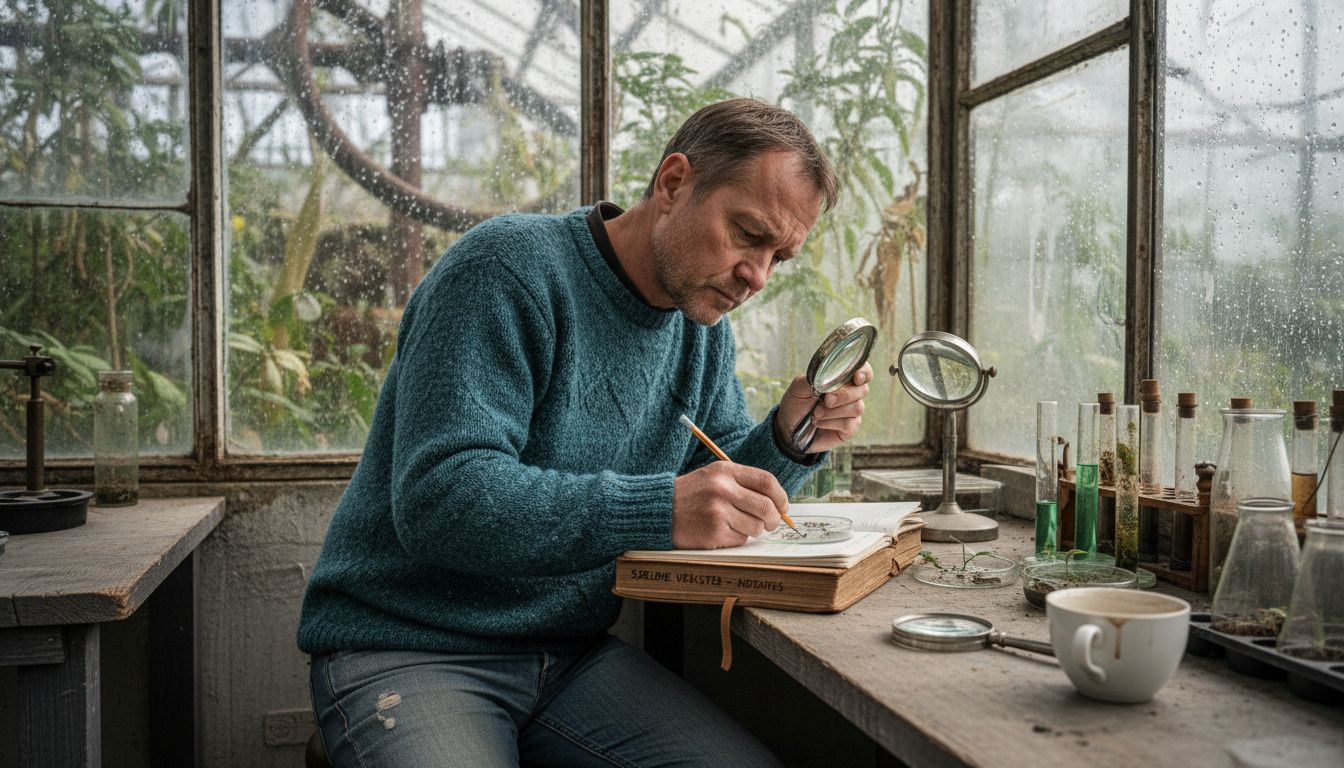
These gardens often collaborate internationally and exchange knowledge about rare plants, ecological systems, and conservation strategies. They constitute a global network dedicated to understanding and protecting our planet's biological diversity.
Pro-tip: Always visit a botanical garden with a curious and investigative attitude – incredible stories about nature are hidden here, waiting to be discovered.
Different types of botanical gardens in Denmark
Denmark contains a remarkable diversity of botanical gardens, each with its unique characteristics and specialties. From university to public gardens, these green oases offer various experiences and scientific perspectives.
The Agricultural College's Garden represents a university botanical garden with an impressive research profile, where more than 6,000 plant species form the basis for scientific exploration. These are typically categorized into the following main types:
- University Botanical GardensFocused on research and education
- Public botanical gardensAvailable to all citizens
- Specialized plant gardensDedicated to specific plant families or ecosystems
- Scientific research harborsHigh academic and systematic approach
The difference between these gardens mainly lies in their primary purpose and accessibility. University botanical gardens like the Landbohøjskolen are typically more closed and research-oriented, while public gardens invite a broader audience to explore the plant world.
Here is a quick overview of the main differences between Danish botanical gardens:
| Type | Primarily audience | Access conditions | Research level |
|---|---|---|---|
| University Botanical Garden | Students, researchers | Limited access, often recorded | High-level, specialized research |
| Public Botanical Park | All citizens | Open, public access | Fundamental, mediating |
| Specialized plant garden | Botanical experts, niche enthusiasts | Partially open, often special ticket | Targeted, focused research |
| Scientific research garden | Researchers, students | Limited, controlled access | Very systematic and methodical |
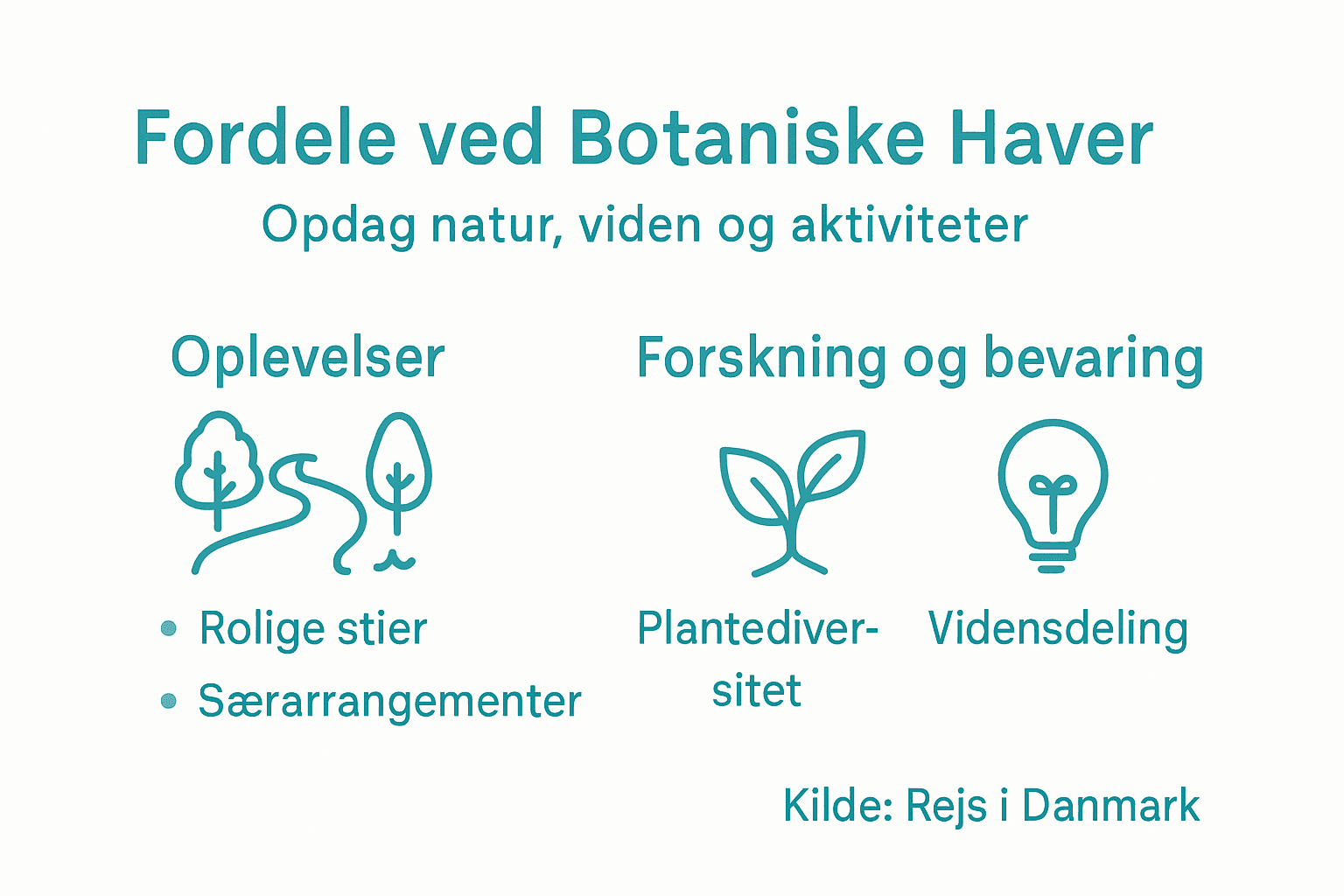
The Danish botanical gardens play a crucial role in the conservation of plant diversity, international research networks, and public education about ecological systems. They function as living museums, where each plant tells a unique story of evolution, ecology, and biological diversity.
Pro-tip: Plan your visit to a botanical garden without stress and with open curiosity – the smallest details can often be the most fascinating.
Unique experiences and activities for visitors
Botanical gardens in Denmark are much more than just passive displays of plants. They offer a wealth of interactive and educational experiences for visitors of all ages who wish to explore the diversity of nature in an engaging way.
Geographical Garden in Kolding represents an excellent example of a dynamic botanical experience with its many activity options. Some of the most exciting activities for visitors include:
- Thematic plant areasExploration journeys through different ecosystems
- Interactive learning stationsPractical teaching about the plant world
- Seasonal eventsPlant markets, festivals, and special events
- Child-friendly facilitiesPlaygrounds and discovery zones
The botanical gardens also offer special events that make each visit unique. Historical events Like a birdhouse, treasure hunts in greenhouses, and stalls with rare plants create memorable experiences for the whole family.
These gardens function as living museums, where visitors not only observe but actively participate in the world of nature. From guided tours to independent explorations with experience backpacks, the botanical gardens offer something for every interest and age.
Pro-tip: Bring a camera and the children's curiosity – the smallest details can often create the greatest experiences in a botanical garden.
Botanical gardens as knowledge and research centers
Botanical gardens are much more than just green spaces – they are complex. scientific ecosystems Dedicated to research, preservation, and education. These institutions represent critical nodes in our understanding of the role of plants in nature.
The Botanical Garden in Copenhagen functions as an excellent example of a modern research center with international standards. Their primary research areas include:
- Plant preservationDocumentation and protection of rare species
- Genetic researchStudies on the evolution and adaptability of plants
- Organic investigationAnalysis of how planters interact with their environment
- Biodiversity mappingSystematic recording of plant diversity
These institutions not only conduct research but also serve as important national knowledge banksThey create connections between academic research, nature conservation, and public understanding through their diverse activities.
Internationally recognized accreditations, such as that from Botanic Gardens Conservation International, emphasize the crucial role these oceans play in global plant conservation and scientific exploration. They represent living laboratories, where each plant tells a unique story about the complexity of nature.
Pro-tip: Book a tour with a researcher to gain the deepest insights into the scientific world of botanical gardens.
Practical conditions, entrance, and safety rules
Visiting Danish botanical gardens requires knowledge of practical details and respect for the specific local rules. Every ocean has its own. unique access conditions and guidelines that ensure optimal protection of the rare plant collections.
The Geographic Garden illustrates typical practical conditions for botanical gardens. The central aspects include:
- Opening hoursTypically from 10 AM to 4 PM every day of the week
- Entry ticketsVariable prices for adults, children, and groups
- Annual passFavorable opportunities for frequent visitors
- Special arrangementsEvents with special access requirements
The safety rules in Danish botanical gardens are designed to protect both visitors and the delicate plant collections. The main guidelines include prohibitions against:
- Enter protected plant areas
- Collect plants or seeds
- Bring pets (except guide dogs)
- Disturb animal and plant life
These rules ensure a harmonious experience for all visitors and preserve the garden's ecological balance. Some specific areas, such as exclusive greenhouses, may require separate tickets or have additional restrictions.
Pro-tip: Always check the garden's website before your visit for current rules and any temporary changes in access conditions.
Advantages and economic aspects of the visit
Botanical gardens represent much more than just recreational areas – they are complex ecosystems with significant social and personal benefits. They offer a unique combination of education, recreation, and economic value for the local community.
Botanical gardens support local tourism through a series of significant aspects. The economic benefits include:
- Increased tourismAttracting national and international visitors
- Job creationHiring of local guides, gardeners, and researchers
- Cultural valueStrengthening the attractiveness and identity of the place
- Research investmentsAttraction of educational and research support
In addition to the economic aspects, these gardens offer invaluable personal benefits. They function as green oases that promote mental health, learning, and connection to natureVisitors will have the opportunity to:
Here you can compare how botanical gardens contribute to both society and personal development:
| Advantage | Social impact | Personal gain |
|---|---|---|
| Tourism | Increases local visitor revenue | Opportunity for new experiences |
| Job creation | Hiring local experts | Better guidance during the visit |
| Mental health | Reduces the city's stress level | Creates peace and well-being |
| Education | Increases environmental awareness in the population | Learning about plants and biodiversity |
- Improve mental well-being
- Learn about biodiversity
- Experience calm, green environments
- Participate in educational activities
The botanical gardens also contribute to sustainable urban development by creating green spaces, preserving rare plant species, and increasing the population's environmental awareness. They represent living laboratories that connect science, education, and nature conservation.
Pro-tip: Consider buying an annual pass if you plan to visit multiple times – it can be a financially sensible investment.
Discover Denmark's Botanical Gardens with Help from Rejs in Denmark
Finding the perfect botanical gardens in Denmark can be challenging when you want a deeper understanding of plants and nature conservation while also having an inspiring experience for the whole family. The article emphasizes the need for good information about botanical gardens as both research centers and green oases filled with unique experiences. Many desire practical knowledge about access conditions, special activities, and financial benefits of visits, which is why it can be difficult to grasp all the possibilities.
Hos Travel in Denmark We make it easier for you to plan your botanical garden visit. We offer a comprehensive platform with detailed descriptions of attractions including botanical gardens. Our search function and filters help you find exactly the gardens that match your interests and needs. Explore our Uncategorized Archive – Travel in Denmark to get tips for exciting experiences or see our Slider Archive – Travel in Denmark for current recommendations.
Schedule your next visit and make the most of Denmark's beautiful botanical gardens with the help of our expert guide. Visit Travel in Denmark today and start planning your next nature adventure filled with learning, tranquility, and experiences for all ages.
Frequently Asked Questions
What are the main purposes of botanical gardens?
Botanical gardens have three primary purposes: scientific research, education about the diversity of the plant kingdom, and conservation of endangered plant species.
What types of botanical gardens are there in Denmark?
Denmark has various types of botanical gardens, including university botanical gardens, public botanical parks, specialized plant gardens, and scientific research gardens, each with its unique characteristics.
What activities can you participate in when visiting a botanical garden?
Visitors can participate in a variety of activities, including themed plant areas, interactive learning stations, seasonal events, and child-friendly facilities that promote an engaging experience.
What are the practical considerations when visiting botanical gardens?
Practical arrangements include opening hours, entrance tickets, annual passes, and safety rules that visitors must follow to protect both themselves and the delicate plant collections.
Recommendation
- What are botanical gardens – Experiences and knowledge in Denmark – Travel in Denmark
- What Do Attractions Mean for Your Experience – Travel in Denmark
- Understand Hiking Guide Denmark: Experience Nature – Travel in Denmark
- Danish national parks – The way to family experiences – Travel in Denmark
- 7 outdoor autumn activities for children to discover nature – The Zoofamily