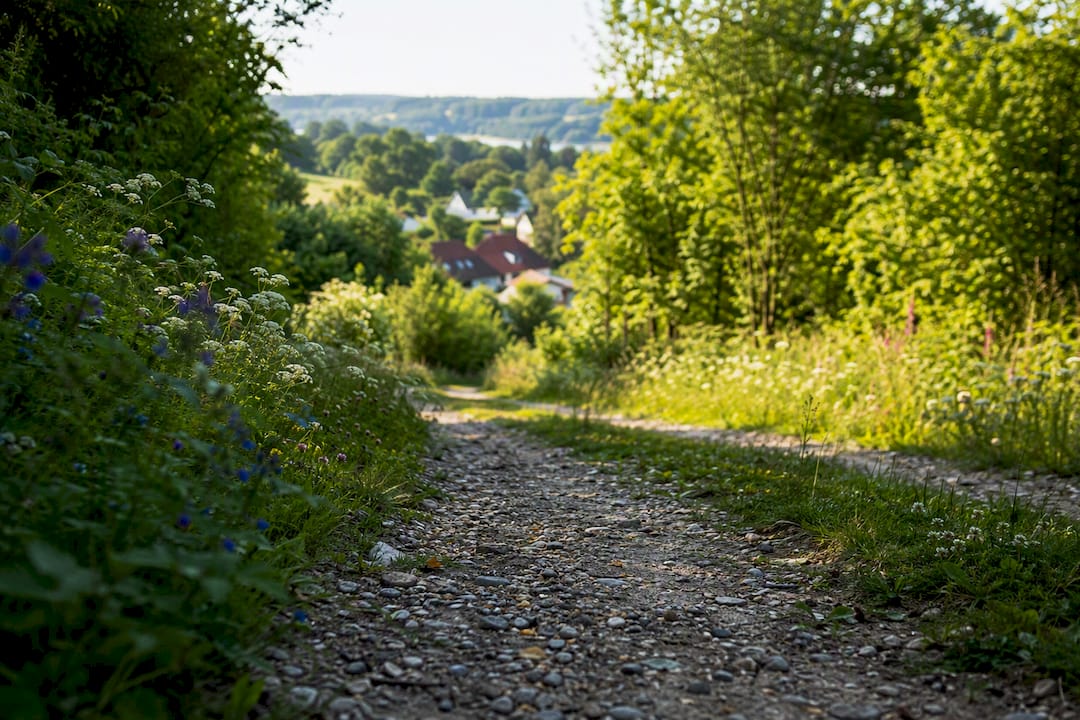
A hiking holiday provides measurable physical exercise, significant stress reduction, and close contact with the nature around you. That's why it's one of the most effective choices you can make if you want to strengthen both body and mind on the same trip. Walks in nature lower the cortisol level by an average of 33 percent, and ART theory explains why your brain finds peace in the slow rhythm of nature. Specifically, you get: gentle exercise without the requirement of top condition, mental detachment from screens and deadlines, experiences you don't get sitting on a bus, and often the camaraderie of a group moving at the same pace as you.
Why choose a hiking holiday: the main reasons
The benefits of hiking holidays are not just about steps and kilometers. They simultaneously impact physical health, mental well-being, and social bonds, and they do so without the equipment or planning required for a diving holiday or a ski trip.
-
Physical health without strenuous exertion. Cycling is one of the gentlest forms of conditioning, and you train balance and endurance at the same time. Research from the University of Copenhagen shows that the heart rate normalizes faster after outdoor exercise than after the same exercise in the city or at a fitness center.
-
Measurable mental recharging. Stress does not only fall on an emotional level. The study about naturally and cortisol found that a 33% decrease is amplified if you actively notice bird song along the way, rather than just walking with headphones on.
-
Authentic experiences at your own pace. You experience a landscape slowly enough to see the details, unlike car rides where most of it passes by as background.
-
Community in smaller groups. Many hiking trips take place in groups of five to ten people, where conversations naturally arise over several hours, at a pace where you actually listen.
-
Easy access barrier. You don't need expensive equipment or a car. Most Danish and European hiking trails can be reached by train or bus if you plan the connections well in advance.
-
Motivation, that holds. DR has covered research, which shows that participants are more eager to repeat walks in nature than indoor training. According to researcher Stefano De Dominicis, it is due to the fact that changing surfaces and views challenge the senses and balance in a way that no treadmill can match.
Cortisol decreases by 33 percent after a walk in nature, and the effect is significantly enhanced if you consciously listen to the birdsong along the way rather than just walking through the landscape without noticing it.
Myths about hiking vacations you can forget
Many people skip hiking trips for reasons that simply don't hold up upon inspection.
- You must be in top conditionIncorrect. Even a 30-minute walk in nature provides measurable improvements in stress and well-being. Start with short day trips and gradually build up.
- It's an expensive way to vacation.Only if you choose the expensive track. Camping, hostels, and local B&Bs make a week-long hiking holiday cheaper than most city trips.
- It will be boringA misunderstanding based on flat, monotonous terrain. The change between forest, coast, and hills varies the experience from day to day.
- Practical solutionDivide the route into difficulty levels, include a rest day every third day, and have an alternative route ready in case the weather changes.
How to plan your hiking vacation in practice
A hiking holiday requires less logistics than most types of vacations, but the right preparations determine whether the trip will be a highlight or an exercise in endurance.
- Transport first. Check train and bus connections early. It reduces both the climate footprint and the risk of being left without a solution if plans change.
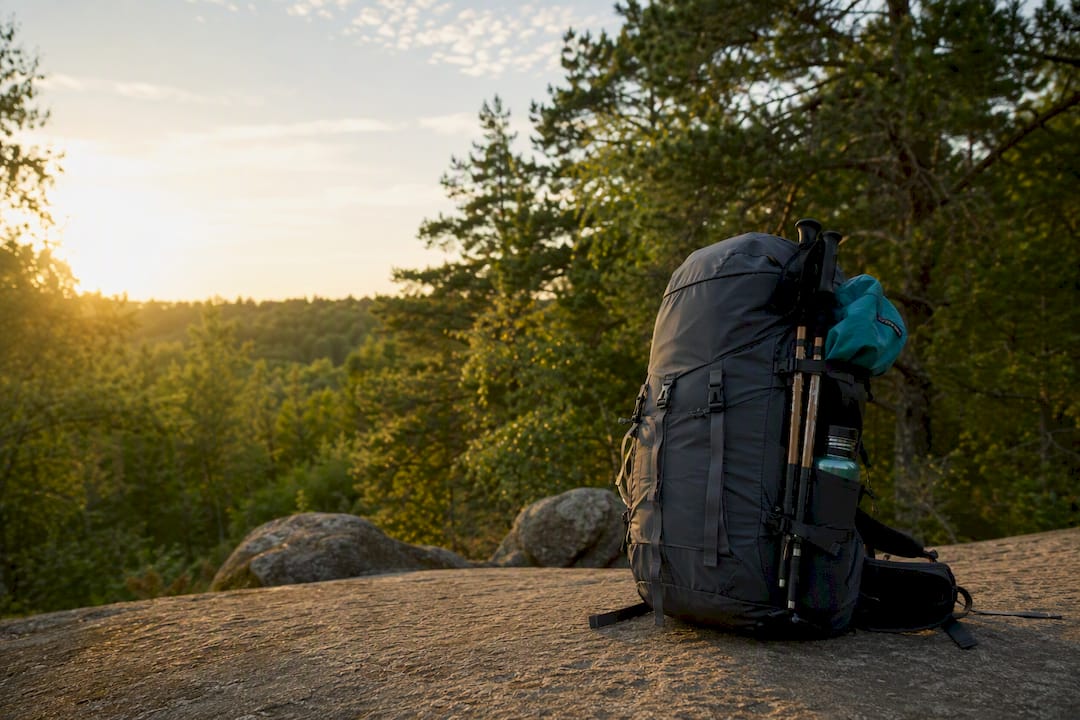
- Pak i lag. Follow the layer-by-layer principle, choose wool socks to avoid blisters, and keep the backpack as light as possible. Water and a small first aid kit always come with it.
- Choose realistic distances. Calculate daily stages based on terrain, not just kilometers, and always have an alternative route ready for bad weather.
- Consider the accommodation type. Camping offers freedom, while local B&Bs often support the local area and give you a better insight into the place you are visiting.
- Check the safety. Good footing, an updated weather forecast, and a number for the local emergency center or hiking group should always be in place before departure.
Professional tip: Plan your route so that the shortest leg is on the day you arrive by train or bus. Then the trip begins without time pressure, even if the travel plan slips by an hour or two.
Short checklist: transport confirmed, backpack weighed, route and alternative route ready, weather forecast checked, accommodation confirmed.
Sustainability: the greener way to vacation
A hiking holiday typically has a lower carbon footprint than a traditional car holiday or a flight holiday because the activity itself (walking) does not emit anything at all. The crucial thing is how you get to the starting point. Travel medicineA hiking holiday can significantly reduce your carbon footprint if you use the train or bus instead of a car, and walk between accommodations instead of being driven.
Concrete choices that make the trip greener:
- Go to the starting point instead of driving.
- Stay overnight and eat locally to support the area you're passing through.
- Pak let, så du ikke fristes til at tage bilen på grund af tung bagage.
- Book train and bus tickets early; it offers better prices and fewer cancellations to plan around.
How Rejs i Danmark uses your route plans
Travel in Denmark gathers route suggestions, prices, and natural features on an interactive map where you can filter by season, difficulty level, and price per person. It makes it easier to plan a realistic hiking vacation without having to browse multiple sites.
- Use the short filters to find routes that match your fitness level and the time you have available.
- If Examples of Danish hiking trails, ranging from short coastal trails to multi-day stages.
- Learn more about how to read and use Journey in Denmark's water guide, before you finalize the route.
Professional tip: Send screen captures or print out your gem suggestions and prices before you travel. In many places, mobile coverage is weak in forests and along coastlines.
History and culture along the hiking trail
A hiking holiday is rarely just nature. Most Danish and European hiking trails pass by old churches, manor houses, fortresses, or fishing villages that tell something about the place's history. It gives the trip an extra dimension that you don't get if you only drive by in a car.
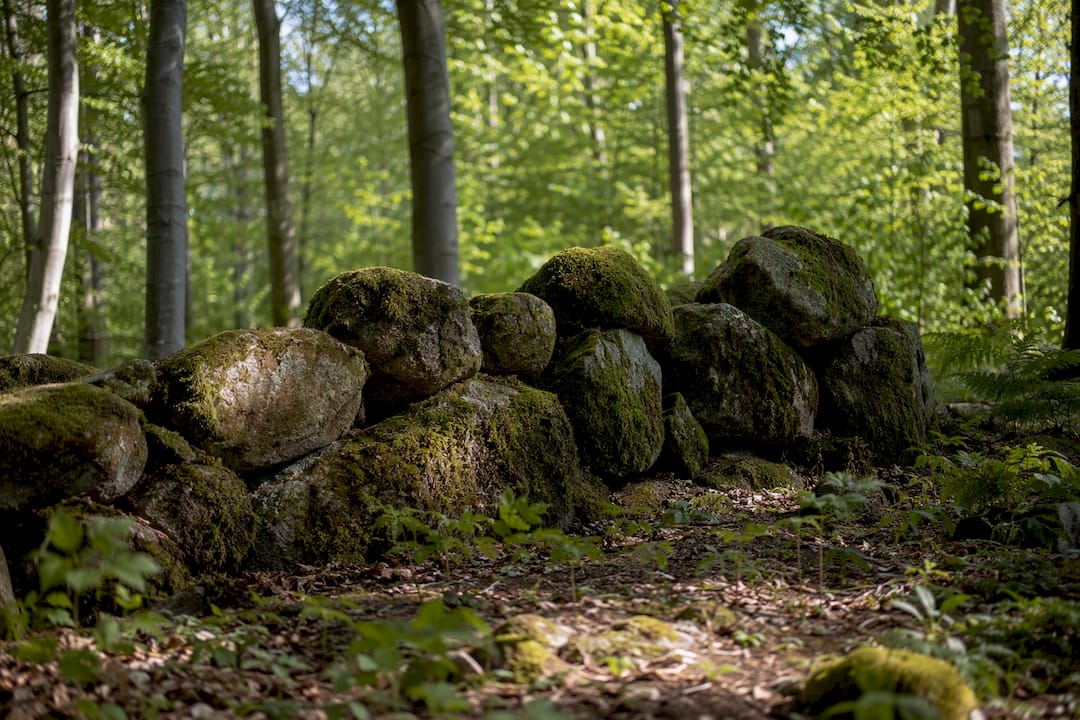
If you walk along the Jutland west coast, you pass old rescue stations and lighthouses that testify to a tough coastal life. If you walk through ancient forests on Zealand, you often encounter remains of ancient mounds or stone walls that have stood for centuries. This form of cultural encounter does not require a museum visit. It happens along the way, at the pace you set yourself.
Many hikers plan their routes around a historical theme, such as a pilgrimage route or an ancient trade route, and use the trip to understand the area in a way that a car holiday would never allow. It is one of the rare holiday types where exercise, nature, and cultural history meet in the same step.
Try a short hiking trip first
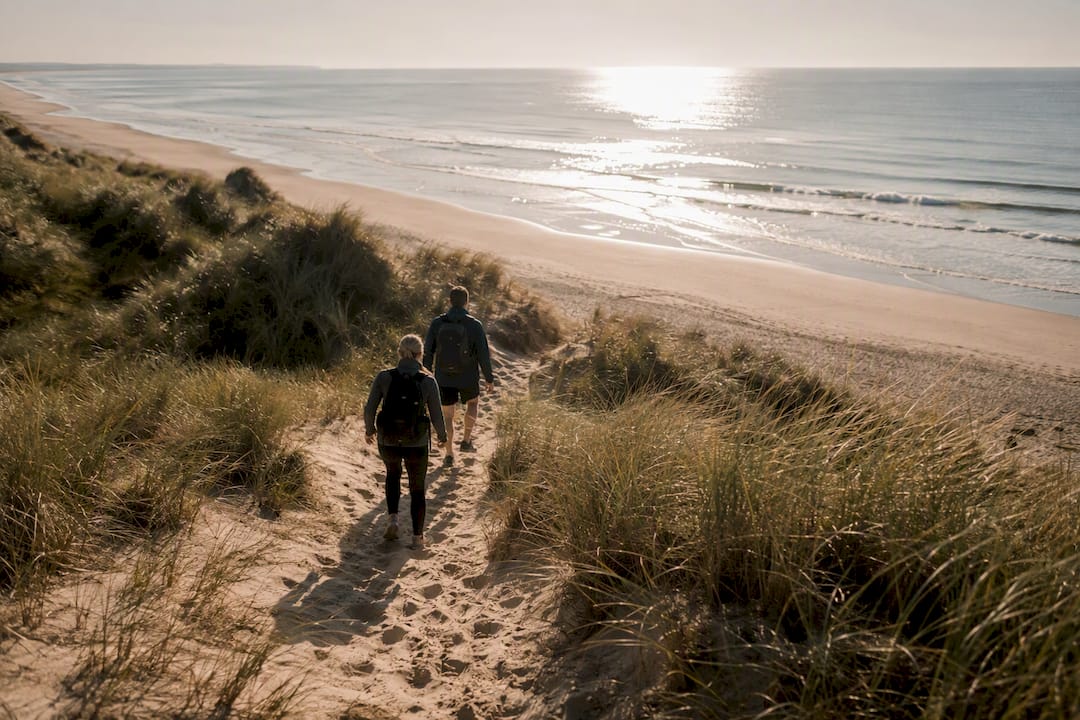
Start small if you're in doubt. A weekend trip along a stretch of coast or through a forest near you is enough to feel the difference in body and mood. Danish routes along the Jutland west coast or forest areas on Zealand are good starting points because the terrain is manageable and transportation is simple.
Use a checklist before you travel so you don't end up with forgotten items at the starting point. It's the easiest way to remove the worst nervousness before a hiking trip.
Your next trip starts with a plan, not a guess
You now have the reasons to go on a hiking holiday. The next step is to make the plan concrete so that the trip actually becomes something. Journey in Denmark's planning guide Collects route suggestions, transportation options, and a printable checklist in one place so you don't have to browse five different pages to get an overview.
The guide is designed so you can save or print it, carry it in your pocket, and use the interactive map to adjust the route if the weather or your condition requires it. It is the logical starting point, whether you are planning a weekend trip or a week-long hike. Open the planning guide now and make your checklist before booking the transportation.
Sources
- Motion in nature is superior to the city and the fitness center – University of Copenhagen
- Shhh! Try to notice the bird songs in nature – a study shows why
- Travel medicine
- New study: Exercise in nature is superior to the city and the fitness center | DR
Recommendation
- Why holidays by lakes strengthen family life – Travel in Denmark
- Experience nature adventures: Inspiration and well-being in Danish nature – Travel in Denmark
- Why choose nature trips: benefits for body and mind – Travel in Denmark
- The role of nature in everyday life: 40% better mood and less stress – Travel in Denmark