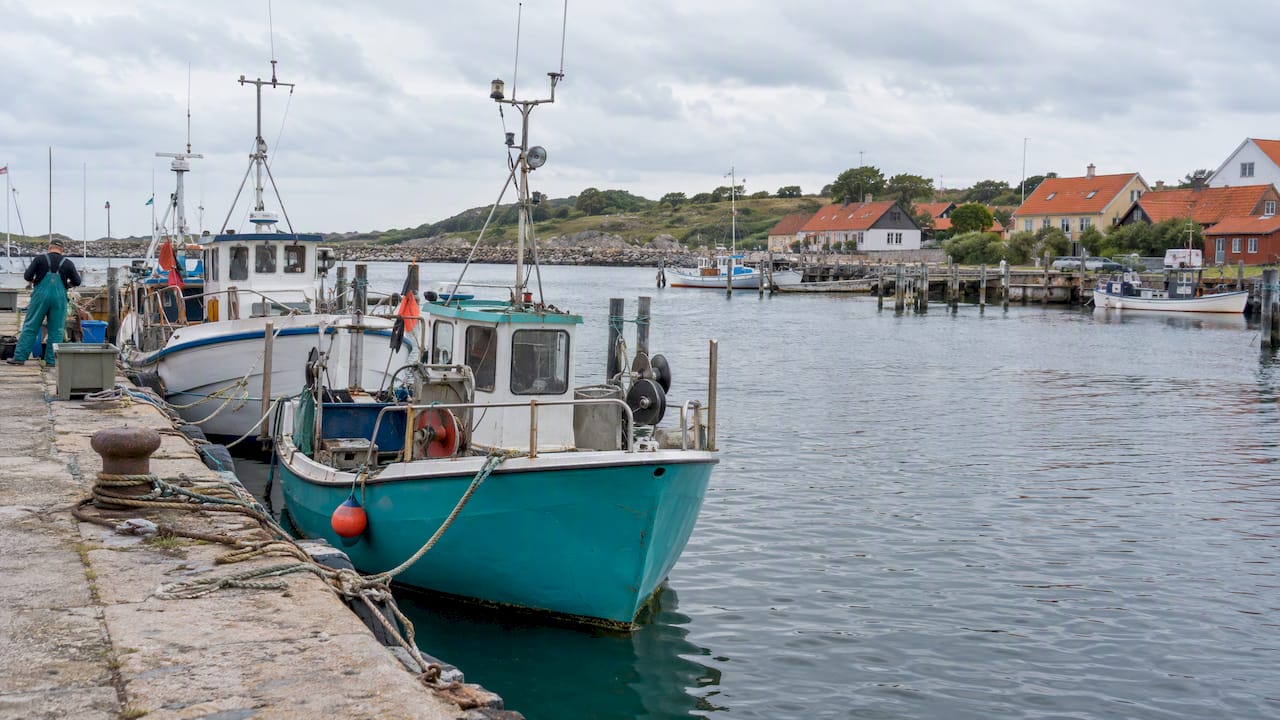
Choose the Danish islands because they combine unique nature, vibrant local communities, and authentic experiences in a way that the mainland rarely can match. On a single island, you can experience the tidal landscape of the Wadden Sea, cycle through peaceful villages, and feel a community where neighbors know each other. It's not just a matter of beautiful views, but of a choice between speed and tranquility. Below, we review what specifically makes the Danish islands a destination you should consider.
Quick overview: five advantages of the islands
There are several good reasons why the islands stand out as a travel destination, both for nature lovers and for those looking for something other than the classic city holiday:
- You come close to natural types that are not found anywhere else in the country, including tidal zones and cliff coasts.
- You encounter a closer social community and a local culture that still builds on maritime traditions.
- You get peace and the opportunity to disconnect from a pace that otherwise follows you on the mainland.
- You experience activities that often only make sense in a lowland landscape, such as tide pool safaris and birdwatching.
- You can support local, sustainable development by choosing local guides and accommodations.
These five points are repeated throughout the rest of the article, where we elaborate on each one.
Nature and landscape: special value for nature lovers
The islands' nature ranges from wide sandy beaches to high cliffs and open tidal flats. The variation means that you can experience multiple types of landscapes within a short drive or bike ride, which is rarely possible in the same place on the mainland.
The Wadden Sea is the clearest example of this particular nature. The area is partially designated as UNESCO World Natural Heritage, and this makes tidal experiences particularly valuable: large areas are exposed at low tide, and millions of migratory birds rest in the area every year. The designation serves as a quality marker for visitors who want to experience a natural system on a large scale, not just a nice beach.
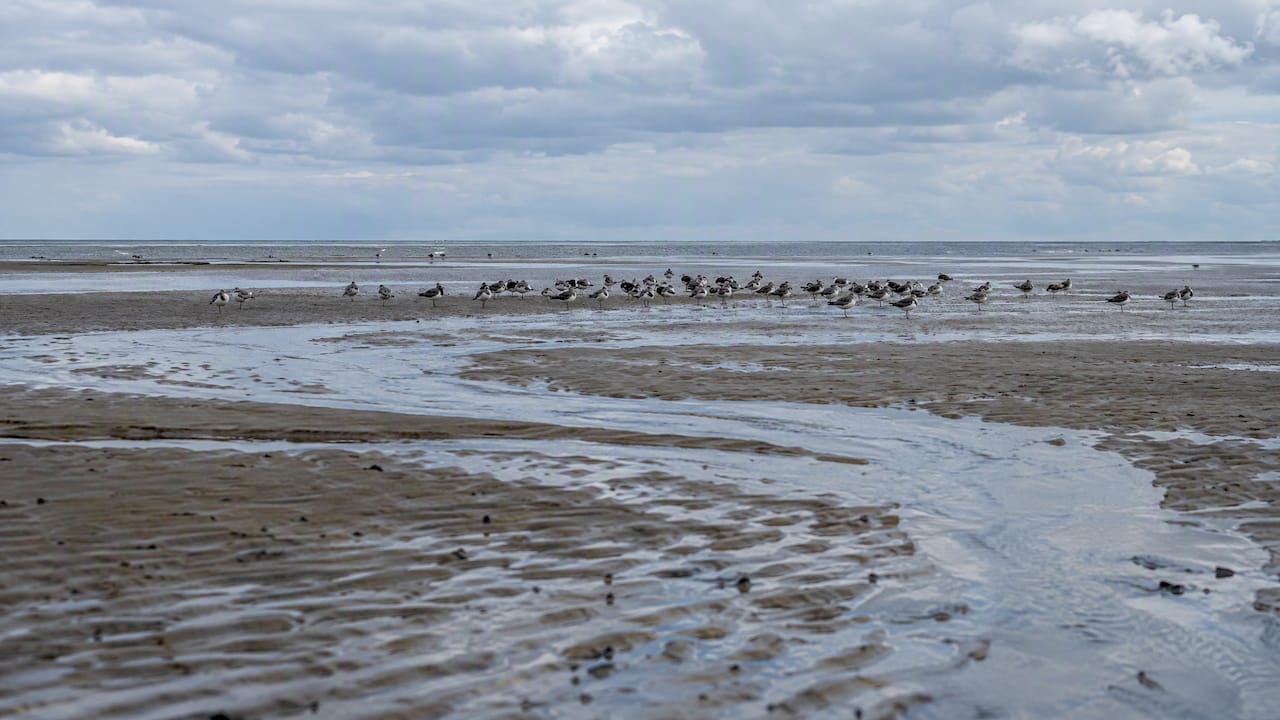
In practice, this means you can go hiking along cliffs, join a guided tidewater safari, or sit quietly with binoculars and wait for migratory birds. Bike paths along the coasts also provide a different kind of nature experience, where the landscape changes character from dune to meadow to forest over a short distance.
Many visitors feel that the nature on an island feels different from that on the mainland. The light is more open, the horizon moves closer, and the air bears a clearer mark of sea and wind. It's hard to put a number on it, but it's often the experience people remember most after returning home.
Culture and local community: the social core of island life
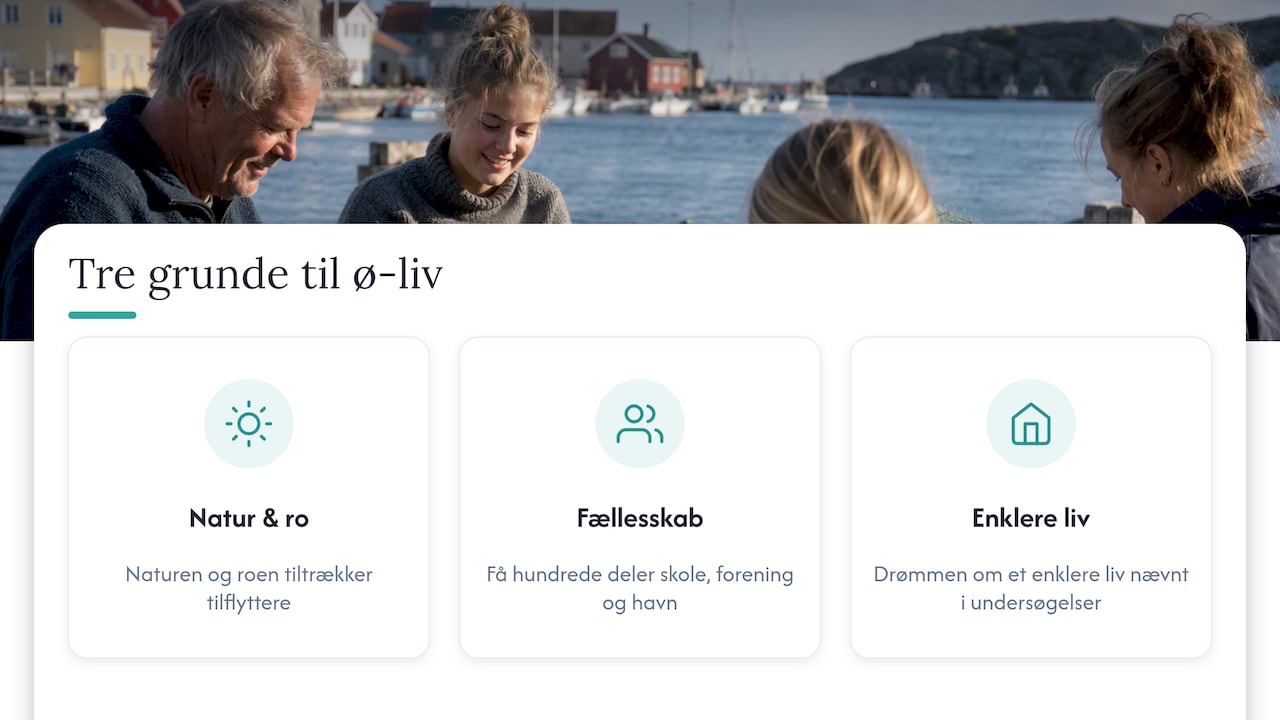
A Danish island is often a mini-community where a few hundred people share school, associations, and a harbor. The structure creates a sense of closeness that larger cities rarely can offer, and it is felt clearly when you visit as a guest.
Move-in and move-out surveys indicate three main reasons why people choose island life: nature and tranquility, the desire for community, and the dream of a simpler life. The same qualities are often what visitors themselves notice during a short stay.
A good example is The Archipelago's Smakke and Nature Center On Strynø, where approximately 200 inhabitants promote local nature and boat culture through maritime traditions such as the smakkejollen. Such centers show how cultural heritage and everyday life are connected on an island.
If you want to meet the local community respectfully, it is a good idea to visit the harbor, participate in a local event, or shop at the small stores rather than just passing through. It provides a more genuine connection than a pure sightseeing visit.
Experiences and activities: concrete inspiration for your trip
When planning the days on a Danish island, there are a handful of activities that repeatedly stand out as the most obvious:
- Cycling along coastal paths where the landscape shifts between beach, meadow, and forest.
- Kayak or SUP in sheltered waters, suitable for both beginners and experienced paddlers.
- Boat trips to neighboring islands or around the island, often with local skippers.
- Fishing from the coast or boat, for which many islands have good conditions.
- Beach life and relaxation, where you avoid crowds compared to the large seaside towns.
The season influences what makes the most sense. Spring and autumn offer bird migration, while summer has local festivals and the long daylight that makes the evenings special. Preferably choose local guides and small suppliers over large chains: it often provides a more personal experience, and the money stays within the local community. Book popular activities such as boat trips well in advance during the high season, and prioritize one or two experiences rather than trying to fit too much into one day.
Sustainability and local development: what projects like Nurturing Nature mean
Regenerative tourism is about giving back to a place, not just minimizing harm. In practice, this means that experiences are designed to help restore nature or support local welfare, rather than merely avoiding worsening the situation.
Nurturing Nature It is a concrete example from the South Funen Archipelago, where the project works to develop restorative, locally rooted experiences and train local facilitators. In the same spirit, ReTour will run from 2024 to 2027 with pilot activities such as seaweed cultivation and cultural heritage initiatives in the South East Baltic.
As a visitor, you can contribute by:
- Choose experiences that are developed or driven by local actors
- Use your economy locally, including through accommodation and food.
- Give special consideration in vulnerable natural areas, especially during breeding season and bird migration.
There is a real tension between tourist pressure and local well-being, and between nature conservation and the desire for green development, as described in a Position paper on Danish island communitiesIt is a reminder that your behavior as a guest matters, even on a small island.
Professional tip: Always ask locally whether a natural area can withstand visitors at the time you plan to come, especially during bird migration or breeding season.
Practical considerations: transportation, season, and accommodation
Before you leave, there are some practical choices that will make the trip easier:
- Book ferries and cruise ships well in advance, especially during the high season, as departures may be limited.
- Choose summer for swimming and festivals, spring and autumn for bird migration and quieter trails.
- Consider accommodation such as camping, B&B, summer house, or a local inn depending on the budget and The desire to live close by on Gotland and proximity to nature
- Pack for changing weather: windbreaker, good shoes, and sun protection are essential regardless of the season.
This Guide to island vacation in Denmark can help you further with more practical details if you want to plan the trip in detail.
Forfatterperspektiv: personlig anbefaling og opfordring
What makes an island visit special is often not the one big attraction, but the sum of small things: a conversation at the harbor, the sound of seagulls, a bike ride without car noise. I clearly remember an early morning on a tidal flat, where the horizon disappeared into the fog, and there was no one else but me and the birds. Try a short weekend trip to a single island before planning a longer journey. It gives a sense of whether the pace suits you.
— Tommy
Travel in Denmark: practical help to plan your island trip
We gather inspiration and information so you can plan your island trip without spending hours searching for information. Use our Checklist for Denmark trip to get the packing and booking sorted before you leave, or search directly in our Overview of experiences to find specific activities on the island you have chosen.
Frequently Asked Questions
Why is the Wadden Sea special for visitors to Danish islands?
The Wadden Sea is partially designated as UNESCO World Natural Heritage, making it a natural area of international significance. The tidal flats are exposed at low tide, and the area attracts large numbers of migratory birds, making tidewater safaris one of the most recommended activities.
What is regenerative tourism on Danish islands?
Regenerative tourism means designing experiences to give back to the place, for example by restoring nature or supporting local well-being. Projects such as Nurturing Nature and ReTour work specifically with that approach in the South Funen Archipelago and South East Baltic.
When is the best time to visit a Danish island?
Summer is perfect for swimming, cycling trips, and local festivals, while spring and autumn offer bird migration and quieter trails. The choice depends on whether you prioritize active outdoor activities or nature at a more leisurely pace.
What makes small island communities unique compared to cities?
The Danish small islands often function as mini-communities, where nature communication, maritime traditions, and community go hand in hand, as seen at the Archipelago's Smakke and Nature Center on Strynø. Move-in and move-out surveys point to nature, community, and a simpler life as the main reasons why people choose that particular way of life.
How do I plan transportation to a Danish island?
Ferries and passenger boats are the primary access routes to most islands, and it is recommended to book well in advance during the high season. You can find more practical details in our guide to island holidays in Denmark.
Sources
- Nurturing Nature project launches to promote regenerative tourism in South Funen and Baltic coast
- World Natural Heritage Wadden Sea
- Øhavets Smakke- og Naturcenter (ØSN) – European Youth Portal
- Position Paper: Supporting Denmark’s island communities in the green transition