TL;DR:
- Denmark has a wide range of cultural heritage sites, including protected buildings, UNESCO sites, and historic cultural environments.
- Cultural heritage sites include both physical structures and intangible elements, and their preservation requires active efforts from authorities and citizens.
- The exploration of both known and hidden places provides a deeper understanding of Denmark's history and cultural heritage.
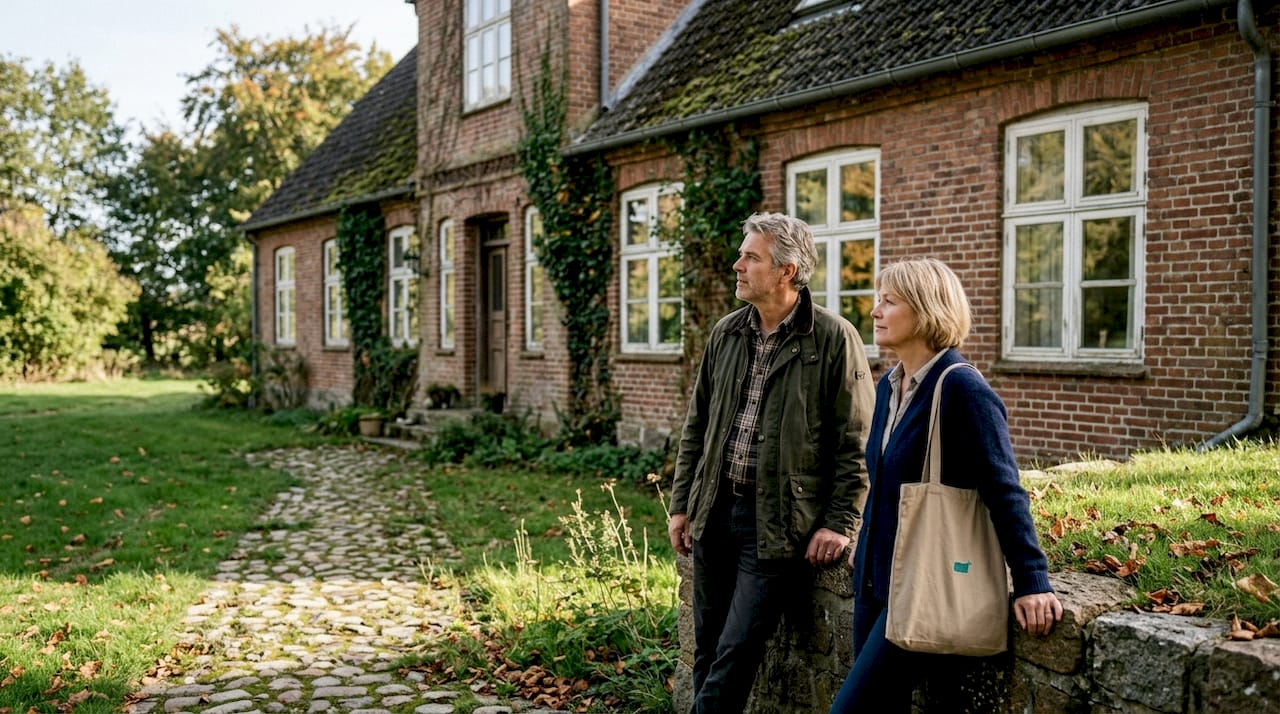
Denmark hides far more historical treasures than most expect. Cultural heritage sites are places of historical, cultural, or architectural significance., including protected buildings, UNESCO World Heritage sites, and national cultural environments. Many believe that cultural heritage is only about grand castles and famous museums, but the reality is much broader and more nuanced. From the Viking ring fortresses to medieval churches and industrial harbor areas, there are thousands of sites that tell Denmark's history. This guide helps you understand what cultural heritage sites really are, what types exist, and how to best experience them on your journey.
Main Points
| Point | Details |
|---|---|
| Many types of cultural heritage sites | In Denmark, there are everything from UNESCO World Heritage sites to local, preservable buildings. |
| Conservation requires cooperation | Authorities, experts, and locals ensure the preservation and maintenance of the cultural heritage. |
| Experiences for everyone | Both Danes and tourists can easily experience cultural heritage sites – often with free admission and guided tours. |
| Sustainable visits | Modern conservation values sustainability and respect for both the site's history and current needs. |
What defines a cultural heritage site?
To understand the scope, we must start with the definition of a cultural heritage site. A cultural heritage site is not just an old house or a beautiful church. It is a physical place that carries historical, cultural, or architectural values that society has decided to preserve for the future.
Cultural heritage sites include both tangible and intangible elements, but when we talk about specific places, we focus on physical locations such as UNESCO sites, protected buildings, and cultural environments. Those are the places you can visit, walk around in, and feel the history with your own hands.
What makes a place worth preserving? It's about a combination of factors:
- Historical significance: The place is connected to important events, periods, or people in Danish or international history.
- Architectural value: The building or structure represents a particular style, technique, or period within architectural art.
- Cultural and social significance The place has played a central role in a community's identity and life.
- Rarity The place is one of the few remaining examples of its kind
- Authenticity The place is largely preserved in its original form
Cultural heritage is not a museum of the past. It is a living resource that gives us an understanding of who we are and where we come from.
The preservation of cultural heritage sites does not happen by itself. It requires active effort from authorities, local associations, and engaged citizens. The Danish Cultural Heritage Portal describes how preservation occurs through a combination of legislation, support schemes, and sustainable tourism. When tourists visit a protected site and pay an entrance fee, they directly contribute to the maintenance of the site.
For travelers, understanding this definition is important because it opens their eyes to experiences they would otherwise miss. Many of Denmark's most fascinating places are not the ones most mentioned in tourist brochures. It could be a medieval watermill in Jutland, a preservable fishing village on Zealand, or an industrial harbor from the 19th century. If you want to discover such places, you can find inspiration for Activities for culture enthusiasts around the country. And if you don't forget nature, you'll also find plenty of exciting things nature and culture sites combined in one visit
Types of cultural heritage sites in Denmark
Once the definition is in place, we can categorize cultural heritage sites into recognizable types. Denmark has an impressive and diverse cultural heritage landscape, ranging from prehistoric burial mounds to modern industrial environments.
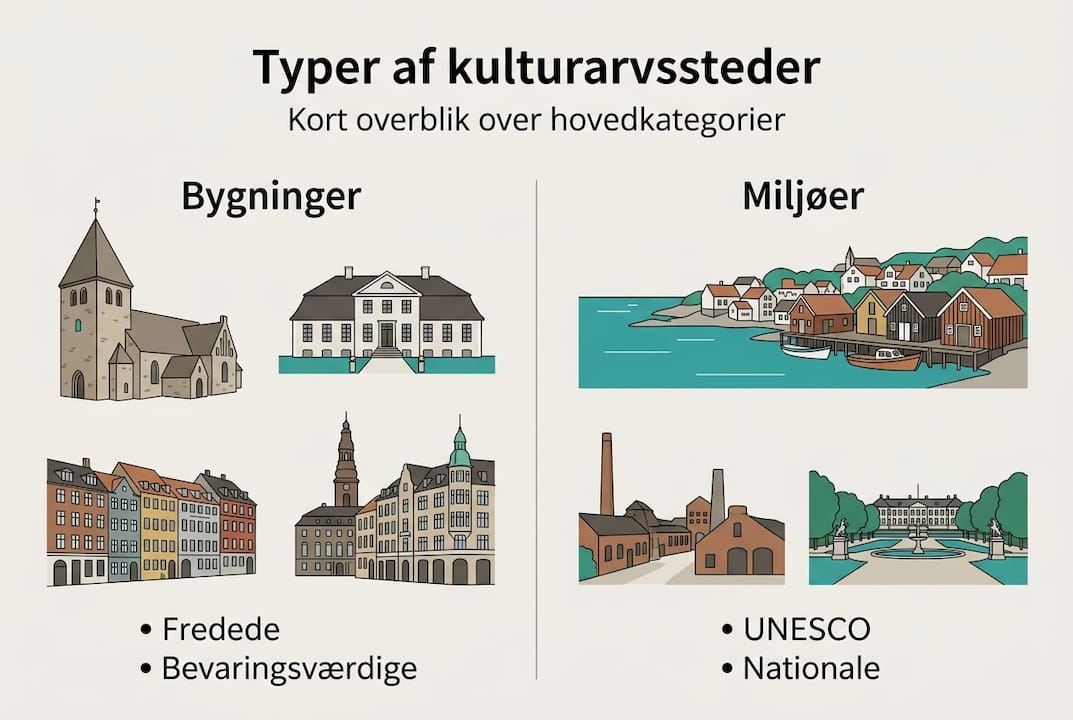
Listed buildings constitutes the most strictly protected category. Approximately 7,100 listed buildings Administered by the Agency for Culture and Palaces. To be protected, a building must be over 50 years old and have significant historical, architectural, or cultural-historical values. Protection means that the owner is not allowed to change the building's exterior or interior without permission from the authorities.
Buildings worth preserving is a broader category. Here we find 300,000 to 400,000 buildings in Denmark that are registered as preservable of regional or local significance. They are not legally protected, but the municipalities can protect them through local plans.
| Category | Number in Denmark | Protection level |
|---|---|---|
| Listed buildings | Approximately 7,100 | Legally protected by the Conservation Act |
| Buildings worth preserving | 300,000 to 400,000 | Protected through municipal local plans |
| UNESCO World Heritage Sites | 10 | International protection |
| National cultural environments | 16 designated | Planning protection |
UNESCO World Heritage Sites They are the most internationally recognized. Denmark has several UNESCO World Heritage sites, and the list is impressive:
- The Jelling Stones and the Jelling Burial Mounds
- Roskilde Cathedral
- Kronborg Castle
- Christiansfeld, a Herrnhutian colony town
- The North Sea (shared with Germany and the Netherlands)
- Stevns Cliffs
- Møns Klint
- Vikingering Fortresses (listed in 2023)
National cultural environments It is a newer category. The Danish Agency for Culture and Palaces has designated 16 cultural environments in older Danish towns These environments are not single buildings, but entire neighborhoods or urban environments that together tell a coherent historical story.
You can find examples of cultural activities connected to many of these places, and if the budget is tight, there are also plenty of free cultural heritage experiences to choose between
How are cultural heritage sites protected and maintained?
Many types of places raise an important question: How is their preservation ensured? The answer is a combination of legislation, expert assessment, and practical maintenance.
The conservation process follows these steps:
- Setting: A building or an installation is designated for preservation, either by an authority, an association, or a citizen.
- Expert assessment: Protection requires expert assessment through the Special Building Inspection, which is an independent advisory body
- Hearing: The owner and relevant authorities are heard in the process
- Decision: The Danish Agency for Culture and Palaces makes the final decision
- Registration: The protected site is registered in the national register and receives legal protection.
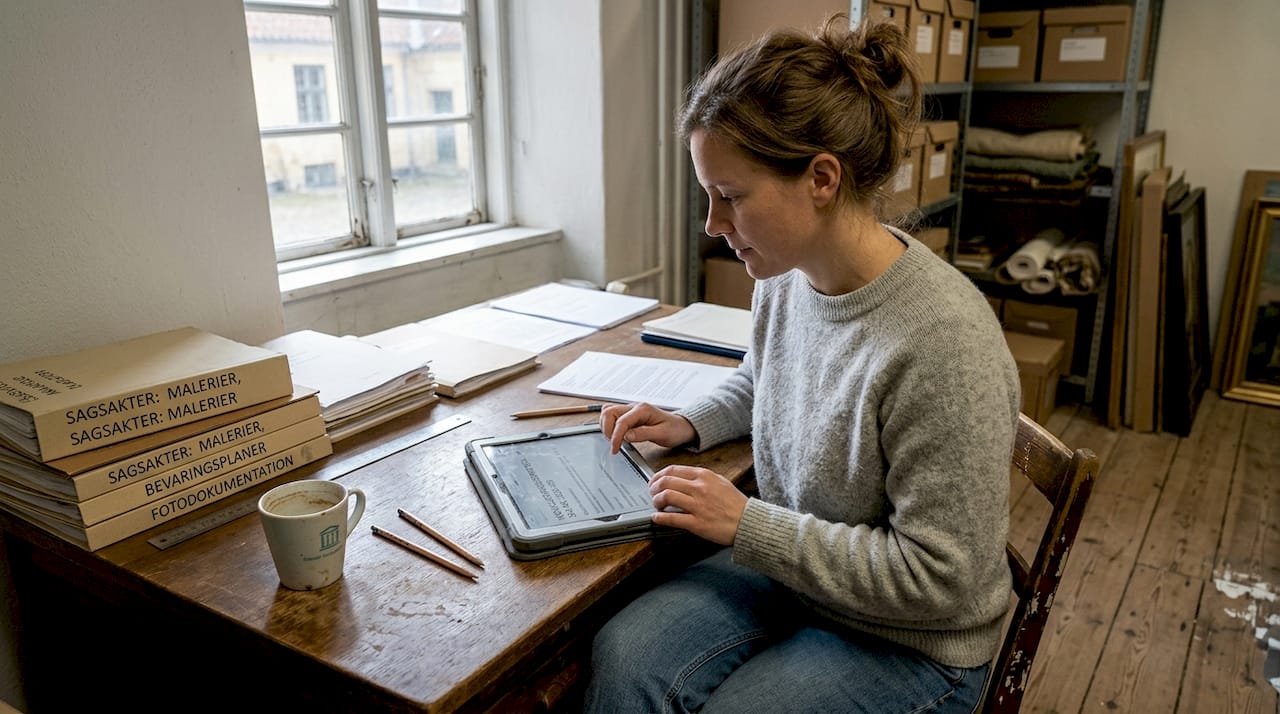
The Special Building Inspection plays a central role. It is composed of architects, historians, and other professionals who assess whether a building meets the preservation criteria. Your assessments are thorough and take into account both the national and local significance.
Professional tip: If you are interested in a specific building, you can search the Danish Agency for Culture and Palaces' online register and find information about its conservation status, history, and any preservation plans.
For heritage buildings The protection is more flexible. 300,000 to 400,000 buildings in Denmark are registered as preservation-worthy, and the municipalities use local plans to ensure that they are not demolished or altered without consideration. Owners can apply for restoration support through various government and regional support schemes.
Sustainable tourism is an important part of the conservation equation. When places attract visitors, they generate revenue that can be used for maintenance. Men for mange besøgende kan også glide på et sted. Therefore, many cultural heritage sites actively work to manage visitor flows and ensure that tourism does not destroy what they have come to experience.
You can read more about the value of attractions In Denmark and find inspiration for Experiences in Denmark across the entire country
Cultural heritage sites as experiences for tourists
Finally, we look at how you can concretely experience cultural heritage on the journey. Cultural heritage sites are not just something you look at from a distance. The best experiences happen when you actively engage with the place and its story.
Denmark's UNESCO World Heritage sites include the Jelling Stones, Kronborg Castle, Roskilde Cathedral, Viking ring fortresses (listed in 2023), Christiansfeld, the Wadden Sea, Stevns Klint, and Møns Klint. Each of these places offers very different experiences and appeals to different interests.
| Location | Type experience | Best for |
|---|---|---|
| The Jelling Stones | Outdoor, historical | Viking and history enthusiasts |
| Kronborg Castle | Guided tours, theater | Culture enthusiasts, familiar |
| Roskilde Cathedral | Architecture, royal houses | Architecture and history enthusiasts |
| The North Sea | Nature, guided hiking tour | Nature lovers, active tourists |
| Stevns Cliffs | Geology, hiking | Natural lovers, geology enthusiasts |
How do you get started best? Here are some concrete tips:
- Book guided tours in advance: Many popular places like Kronborg Castle offer guided tours that provide a much deeper understanding of the site than a self-guided tour.
- Visit outside the high season Cultural heritage sites are much more atmospheric and pleasant to visit during the shoulder seasons of April to May and September to October.
- Combine nature and culture: Many places like Stevns Klint and the Wadden Sea combine natural experiences with cultural history in one visit
- Check local events: Many cultural heritage sites host special events such as medieval markets, concerts, and historical reenactments.
- Download the place's app: In many places, digital guides and augmented reality experiences bring history to life.
Professional tip: Plan your visit to the Jelling Stones early in the morning. The stones are surrounded by a church and burial mounds, and in the morning light with few other visitors, the experience is truly special.
For inspiration for experiences all year round You can find advice for all seasons. And if you are fascinated by Denmark's unique church architecture, our Guide to round churches A good place to start.
The uniqueness of Danish cultural heritage sites – our editorial perspective
Once all the facts are covered, here is a personal and editorial assessment. We believe that Danish cultural heritage sites possess something that many international sites lack: a human scale.
In many countries, cultural heritage sites are overwhelmingly large and distant. In Denmark, you can literally touch the Jelling Stones, walk around Kronborg's courtyard, and sit in the same churches that Danish kings have visited for hundreds of years. Physical proximity creates an authenticity that is hard to find elsewhere.
However, we do see a trend that worries us a little. Many visitors focus solely on the major UNESCO sites and overlook the hundreds of local cultural heritage sites that are just as fascinating. A small Romanesque village church from the 12th century can tell at least as rich a story as a world-famous castle, and you will probably have it all to yourself.
Sustainable tourism and conservation must go hand in hand. It means that as visitors, we have a responsibility to behave respectfully and contribute to the maintenance of the places. Support local guides, pay entrance fees, and spread your visits across the country instead of overloading the most famous places. Find inspiration for top attractions and let yourself be surprised by what Denmark has to offer outside the well-known routes.
Plan your visit to cultural heritage sites in Denmark
From our perspective, it is time for your concrete opportunities to visit cultural heritage sites. Travel in Denmark has gathered everything you need to plan the perfect cultural heritage trip. Whether you are Danish wanting to rediscover your own country or an international tourist on your first trip to Denmark, you will find guides, tips, and inspiration for all types of visits. Our Complete guide to Denmark travel Helps you put together a trip that combines the well-known major sites with hidden local gems. And with our Guide to Danish local transportation Is it easy to get around to even the more remote cultural heritage sites without a car?
Frequently Asked Questions
What types of cultural heritage sites are found in Denmark?
The most important types are protected buildings, buildings of cultural value, UNESCO World Heritage sites, and national cultural environments, which together cover thousands of historical and cultural sites across the country.
How can I visit cultural heritage sites as a tourist?
Most cultural heritage sites are open to visitors and offer both free and guided experiences. You can find activities for culture enthusiasts and plan your visit through online guides and local tourist offices.
Who decides whether a place becomes protected?
The Agency for Culture and Palaces and the Special Building Inspection assess and manage the preservation of buildings in Denmark through a thorough expert evaluation.
Are all cultural heritage sites public?
Most of them are publicly accessible, but buildings worth preserving can be private or have access restrictions, especially if they are still in active use as residences or commercial buildings.