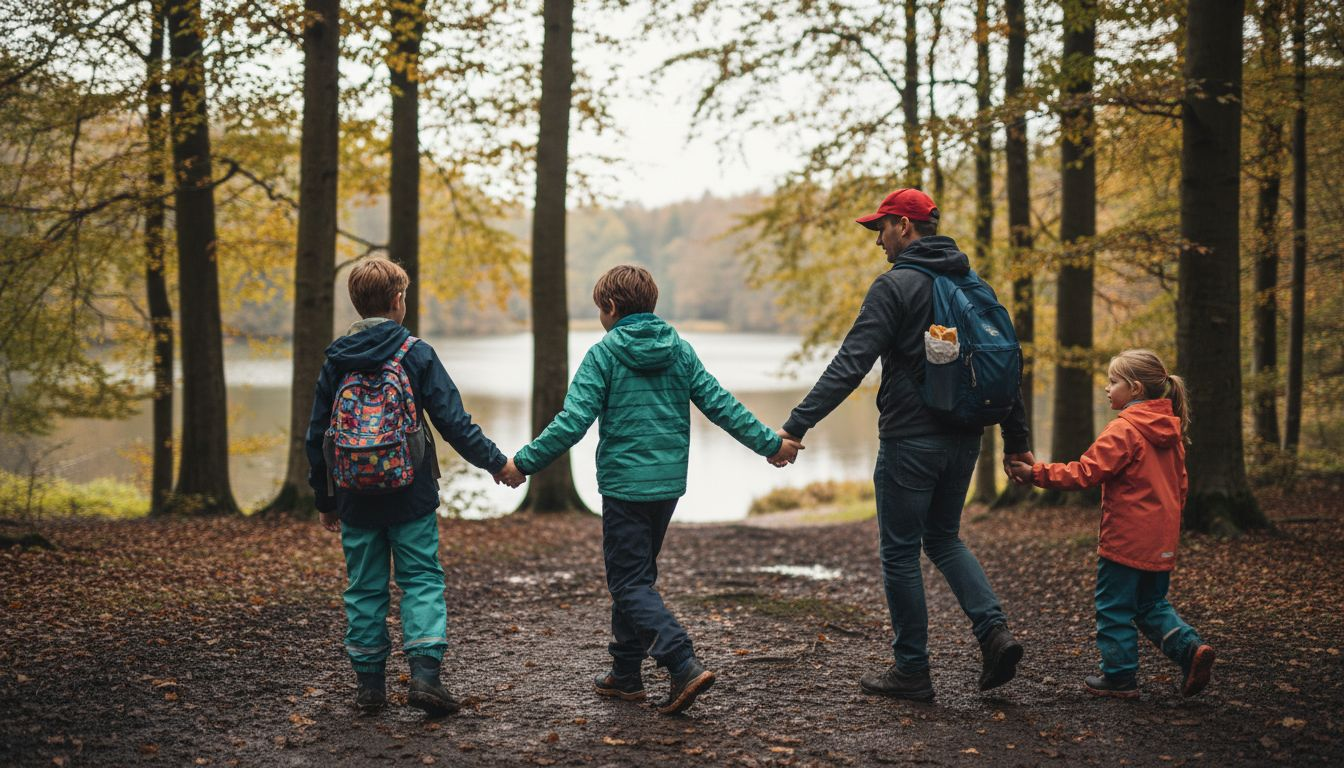
70% of Danish families report closer relationships after shared nature and cultural experiences. Experiential learning combines active activities, social engagement, and learning in scenic natural surroundings. They create meaningful memories and strengthen both mental health and family bonds. This guide shows you how to plan experience trips that suit all ages and interests.
Key points
| Point | Details |
|---|---|
| Stronger family bonds | Experiential gestures create 70% better relationships through shared challenges and successes. |
| Mental health | Nature experiences reduce stress by 30% and improve mental well-being for 92% of participants. |
| Diverse possibilities | Denmark offers tours for all levels, from relaxed cultural walks to active nature expeditions. |
| Common misunderstandings | 47% mistakenly believe that experience tours are only physically demanding, but many include cultural activities. |
| Flexible planning | 78% experience greater satisfaction with child-friendly plans that include breaks and play. |
Introduction to experience tours in Denmark
Experiential travel is an active form of vacation that combines nature, culture, and social activities in meaningful packages. They differ from traditional holidays by focusing on engagement, learning, and shared experiences rather than passive relaxation. Instead of spending time at hotels or beaches, families participate in activities such as hiking in national parks, historical walks through old towns, or nature games in the forest.
The Danish population is increasingly embracing this form of holiday. Experience growth increases by 15% annually among families and nature enthusiasts This growth reflects a shift in how Danes prioritize leisure and community. Modern families seek more than just relaxation; they desire experiences that create lasting memories and strengthen relationships between family members.
For Danish families and outdoor enthusiasts, experience trips are particularly relevant for several reasons. Denmark has fantastic natural areas, culturally rich cities, and a strong tradition of outdoor activities. The adventure experience combines these elements in ways that suit both families with children and experienced nature lovers. They offer opportunities to explore the country in depth while participating in outdoor activities for families It engages all age groups.
Typical experiences in Denmark include:
- Hiking in national parks with nature guides and learning about ecosystems
- Historical walks through medieval towns with stories and role-playing
- Combined nature and cultural tours that blend museum visits with outdoor activities
- Adventure trip with treasure hunts and interactive tasks for children
- Bike trips along the coast with stops at local attractions and natural gems
How experience trips create stronger family bonds
Shared experiences during adventures strengthen communication and collaboration in ways that everyday life rarely allows. When families navigate together through new environments, solve practical challenges, or discover exciting places, natural conversations and moments of intimacy arise. These interactions build bridges between generations and create space for deeper understanding.
Research shows impressive results. 70% of families report closer relationships after shared nature and cultural experiences This effect is due to several factors. Under oplevelsesture er familier fysisk sammen uden de sædvanlige distraktioner fra teknologi og arbejde. They share success experiences, support each other through small challenges, and create stories they can tell over and over again.
Specific activities that both create fun and social intimacy include:
- Group cooking over a fire where everyone contributes with tasks
- Nature walks with rest stops for play and exploration
- Team-based challenges such as orienteering or treasure hunts
- Creative projects such as nature art or journaling
- Evening songs and storytelling around the campfire
The importance of common challenges cannot be overstated. When a family climbs a hill together, finds their way through the forest, or builds a shelter, they experience a sense of mastery as a group. These moments of collective achievement strengthen the feeling of being a team. Children see their parents in new roles, and parents discover new sides of their children.
Professional tip: Involve all family members in both planning and reflection. Let the children choose some activities before the trip, and gather the family for short conversations about the best moments of the day every evening. This significantly increases engagement and gives everyone ownership of the experience.
Experiential gestures also create space for family outings and gatherings without the structure and pressure that often characterize everyday life. Families can go at their own pace, take breaks when it suits them, and adjust activities based on mood and energy levels.
Health benefits of nature experiences
Mental health improves significantly through nature-based experiential trips. The body and mind respond positively to time in green environments with fresh air, natural sounds, and a lack of the constant stimuli of cities. This effect is not just a subjective feeling; it is scientifically documented with measurable improvements in stress levels and mental well-being.
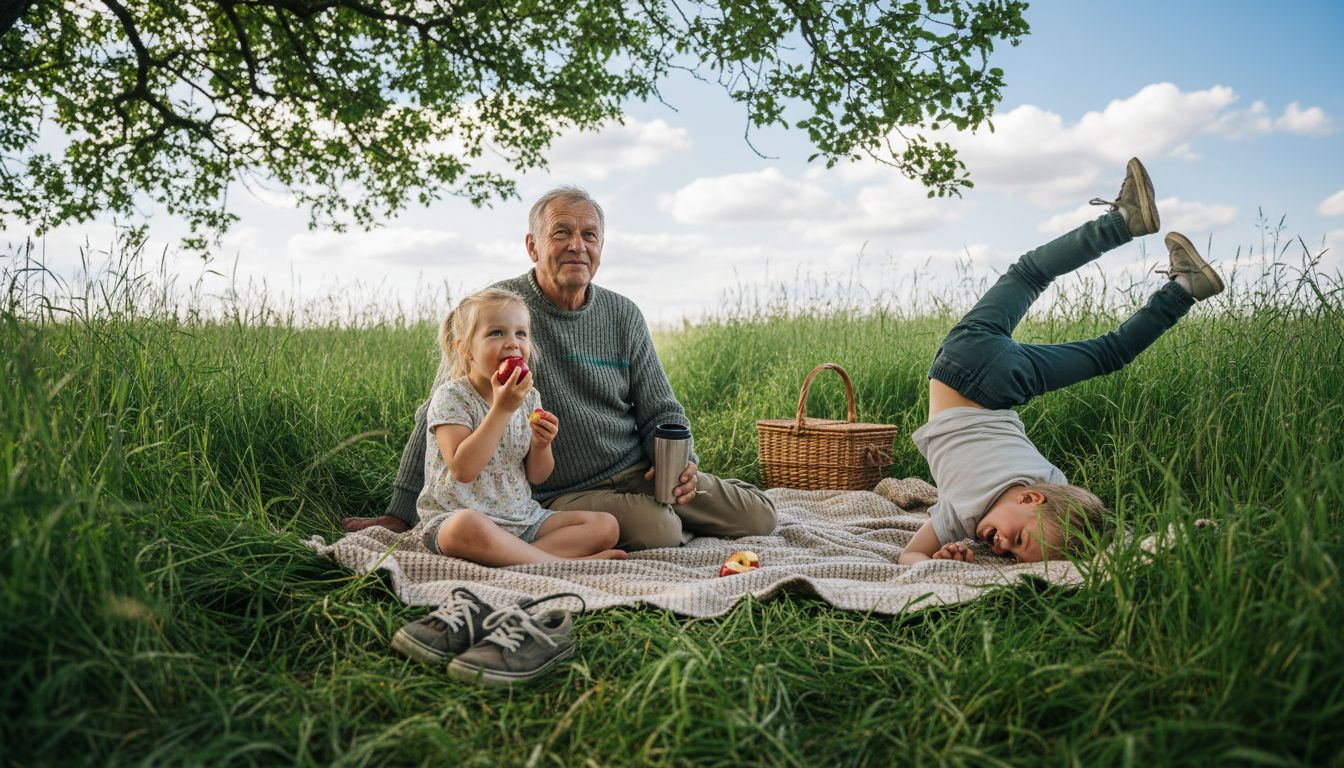
Research documents stress reduction of up to 30% among participants in nature experiences. At the same time, 92% report better mental health after trips lasting over 90 minutes. This duration seems to be an important threshold. Shorter nature visits also have benefits, but the full effect requires time to relax and let the tranquility of nature seep into the nervous system.
Physical health benefits include:
- Improved circulation and fitness through walking and cycling
- Strengthened immune system through exposure to natural microorganisms
- Better sleep quality thanks to physical activity and fresh air
- Reduced blood pressure through relaxation and movement
- Increased vitamin D production from sunlight during outdoor activities
Mental benefits include more than just stress reduction. Nature experiences improve concentration, creativity, and problem-solving skills. Children who regularly spend time in nature demonstrate better attention in school. Adults experience clearer thoughts and increased mental energy. Many people describe a feeling of mental reset after just a weekend in nature.
After an adventure trip, we feel recharged in a way that no ordinary holiday can match. The children are calmer, and we as parents have much more energy.
Professional tip: Switch between calm and active elements for optimal recharging. Start the day with an energetic walk, take a long lunch break with play and relaxation, and end with calm activities such as birdwatching or nature observation. This rhythm suits both children's and adults' energy levels.
To maximize health benefits, experiences should include Nature experiences in Denmark it allows time for genuine immersion. The hunt for Instagram pictures and packed schedules can undermine the benefits. Prioritize quality over quantity.
Misunderstandings about experience tours
Many Danes avoid experience trips based on false assumptions. The most common misconception is that experiences always require strenuous physical activity and high fitness. Reality is much more nuanced. Statistics show that 47% of participants misinterpret adventure trips as only physically demanding activities, even though many adventure trips focus on cultural and educational elements.
Experiential gestures span a vast spectrum of intensity levels. A family trip can be a peaceful walk through a historic city with stops at cafes and museums. It can be a bike ride on flat routes with plenty of breaks. Or it can be a nature walk at a moderate pace adapted to the children's legs. A physical challenge is an opportunity, not a requirement.
Other common misunderstandings include:
- At outdoor adventures are only for experienced outdoor enthusiasts with special equipment
- The weather in Denmark makes outdoor experiences unreliable and uncomfortable
- Children are too young or too old to enjoy sightseeing trips
- Experiencing pleasure is more expensive than traditional holidays
- You need to be an expert in navigation and survival techniques
The truth is that experiences are available to everyone. Family members can start with short daytime trips close to home and gradually build experience and confidence. Many organized experiences offer guides and facilities that make them perfect for beginners. Denmark has well-developed trail systems, clearly marked routes, and rich infrastructure that support outdoor activities.
Variation is the key to including all ages and levels. A successful experiential trip for a family with both young children and teenagers requires activities that engage both groups. This can be achieved by blending physically active elements with cultural stops, playgrounds, and educational experiences. Flexibility in the program ensures that no one feels pressured or bored.
The importance of choosing experience tours tailored to the participants' needs cannot be overstated. A family that has never hiked before should not start with a three-day camping trip. Start small, build experience, and let the interest grow naturally. With the right expectations and adaptation, almost any family can enjoy the benefits of experience trips.
Sammenligning: oplevelsesture versus traditionelle ferier
Active experiences create more engaging memories than passive vacations. When we compare the two types of holidays across key dimensions, the differences become clear. Traditional holidays focused on relaxation by the pool or beach have their merits, but they rarely provide the depth of experiences and lasting effects that experiential travel offers.
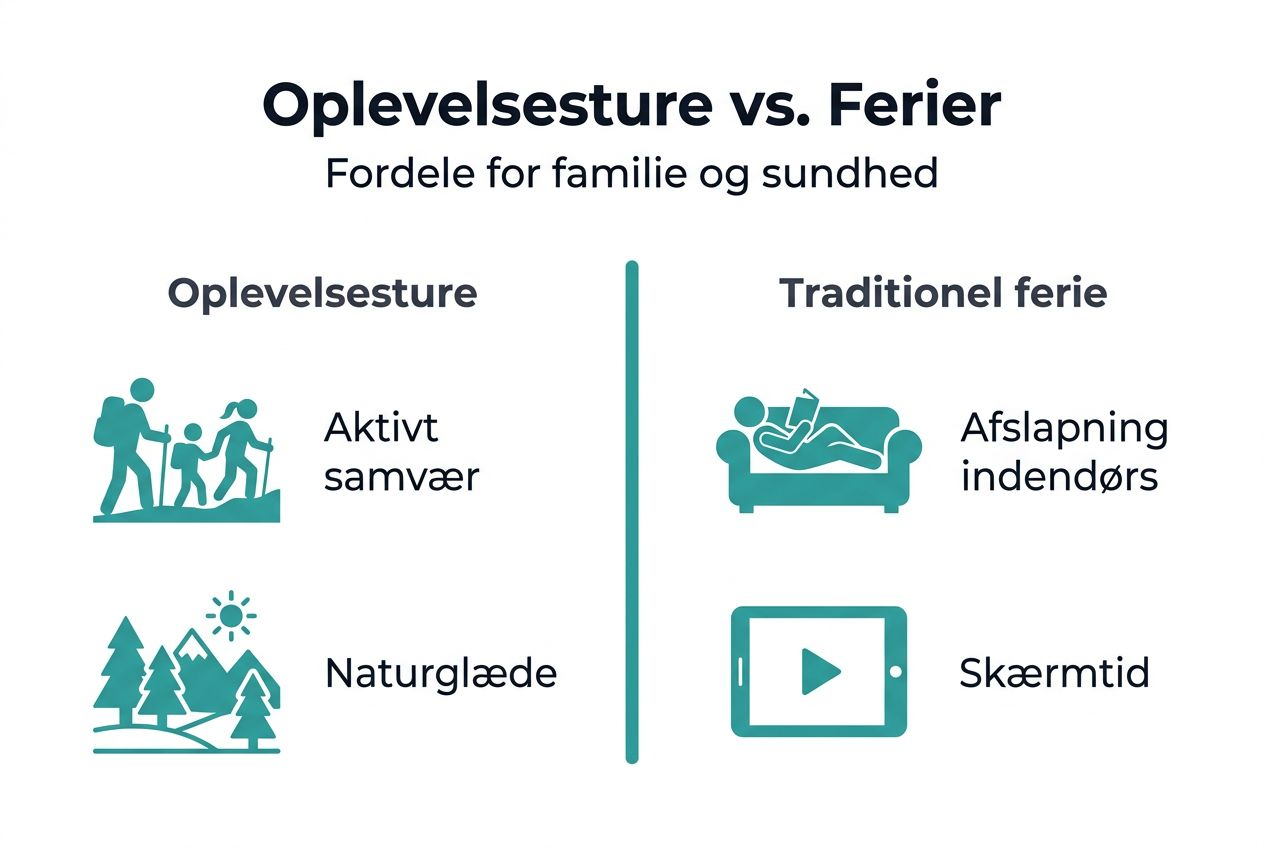
A direct comparison illustrates the differences:
| Criterion | Adventure trip | Traditional holiday |
|---|---|---|
| Mental health | 30% stress reduction, 92% improvement | Short-term relaxation, limited long-term effect |
| Social bonds | 70% report closer relationships | Minimal impact on family dynamics |
| Physical activity | High participation, natural movement | Low activity, mainly sedentary |
| Memory | 80% better long-term memory | Fewer memorable moments |
| Engagement | All age groups participate actively | Passive entertainment, varying interest |
| Learning | My knowledge of nature, culture, and history | Limited learning content |
Research data supports these differences. Studies show that experience trips provide 80% better long-term memory compared to traditional vacations. This is because active experiences engage more senses and require greater mental participation. When we perform actions, solve problems, and interact with the environment, the brain encodes the information more deeply.
The benefits of experience trips for family engagement are particularly significant. During traditional holidays, families often fall back into familiar patterns, each immersed in their own activities. Children play by the pool, teenagers hang out in their rooms with phones, parents read books. There's nothing wrong with this, but it creates few shared experiences.
Experiential education positively forces the family to be together. They will navigate, make decisions, and solve challenges as a team. This creates natural conversations and moments where family members see each other in new situations. A father who builds a bonfire, a mother who identifies birds, or a child who finds their way with a map suddenly become experts who can teach others.
The conclusion is clear: for families seeking meaningful vacations with long-lasting positive effects, experience trips are a valuable alternative. They combine the best of several worlds with physical activity, mental stimulation, social interaction, and cultural learning in packages that fit Danish conditions perfectly.
Concrete experiences in Denmark for families and outdoor enthusiasts
Denmark offers a variety of experiences that combine the country's scenic landscapes with rich cultural history. Data shows that 65% of families seek experience trips that combine nature and culture, reflecting a desire for varied experiences rather than one-sided activities.
Popular experience tours in Denmark include:
- Thy National Park with hiking trails through dune landscapes, wild beaches, and peaceful forests
- Møns Klint where families combine spectacular chalk cliffs with fossil hunting and a nature center
- Skagen with bike tours between two seas, visits to art museums, and observation of light phenomena
- Walk through the history of Ribe, Denmark's oldest town, with Viking Museum and medieval atmosphere
- Around Bornholm with a mix of rocky coast, smoked fish shop visits, and crafts
Adapting to both families with children and experienced outdoor enthusiasts requires consideration. Family households need shorter stages, frequent breaks, and opportunities for play along the way. Examples include treasure hunts in the forests where children follow tracks and solve riddles. Or naturally where sticks, stones, and leaves become creative projects. These activities keep children engaged while they learn about nature.
For experienced outdoor enthusiasts, Denmark offers longer hiking and cycling routes such as the Hærvejen or Gendarmstien. These can be combined with nature experiences in Denmark that challenge physically and provide immersive contact with nature. Staying in shelters or tents adds an extra layer of authenticity.
Historical walks appeal broadly to all ages. When a guide in historical costume talks about the Viking Age traders in Ribe or about beach washwomen on the West Coast, history comes alive. Children remember these stories much better than fact boxes in schoolbooks. Adults gain a deeper understanding of Danish cultural heritage through place-based learning.
Combined nature and cultural tours are particularly valuable. A family can start the day with a hike in a national park, have lunch at a historic church, visit a local museum, and end with swimming at the coast. This variation keeps everyone engaged and ensures that different interests are met. Websites that Rejs i Danmark offers comprehensive overviews of cultural activities in Denmark the letter planning
The importance of proper equipment should not be underestimated. Good hiking boots prevent blisters, waterproof clothing makes bad weather comfortable, and a proper first aid kit provides security. For more advanced tours, tools such as Outdoor knife be useful for cooking and practical tasks. Safety should always be prioritized through proper preparation.
Experiences that combine elements of family outings with a focus on togetherness deliver the best results. Plan with a balance between structure and freedom, activity and rest, challenge and comfort.
Practical advice for planning experiential trips
Successful planning begins with understanding children's needs and limitations. Small children have shorter attention spans and less physical endurance. They need frequent breaks for play, snacks, and bathroom visits. Plan routes with natural stopping points such as playgrounds, interesting geological formations, or water bodies where children can play.
Flexibility in schedule and activity significantly increases participation and joy. Data confirms that 78% of families experience greater satisfaction with flexible and child-friendly plans. Instead of rigid schedules, families should have an overview of possible activities and choose based on the day's energy and weather. If the children are tired, skip the extra walk. If everyone is energetic, add an extra activity.
Three-vision approach to planning:
- Choose a destination based on the family's interests and experience level
- Identify 3-5 main activities with variation in intensity and type
- Book accommodation that fits your budget and comfort requirements
- Pak Smart focusing on weather-appropriate clothing and food
- Mentally prepare the children by showing pictures and telling stories
- Create a flexible agenda with room for spontaneity
Involving all family members in the planning creates ownership and increases motivation. Let each child choose one activity they would like to try. Give teenagers responsibility for specific planning tasks such as researching dining options or finding interesting sights. When children feel that their input matters, they participate more enthusiastically.
Safety requires practical preparation. Check the weather forecast and pack accordingly. Inform someone about your route during longer trips. Bring a fully charged phone, a paper map as a backup, and basic first aid supplies. For hiking, everyone should have appropriate footwear that is broken in beforehand.
Professional tip: Use checklists and step-by-step planning to reduce stress and increase success. Create a simple checklist divided into categories: equipment, food, clothing, first aid, entertainment. Review the list together as a family the day before departure. This reduces the risk of forgetting important things and gives the children concrete tasks they can help with.
Resources such as Planning a trip to Denmark with the family og Checklist for family outings makes the process much simpler. These tools offer structured frameworks that ensure nothing is overlooked while allowing families to customize according to their own needs and preferences.
Plan your next adventure trips in Denmark with Rejs i Danmark
After learning about the benefits of experiential trips and how they are planned, the next step is to find specific destinations and activities. Rejs i Danmark offers comprehensive resources that make the process simple and inspiring. The platforms collect information about attractions, nature experiences, and cultural activities across the entire country.
The website's interactive map and filters help you find experiences tailored to the season, budget, and participants' ages. Whether you are seeking peaceful nature experiences or action-packed adventures, you will find detailed descriptions with practical information about access, facilities, and costs. Many locals use Rejs in Denmark as a starting point to create their own unique experience trip.
Specifically, you can explore the comprehensive Guide to Denmark for first-time visitors He introduces the country's best destinations. For concrete planning, the checklist for family outings offers structured tools so that nothing is overlooked. Inspiration for specific activities can be found under outdoor activities for families.
Denmark's strength lies in the combination of broad coverage and practical depth. Instead of searching for information across multiple sources, you find everything gathered in one place. This saves time and ensures that your experience trip becomes as successful and memorable as possible.
Frequently Asked Questions
What is an experience trip?
An experiential trip is an active form of vacation that combines nature, culture, and social activities in meaningful packages. It differs from traditional holidays by focusing on engagement, learning, and shared experiences rather than passive relaxation. Experiential activities can include hikes in national parks, historical walks through old towns, cultural events, or nature-based activities such as cycling and kayaking. For families and outdoor enthusiasts, they offer the opportunity to strengthen relationships while discovering new places and learning about nature and culture.
How to best plan an experience trip for the family?
Start by choosing activities that everyone can participate in based on the family's overall experience level. Plan frequent breaks with opportunities for play and rest, especially if you have small children. Involve the whole family in the decisions by letting each member choose at least one activity. Use checklists to ensure you have packed appropriate equipment and food. Most importantly, you must maintain flexibility in the schedule so that energy levels and weather can be adjusted along the way.
What types of experience trips are there in Denmark?
Denmark offers a variety of experiences, from peaceful nature walks in national parks to active cycling tours along the coast. Cultural history walks through towns like Ribe and Skagen combine learning with physical activity. Family-friendly trips can include treasure hunts in the forest, fossil hunting at Møns Klint, or nature games on the beach. For experienced outdoor enthusiasts, there are longer routes such as Hærvejen with overnight stays in shelters. Many walks combine nature, culture, and play to appeal to all age groups.
Can experiential activities help improve the family's cohesion?
Yes, research shows that 70% of families report closer relationships after shared experience trips. Shared challenges, successes, and time together without digital distractions strengthen communication and team spirit. When families navigate new environments and solve practical tasks together, natural conversations and moments of intimacy arise that rarely occur in everyday life. The memories and stories created during experiences become the link the family returns to again and again.
Recommendation
- Benefits of Family Experiences – Strengthen Togetherness and Learning – Travel in Denmark
- Role of Nature Experiences – Strengthens Family Bonds – Travel in Denmark
- 7 inspiring examples of family activities for all ages – Travel in Denmark
- Why Experience Children's Denmark – Memorable Family Time – Travel in Denmark