
TL;DR:
- Cultural experiences strengthen social belonging and mental well-being, especially through relationships and community. Authentic and participatory cultural experiences are important for the experiences of tourists, local communities, and individuals. Effective cultural development requires early citizen involvement and an understanding of local culture.
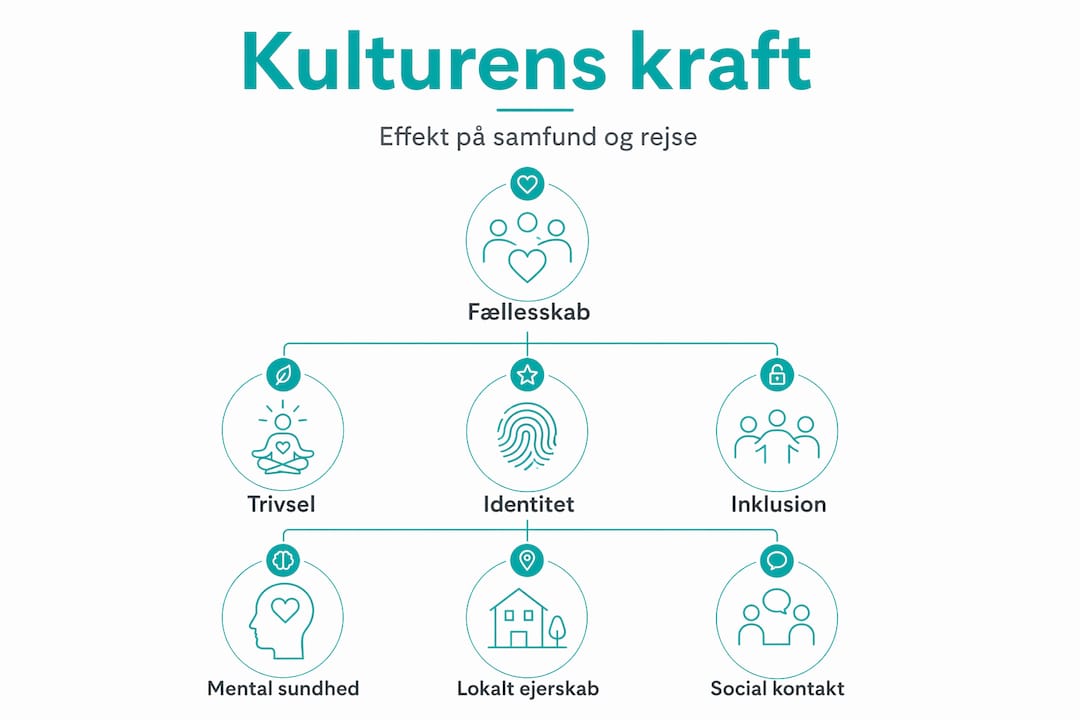
Cultural experiences are much more than a trip to the museum or a local history city walk. The role of cultural experiences in our society ranges from enhancing mental well-being and reducing loneliness to shaping the identity and economy of entire destinations. Research shows that social connectedness It is the most important single factor for mental well-being in music and cultural communities for children and young people. It's not the activity itself that makes the difference. It is the relationships and the sense of belonging that the culture creates. This article provides you with a concrete picture of how cultural experiences affect both the individual traveler and the local communities they visit.
The role of cultural activities in well-being and mental health
When we talk about the significance of cultural experiences for individual well-being, it's easy to think in broad terms like "inspiration" and "personal growth." But research is more precise than that. The positive effect of culture on mental health primarily arises in the relational and socially connected aspects rather than the content of the activity itself. That means it's not necessarily the music, the art, or the play itself that helps. It's about the community around it.
A study in Roskilde Municipality specifically indicated that cultural offerings function as mental free spaces for children and young people. Here they experience the camaraderie and security that they do not always find elsewhere. It is an important point for everyone who works with or is interested in the role of cultural experiences in society.
Five active ingredients characterize cultural offerings that promote mental health:
- Security and predictability Within the framework, so participants dare to open up
- Participatory participation more about performance and competition
- Recognition and belonging to a community with the same interest
- Meaning-making through shared cultural expressions and narratives
- Low-threshold access enables vulnerable groups to participate
Cultural experiences attract exactly the groups that have the greatest need for social contact. It's not a coincidence. Niche and interest communities are low-threshold environments where you don't need to have the right clothing brands or the right background to belong.
Professional tip: If you are planning cultural activities for families or young people, always prioritize the social framework over the academic content. An informal conversation over a shared cultural activity can be much more beneficial than a well-formulated program.
The role of cultural levelers in tourism and travel experiences
The influence of cultural levelers on tourism is increasingly about authenticity. Tourists are not just looking for sights. They seek experiences that feel genuine, that connect them with the soul of the place and the people who live there.
Research from Prenggan Tourism Village in Yogyakarta shows that Authentic tourist experiences occur In the tension between cultural heritage, local wisdom, and active participation. The central concept here is co-creation: the tourist is not just a spectator but a co-creator of the experience. Local stories and practices should be brought to life and not merely preserved statically to enhance authenticity and engagement.
Cultural co-creation requires that local stories and practices be brought to life, not just preserved statically, in order to enhance authenticity and engagement.بازآفرینی گردشگری میراث از طریق همخلق، MDPI 2025)
Below is an overview of what distinguishes superficial tourist experiences from in-depth cultural experiences:
| Element | Superficial tourist experience | In-depth cultural experience |
|---|---|---|
| Participant role | Passive spectator | Active co-creator |
| Local content | Generic and packaged | Authentic and site-specific |
| Citizen involvement | Neither or symbolic | Early reel and early involvement |
| Effect on society | Limited | Strengthens the local economy and identity |
| The duration of the experience | Short-term and forgetful | Memorable and meaningful |
Citizen involvement is essential for sustainable cultural tourism. A measurement from Visit Greenland shows that 46% of citizens They are positive about tourism, but only 16% feel they have real influence on its development. It is a dangerous chasm. When the local population does not own the experience, tourism loses its authenticity and its social foundation.
In Denmark, the project "Culture in the Heart" is working in North Jutland to Strengthen cultural tourism a year-round business and growth driver for the local community It is a good example of how cultural experiences in everyday life can be considered strategically and not just as a supplement to summer tourism. You can read more about cultural activities in Denmark to find concrete examples that combine authenticity with visitor experiences.
The influence of cultural levelers on society and community
The role of cultural levelers in society is not only about the major cultural institutions. Much of the real societal impact occurs in volunteer and niche-oriented cultural environments, which rarely receive much attention.
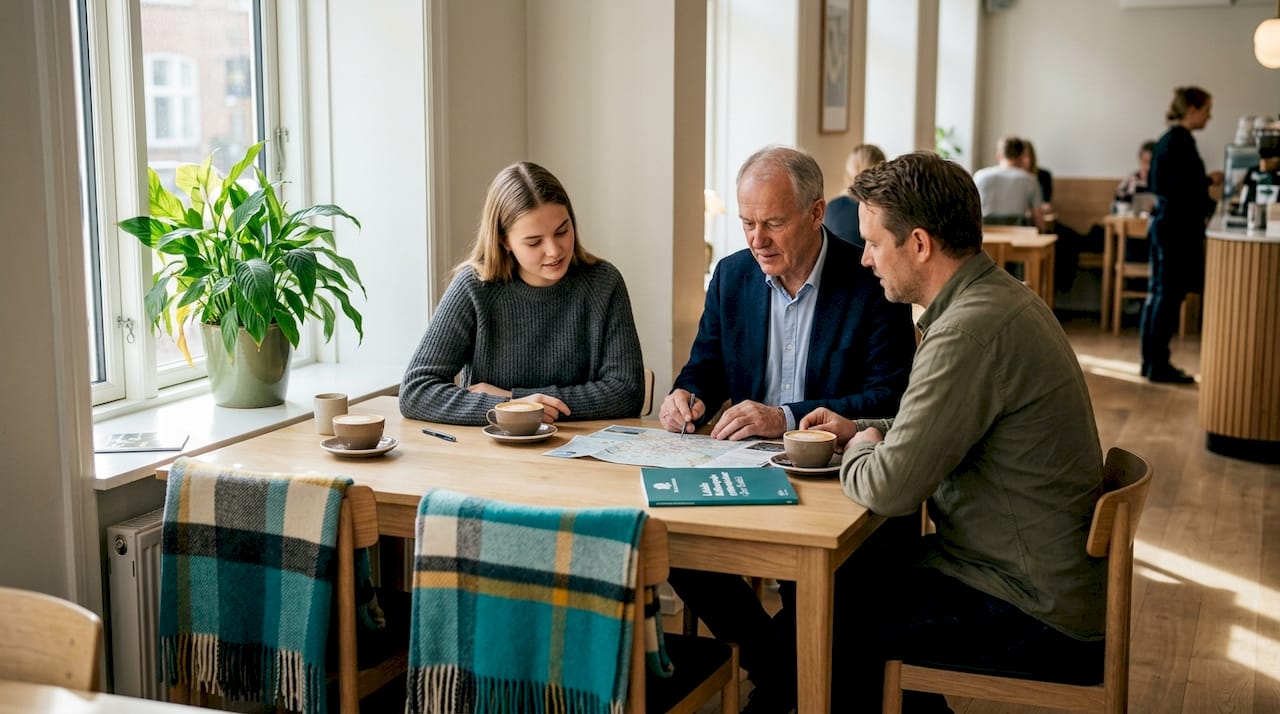
A national survey of cultural volunteering shows that only 11% of cultural volunteers feels lonely. It is a remarkably low number, and it tells us something important about the social power of culture. Especially nerdy and niche cultures, such as role-playing games, board game communities, and fan groups, create spaces for people who might otherwise have difficulty finding their place.
Concrete results from the survey show:
- Cultural volunteerism increases well-being by creating social belonging, especially for vulnerable and marginalized groups.
- Northern culture encompasses more vulnerable participants than more mainstream cultural offerings.
- The inclusive community in niche culture has high social value and actively reduces loneliness.
- Shared cultural interests provide a natural entry point to social relationships without demands for social performance.
Cultural experiences and a sense of belonging are therefore inextricably linked. Cultures provide a framework within which social relations can arise organically. You don't need to have anything in common with others except the interest in the same cultural phenomenon.
The importance of cultural experiences as social infrastructure is increasingly recognized in political visions. A cultural advisor has argued that Culture should be integrated as a central welfare resource in society's infrastructure rather than remaining a symbolic vision It requires local collaborations and popular engagement to have a real effect.
Professional tip: Do you want to understand a community's identity and social life? Don't just look at the municipality's official cultural offerings. Look for volunteer communities, role-playing clubs, amateur theaters, and local festivals. That's where the culture lives.
Design of effective cultural experiences
Knowing what cultural experiences can do is one thing. Putting it into practice is something else. Cultural actors and tourism developers who want to create experiences with real impact need to work more systematically than most do today.
Epinion points out that Segmentation only creates value when it is actively used across the organization's processes and not just as an analysis that gathers dust. It means that knowledge of who the audience is must shape everything from program selection and communication to physical layout and pricing structure.
Here is a comparison of two approaches to developing cultural experiences:
| Access | Traditional top-down | Participatory and co-creative |
|---|---|---|
| Who determines the content? | Cultural institutions alone | Cultural institution and participants in community |
| When are citizens involved? | Sent or not at all | Early in the development process |
| Adaptation to the target audience | Generic and broad | Specific and segmented |
| Authenticity | Limited | High |
| Local support | Often weak | Strong and sustainable |
The practical lesson is clear: citizen involvement early in the development process is crucial to avoid top-down cultural products that have no local support. It applies to a local cultural institution in Esbjerg as well as to a tourism development project in Greenland.
To design cultural experiences with real impact, you should integrate cultural understanding frameworks Active in your work from the beginning. It's not just about having a good program. It's about understanding who you're designing the program for and ensuring that those people feel welcome and represented in the experience.
My perspective on the undervalued power of culture
I have followed the cultural debate for many years, and what repeatedly strikes me is how consistently culture is underestimated in the major societal discussions. When politicians and the media talk about culture, it is almost always in terms of ticket prices, support for institutions, and the arm's length principle. It's like discussing the healthcare system solely by talking about hospital buildings.
The cultures are filling up Much more in society end valgtests og medier giver indtryk af. I clearly experience it when I travel in Denmark and visit places where local cultural initiatives have created a connection that extends far beyond the event itself. A local theater group, an amateur choir, a role-playing community. There are places where people meet, know each other, and take responsibility for one another.
What really interests me is the contrast between the large official cultural offerings and the small informal communities. The large institutions communicate breadth and prestige. Small communities provide what research actually measures as essential: belonging and security.
My experience is that the travel experiences that stay with you are not the ones with the most beautiful museum. They are the ones you came into contact with something genuine. A local storyteller, a festival created by and for the local community, a craft learned directly from the master. It is the true strength of cultural experiences, and it is what we should talk more about.
— Tommy
Experience cultural adventures in Denmark with Rejsidanmark
Denmark is a country where cultural experiences range widely. From the Vikings' traces in Jutland and medieval towns like Ribe to vibrant music scenes and local food cultures. Whether you are a first-time visitor or an experienced Denmark traveler, there is always a new layer to discover.
Rejsidanmark gathers everything in one place. You can start with The guide to Denmark for first-time visitors, which gives you a solid foundation to plan your trip with a focus on the experiences that are actually remembered. If you want to combine culture with nature, give The role of nature in the holiday Find inspiration on how the two elements complement each other. And if you need practical help planning a day trip, The checklist for day trips An obvious starting point. The culture is there. It's about knowing where you're heading.
FAQ
What is the role of cultural experiences for mental health?
The positive effect of cultural experiences on mental health primarily occurs through social connectedness and community rather than the content of the activity itself. Research shows that cultural communities create safe spaces, especially for children, young people, and vulnerable groups.
How do cultural experiences influence tourists' choice of destination?
Tourists are increasingly seeking authentic and participatory cultural experiences that involve local wisdom and co-creation. Destinations that integrate citizen involvement early in tourism development create more sustainable and credible experiences.
What is the importance of cultural experiences for local communities?
Cultural experiences strengthen social cohesion, reduce loneliness, and give marginalized groups a sense of belonging. Cultural volunteer communities, especially niche-oriented ones, show significantly lower loneliness rates than the average.
How does one design effective cultural experiences?
Effective cultural experiences require early citizen involvement, active segmentation, and co-creation. Culture must be integrated into the entire organization's processes and not just in the dissemination itself in order to have a real impact on the audience and the local community.
What distinguishes an authentic cultural experience from a superficial one?
An authentic cultural experience is based on local wisdom, lively storytelling, and active participation rather than a passive spectator role. It is the encounter with the authentic and place-specific that gives the experience depth and makes it memorable.