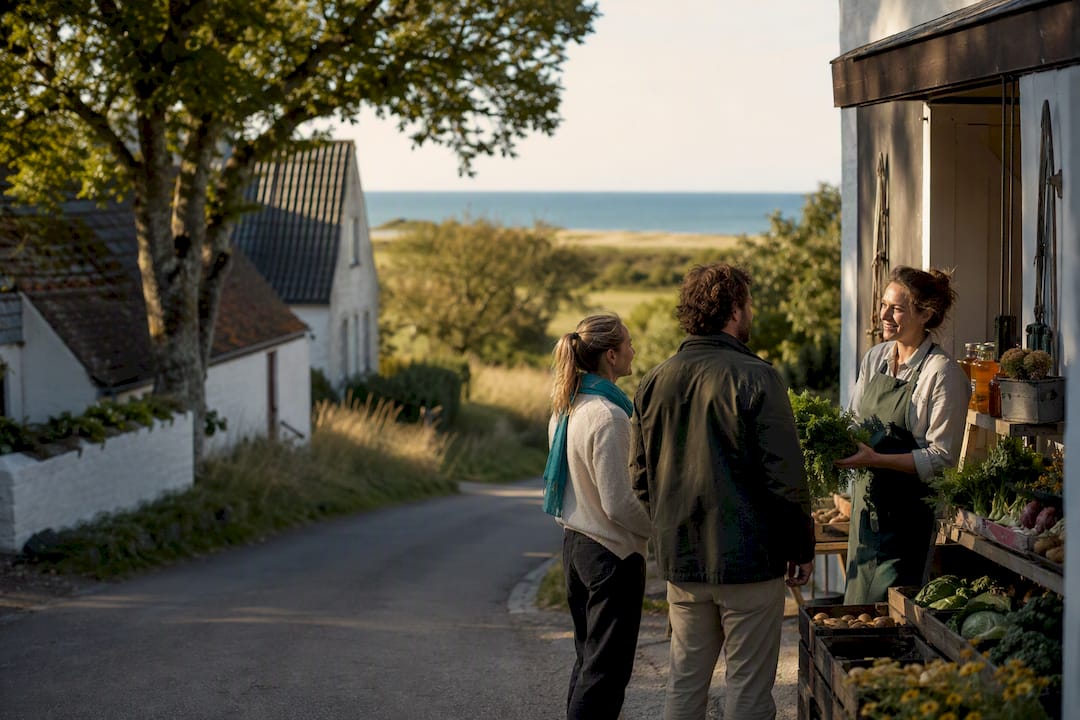
The rural areas are one of the most important parts of Danish tourism because they offer holiday homes, camping, and marinas as accommodation options for nature experiences, local events, and cultural heritage. Official speech from Statistics Denmark It confirms that holiday home and camping overnight stays constitute a large part of the total tourism. In the next sections, we will look at what you can specifically experience and how to plan your visit in the best way.
Why rural areas matter to travelers
Byferier bring museums and restaurants close to each other. Rural areas offer something different: space, tranquility, and experiences that are hard to fit into a one-hour program. It is precisely this contrast that makes the country attractive to families who want their children to experience nature, and to couples seeking a slower pace than the city.
In Danish rural areas, you typically find nature trails, coastal bathing areas, farm shops, local festivals, and smaller historical attractions. Many of them are located close to holiday home areas, making it easy to combine accommodation and experiences in the same trip. This is supported by the fact that holiday home overnight stays were around 12.6 million in 2025, which documents a significant part of Danish tourism outside urban areas.
Some travelers get more out of rural areas than others.
- Familiar with children who want space for play and short nature experiences.
- Nature enthusiasts seeking trails, coastlines, and birdlife.
- For individuals and groups who prefer peace and local culinary experiences over the city's pace.
You can read more about what local tourism concretely provides in value, in our Guide to the benefits of local tourism.
What experiences do you find in Danish rural areas
The rural areas cover much more than holiday homes. Here are the categories you typically encounter and what they offer:
- Holiday homes and summer house areas, which often lies close to the coast or forest and provides plenty of space for the whole family.
- Campsites, ranging from simple places to holiday centers with pools and activities for children.
- Marina harbors, which are relevant if you sail or want to combine a port city with land experiences.
- Nature trails and bike routes, leading through forest, dune, or river valley and suitable for everything from short walks to full-day excursions. See more ideas in ours Guide to Danish nature tourism.
- Farm visits and local food experiences, where you can buy directly from the producer or visit a farm shop with seasonal products.
- Cultural Heritage and Historical Sites, old mills, churches, and village environments that tell the story of the place.
- Local events, from autumn markets to city festivals, which often run only for a short season and are therefore worth checking the dates for.
- Family-friendly activities, such as animal parks, smaller amusement parks, and playgrounds associated with holiday centers.
If you want to see concrete examples of accommodation types that break with the traditional holiday home, you can look at our collection of unique accommodations in Denmark.
Practical planning tips for visits to rural areas
God planning is mostly about checking what actually varies: capacity, opening hours, and season. Statistics Denmark reported 10.6 million tourist overnight stays in August 2025, demonstrating how concentrated the traffic is during the summer months. It also means that holiday homes and campsites in rural areas can be fully booked on short notice during the high season.
Use these points when planning:
- Book a holiday home or campsite well in advance for the summer holiday, preferably several months before departure.
- Check booked house weeks and available capacity directly with the landlord, as small providers are not always equally visible in the national figures from the holiday home statistics.
- Arrange your own transportation to the last mile: many attractions and nature trails in rural areas are outside walking distance from public transportation.
- Check parking conditions, especially if there are local events that may occupy the space.
- Adjust according to weather and terrain, and respect private property and signage around farmland and natural areas.
Professional tip: Call or contact the landlord or attraction directly a few days before departure to confirm opening hours and availability, especially outside the peak season.
How to Travel in Denmark and How Tommy Can Help You Move Forward
A digital platform gathers experiences, attractions, and vacation types on an interactive map with filters for season, price, and participant age, so you can quickly find what suits your trip. The platform shows price estimates per. The person refers you to booking further, so you can compare options before making a decision.
This article is written by Tommy, who continuously updates guides on vacation types and nature experiences on the site. Use the map and filters yourself to check the capacity and opening hours of the places that interest you most before finalizing your plan.
The economic significance of tourism in rural areas
Tourism in rural areas is not only experiences for the guest. It is also a source of income for local businesses such as holiday home rentals, farm shops, cafes, and smaller attractions located outside the major cities. When holiday homes and campsites are booked up during the summer months, it generates revenue that would otherwise be difficult to achieve in sparsely populated areas.
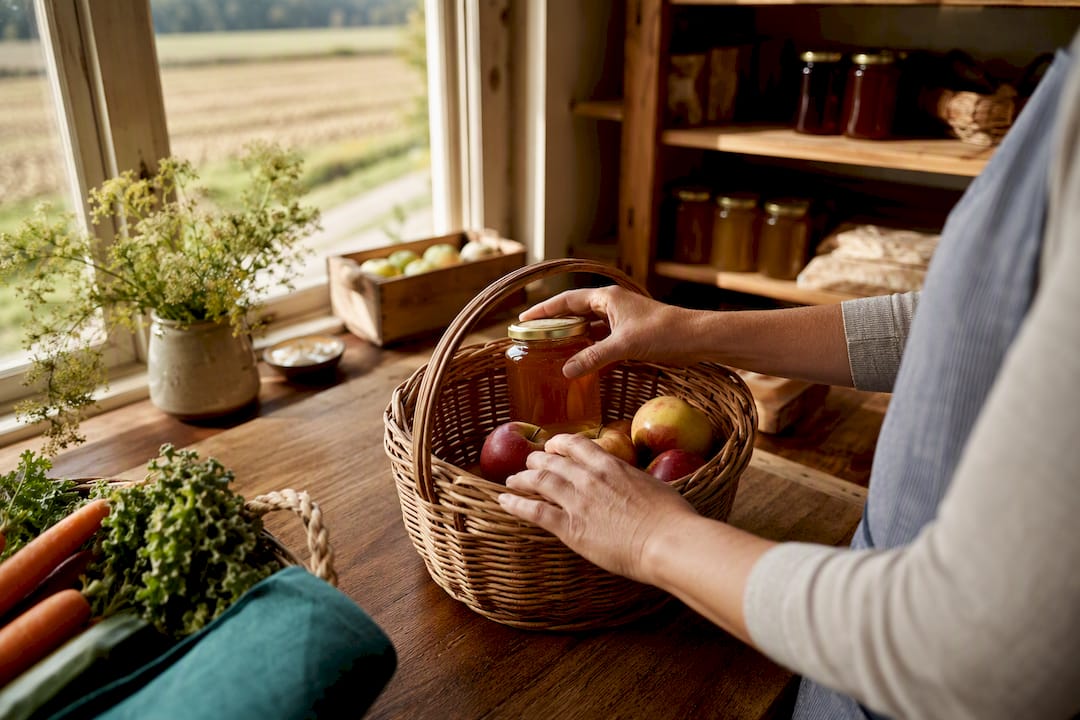
The high overnight stays during the summer period, as documented by Statistics Denmark, are directly related to local employment: staff at campsites, holiday centers, and in tourist services need seasonal workers when demand peaks. Farm shops and local food producers also gain a sales channel they wouldn't have had without visitors.
The effects are unevenly distributed. Some villages and coastal areas experience significantly more visitors than others, often because they are located near well-known natural areas or have a strong holiday tradition. This means that the economic benefit of rural tourism in practice is concentrated around certain destinations rather than being evenly spread across the entire country.
Sustainability and environmental aspects of tourism in rural areas
Rural areas attract visitors precisely because of nature and tranquility, making it important to preserve these qualities. Sliding on nature trails, pressure on coastal areas during the high season, and traffic on smaller roads are concrete challenges when many guests gather at the same time and place.
Research and development environments working with experiences and hospitality indicate that place-specific staging and collaboration with the local community are ways to sustain experiences over time, as described by the research group HOST. In practice, it is about better distributing visitors over the season and across multiple locations so that the load does not concentrate on a few popular sites in July and August.
As a visitor, you can contribute by following the signage, sticking to marked paths, and showing consideration for wildlife and private farmland. It is a small effort that makes a real difference for the natural areas, which are the very reason why rural areas are attractive to visit.
Development trends and future opportunities in rural tourism
The rural district tourism is moving towards a better connection between the countryside and the city, so that tourists can more easily combine a city trip with an excursion into nature or vice versa. An example is collaboration projects in Region Zealand, where destinations, VisitDenmark, and local partners work to create stronger experiential connections between city and countryside.
For you as a tourist, it means more options to plan a trip: a day in the city, a day by the coast, an evening at a local farm. Instead of choosing between the city or the countryside, it becomes easier to get both on the same trip.
At the same time, we see a continued increase in interest in experiences that are closer to nature and more personal than the traditional package tour, which gives rural areas a natural advantage. Vacation houses and camping are already close to forests, coastlines, and landscapes, and that connection seems to be strengthening in the future rather than diminishing.
The role and collaboration of local actors in rural tourism
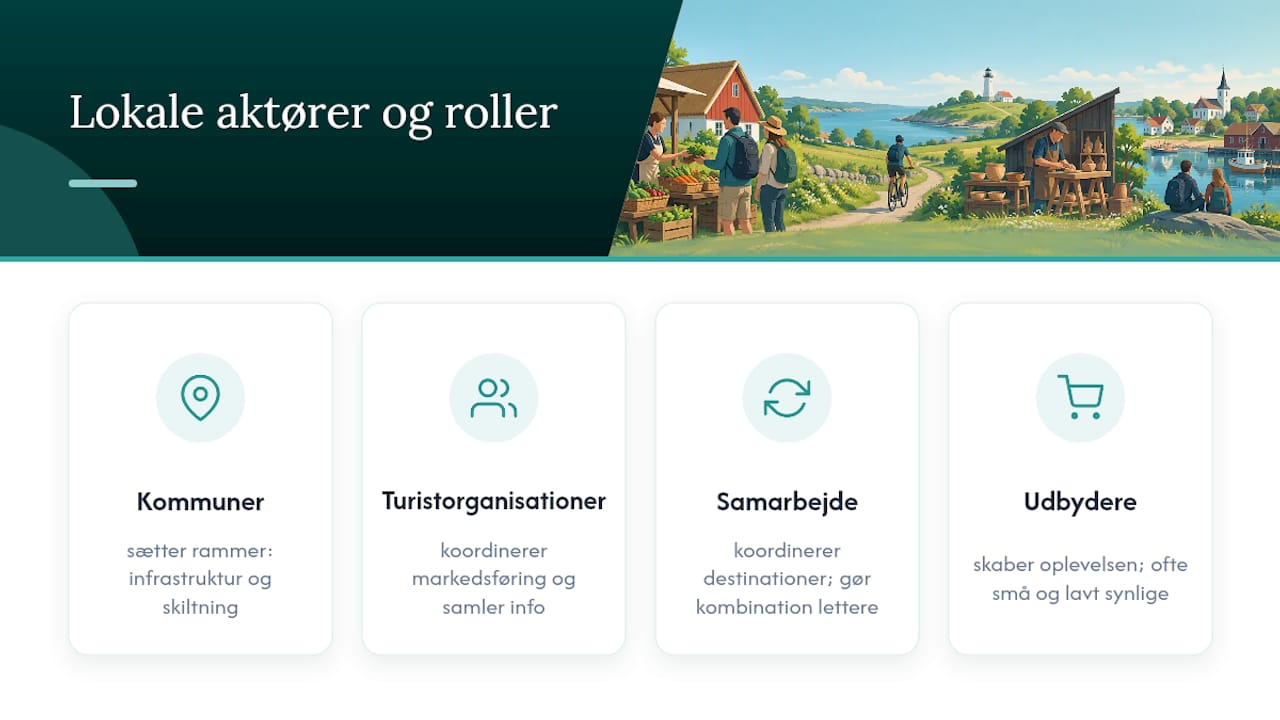
Tourism in rural areas depends on the interplay between several actors. Municipalities set the framework for infrastructure, signage, and the development of trails and facilities. Tourist organizations, such as VisitDenmark and local destination companies, coordinate marketing and gather information so visitors can find their way to the right experiences.
Collaborative projects between destinations, such as the regional project in Zealand and the islands, demonstrate that coordination among multiple actors can make it easier for tourists to combine several attractions in the same area. Without that type of collaboration, many smaller rural destinations would have difficulty being discovered by visitors who do not already know the area.
Entrepreneurs and local providers, from holiday home rental companies to farm shops, are the last and most direct link. They create the actual experience, but are often small companies with limited visibility in large statistics and search engines. That is part of the reason why it pays to check local calendars and contact providers directly when planning a trip.
Challenges and limitations of tourism in rural areas
The rural areas do not have unlimited capacity, and this is most noticeable during the summer months. Infrastructure such as roads, parking, and public transportation is often designed for the local population, not for sudden peaks in tourists. It can cause congestion around popular natural areas and beaches during the high season.
Capacity limits are also real for overnight stays. When holiday home and camping overnight stays peak during the summer period, it means that popular areas can be fully booked weeks or months in advance, while other parts of the country have available capacity.
There may also be resistance from local residents when large numbers of visitors gather in a short period, especially if it affects parking, peace, or access to natural areas that the local community uses daily. This balance between guests and the local community is an ongoing challenge that municipalities and tourism organizations must address when planning future development.
What tourists often overlook in rural tourism
The most common mistake is to think that rural areas are only relevant if you have a car and plenty of time. In reality, even a day trip from a larger city can leave a solid impression if you choose a single major experience rather than trying to do everything.
It is also a common misconception that statistics alone tell you where you should go. The DST figures show that holiday homes and camping occupy a large part of the overall tourism, but they do not tell you which small beach or farm shop is best suited for your family during that specific week. That knowledge is available from the local providers themselves.
My assessment is that the best approach combines the two: use the official figures to understand when and where tourism is at its peak, but use direct contact with holiday homes, campsites, and attractions to find the place that suits you.
— Tommy
How to find and book your own rural experience
If you're planning a trip to the Danish countryside, the easiest place to start is our Guide to planning a trip to Denmarkwhere you can filter by season, price, and age and see price estimates per. person for the different experiences. If you prefer to have a specific place to live, you can look directly at our overview of rent a summer house, where you can compare options and proceed to booking.
Both sides are built to make research faster so you can spend more time on the trip itself rather than searching.
Frequently Asked Questions
Why are rural areas important for Danish tourism?
Rural areas are important because they contain the majority of holiday homes and campsites, which are some of the most used forms of accommodation in Denmark, according to Statistics Denmark. They also provide access to nature, cultural heritage, and local events that cities cannot offer in the same way.
When is it busiest in Danish rural areas?
The summer months are clearly the busiest, and Statistics Denmark recorded 10.6 million tourist overnight stays in August 2025 alone. If you want more peace, it's a good idea to visit the rural areas outside the school summer holidays.
How do I find the best family activities in rural areas?
Use a card with filters for age and price, making it easy to sort experiences according to what suits your family. You can start research in our overview of holiday parks in Denmark, which gathers several family-friendly options.
Should I book a holiday home or camping early?
Yes, especially during the peak season, when holiday homes and campsites in popular areas are often booked several months in advance. Check available capacity directly with the landlord, as smaller providers are not always fully visible in the national accommodation figures.
Is tourism in rural areas burdensome for the local community?
That may be the case, especially during the summer months, when infrastructure and parking can be overwhelmed by many visitors in a short period. Municipalities and tourism organizations continuously work to balance the needs of guests with the daily life of the local population.