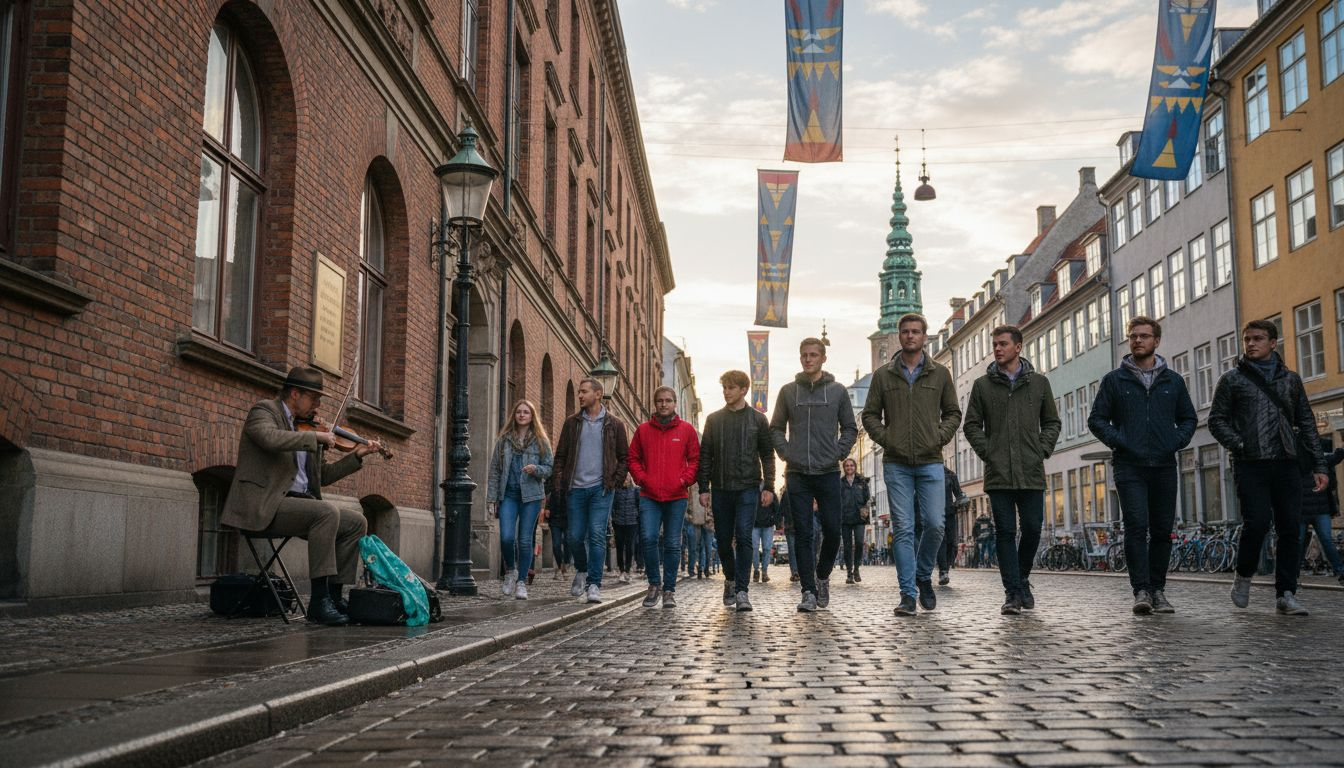
Over 80 percent of all visitors to Denmark experience that cultural activities make their trip memorable. The cultural heritage is displayed at museums, castles, streets, and festival grounds in Copenhagen, Odense, Aarhus, and many smaller towns. Whether you dream of experiencing Danish art, historic castles, lively festivals, or authentic food culture, here are concrete tips to immerse yourself in Denmark's unique cultural universe.
Visit iconic museums for deep cultural understanding
Denmark is a wonderful country with an incredibly rich cultural heritage, and the national museums offer a unique opportunity to delve into the country's deepest historical and artistic roots. By visiting these iconic museums, you can gain an almost unparalleled insight into Danish culture through generations.
Danish museums cover a wide range of topics and offer different experiences in cultural explorationFrom the national art museums in Copenhagen to the historical museums in smaller towns, these institutions allow you to explore Denmark's complex and fascinating cultural narrative.
When you visit museums, it is important to plan your trip strategically. Many museums offer guided tours, multimedia exhibitions, and interactive experiences that make learning more engaging. Choose museums that specifically match your interests in art, history, design, or technology to maximize your cultural exploration.
Highly recommended museums include the National Museum in Copenhagen, Louisiana Museum of Modern Art, and the Red Cors World Culture Museum. These places offer not only exhibitions but complete stories about Danish culture and its global connections.
Pro tip: Buy a museum pass that gives you access to multiple museums and often includes discounts, which can save you money and allow you to explore more cultural destinations in Denmark.
2. Explore historic castles and manors
Castles and manor houses are living testimonies to the country's rich historical heritage, spanning centuries of political and cultural development. These impressive buildings are not only architectural masterpieces but also serve as important windows into Denmark's complex social and historical past.
When you Exploring Danish castles and manor houses, you will discover a world full of elegance, drama, and cultural depth. Each castle tells its own unique story through architecture, art collections, gardens, and the families that once inhabited these magnificent estates.
The most notable castles include Kronborg Castle in Helsingør, best known as Shakespeare's Hamlet castle, Rosenborg Castle in Copenhagen with the royal crown jewels, and Egeskov Castle on Funen with its magnificent gardens and historical exhibitions. These places offer guided tours that provide insight into the life of Danish nobility and national history.
To have the best experience, it is recommended to plan your visit in advance. Many places have seasonal opening hours and special events, so check their official websites for the latest information and any special exhibitions.
Pro tip: Buy a combined castle and sightseeing pass, which can give you access to several historical sites at a reduced price and thus maximize your cultural exploration of Denmark.
3. Participate in local festivals and cultural events
Local festivals and cultural events form the core of Danish cultural expression and offer an authentic and lively way to experience the country's rich traditions and modern creativity. These events are much more than just entertainment; they are a window into the very soul of Danish community and identity.
Danish cultural events Spans a wide range of experiences from music and art festivals to historical reenactments and modern artistic exhibitions. Each event tells a unique story about Danish culture and gives participants the opportunity to immerse themselves in local traditions and contemporary art.
Some of the most recommended festivals include Roskilde Festival for music lovers, Aalborg Carnival for colorful street experiences, European Culture Night in Copenhagen for art enthusiasts, and the traditional St. Hans bonfire events that mark midsummer across the country.
To maximize your experience, it is recommended to research festivals well in advance of your trip. Many events require prior registration or tickets, and some only take place at specific times of the year.
Pro tip: Buy a local event pass or join guided festival tours to gain the most in-depth insights into the cultural events and save money on tickets.
4. Explore Danish art galleries
Danish art galleries are vibrant cultural hubs where modern creativity meets historical tradition. They represent much more than just exhibition spaces; they are windows into Danish artistic expression and creative thinking.
Danish art museums offer a unique insight In the national art scene with everything from classical paintings to avant-garde installations. Copenhagen is particularly rich in art galleries, with world-renowned places like the Louisiana Museum of Modern Art, located on the North Zealand coast, combining spectacular architecture with international contemporary art.
When you visit art galleries, it is important to be open and curious. Many galleries offer free tours, audio guides, or introductory lectures that can provide deep insight into the background and artistic significance of the exhibitions. Some of the most recommended galleries include ARoS in Aarhus, the National Gallery of Denmark in Copenhagen, and HEART in Herning.
To maximize your art experience, it is recommended to check the galleries' websites for special exhibitions, opening hours, and any child-friendly activities. Many places have special events such as opening receptions or artist talks.
Pro tip: Buy a museum pass that grants access to multiple art galleries and often includes discounts, which can save you money and allow you to explore more artistic destinations.
5. Join guided tours focusing on cultural heritage
Guided tours are a fantastic way to explore Danish cultural heritage in an in-depth and engaging manner. These tours allow you to look behind the visible historical facades and understand the complex stories that have shaped Danish cities over centuries.
Cultural experiences in Denmark Handling is not just about seeing sights, but about understanding the historical and social contexts. Professional guides can reveal incredible details about architecture, social movements, historical events, and local traditions that you would otherwise have missed.
Copenhagen, Aarhus, and Odense offer some of the most exciting cultural heritage tours. In Copenhagen, you can explore Christiansborg Palace, Nyhavn, and the old city districts, while Aarhus offers a mix of medieval and modern architecture. Many tours focus on specific themes such as Viking history, architectural development, or social movements.
To get the best experience, it is recommended to choose tours with certified historical guides, check the duration and difficulty level of the tours in advance, and consider group sizes. Some tours also offer specialized experiences for children or disabled people.
Pro tip: Buy tickets for guided tours in advance and be prepared with comfortable footwear, as the tours often involve a lot of walking through historic city districts.
6. Experience classical music and theater performances
Danish cultural expression flourishes vibrantly through classical music and theater art, where traditional heritage meets modern interpretation. These art forms offer a deep insight into Danish emotional and intellectual complexity.
Cultural experiences in Denmark extends far beyond museum visits and also includes live performative arts. The Royal Danish Theatre in Copenhagen and Aarhus Theatre represent two world-class stages where classical and modern theatre productions are performed to international standards.
When you choose music experiences, Denmark offers an impressive selection. From the Danish National Opera to chamber music concerts in historic churches and castle gardens, you can experience everything from baroque music to contemporary compositions. Prestigious events like the Roskilde Festival and Copenhagen Jazz Festival complement the classical music experiences.
To maximize your artistic journey, it is recommended to purchase tickets in advance, check performance schedules, and consider subscriptions that provide access to multiple shows. Many theaters and concert venues offer special discounts to students and seniors.
Pro tip: Check out the local cultural centers and smaller venues, where you can often find more experimental and intimate artistic experiences at more affordable prices.
7. Participate in culinary experiences with a cultural touch
Danish food culture is much more than just a meal; it is a living story of traditions, regional differences, and historical influences. Through culinary experiences, you can explore the deepest layers of Danish cultural identity.
Danish food traditions extends beyond classic dishes like open-faced sandwiches and meatballs. They include complex culinary traditions that reflect the country's maritime history, agricultural background, and modern gastronomic innovation.
You can experience Danish food culture through various activities such as food markets in Copenhagen, culinary walking tours in Aarhus, cooking classes in traditional kitchens, and visits to local farms and food producers. Places like Torvehallerne in Copenhagen offer an authentic culinary journey through Danish ingredients and food cultures.
To have the most in-depth experience, it is recommended to participate in cooking workshops, visit local food markets, and speak directly with chefs and producers about their food traditions. Many places offer English-speaking tours for international visitors.
Pro tip: Plan your food experiences in different regions to explore the unique culinary traditions that vary from North Jutland to South Zealand.
Below is a comprehensive table summarizing the main cultural experiences described in the article.
| Activity | Description | Pro Tip |
|---|---|---|
| Iconic Museums | Explore Denmark's history and art at museums such as the National Museum and Louisiana. | Buy a museum pass for discounts and access to more museums. |
| Historical Castles | Visit majestic castles like Kronborg and Rosenborg to learn about Denmark's noble past. | Check the castles' seasonal opening hours and special exhibitions online. |
| Local Festivals | Participate in festivals like Roskilde and Aalborg Carnival for authentic cultural experiences. | Research festivals well in advance for ticket sales and timeframes. |
| art galleries | Experience modern and classical art in galleries like ARoS and SMK. | Visit the galleries' websites for information about special exhibitions. |
| Guided Byture | Explore cultural heritage in cities like Copenhagen through certified guided tours. | Choose tours with certified guides and be prepared to walk a lot. |
| Classical Music | Enjoy concerts and theater performances at the Royal Danish Theatre and Aarhus Theatre. | Buy tickets in advance and consider theater subscriptions. |
| Mad experience | Explore Danish food culture through markets and cooking classes. | Plan visits to different regions to experience culinary variations. |
Experience Denmark's Cultural Heritage in Your Own Way
Finding the perfect cultural experiences in Denmark can seem like a challenge when you want to dive into everything from iconic museums and historic castles to lively festivals and art galleries. Many culture enthusiasts find that planning and overview of offerings are a barrier to fully benefiting from Denmark's rich cultural heritage. The article "7 Inspiring Activities for Culture Enthusiasts in Denmark" focuses precisely on this by inspiring various themes that bring storytelling, artistic depth, and local traditions to life.
Med Travel in Denmark Do you get a practical and user-friendly platform where you can easily find tailored cultural experiences. Our detailed descriptions and interactive search function make it easy to compare museums, castles, galleries, and festivals based on season, price, and participant age. Take control of your cultural journey by utilizing opportunities such as museum passes and guided city tours so you can gain maximum insight and enjoyment without wasting time on trial and error.
Don't miss the opportunity to turn your reading into real experiences. Start your cultural exploration today with our inspiring selection of cultural sights and activities, and let us help you plan an unforgettable journey through Denmark's diverse cultural world.
Frequently Asked Questions
What are the most recommended museums to visit in Denmark?
Visit the National Museum, Louisiana Museum of Modern Art, and the Red Cross World Culture Museum to gain deep insight into Danish culture and art. Consider buying a museum pass to access more museums and save money.
How can I participate in local festivals in Denmark?
Research festivals such as Roskilde Festival and Aalborg Carnival, and purchase tickets well in advance, as many events require prior registration. Sign up for updates about upcoming festivals to stay informed.
Which castles and manors should I visit during my trip to Denmark?
Kronborg Castle, Rosenborg Castle, and Egeskov Castle are among the most impressive castles to explore. Plan your visit by checking the official websites for opening hours and any guided tours.
How do I find cultural events like music and theater in Denmark?
Keep an eye on programs from the Royal Danish Theatre and local concert venues for upcoming performances. Check their websites to buy tickets and get information about discounts for students and seniors.
What options do I have to experience Danish food culture?
Participate in cooking classes or visit local food markets to experience Danish food traditions. Plan to visit places like Torvehallerne in Copenhagen to taste authentic Danish ingredients and dishes.
How can I find guided city tours focused on cultural heritage in Denmark?
Search for tours in Copenhagen, Aarhus, or Odense that focus on historical themes. Make sure to book tickets in advance and choose tours with certified guides for a deeper understanding of the cultural heritage.
Recommendation
- 7 inspiring examples of cultural activities in Denmark – Travel in Denmark
- Understanding Cultural Experiences in Denmark – Travel in Denmark
- 7 tips for experiences all year round in Denmark for everyone – Travel in Denmark
- 7 inspiring ideas for your weekend activity list – Travel in Denmark
- 7 نوع اساسی از آهنگهای سنتی آلمانی برای رویدادها – گروه اوومپاه