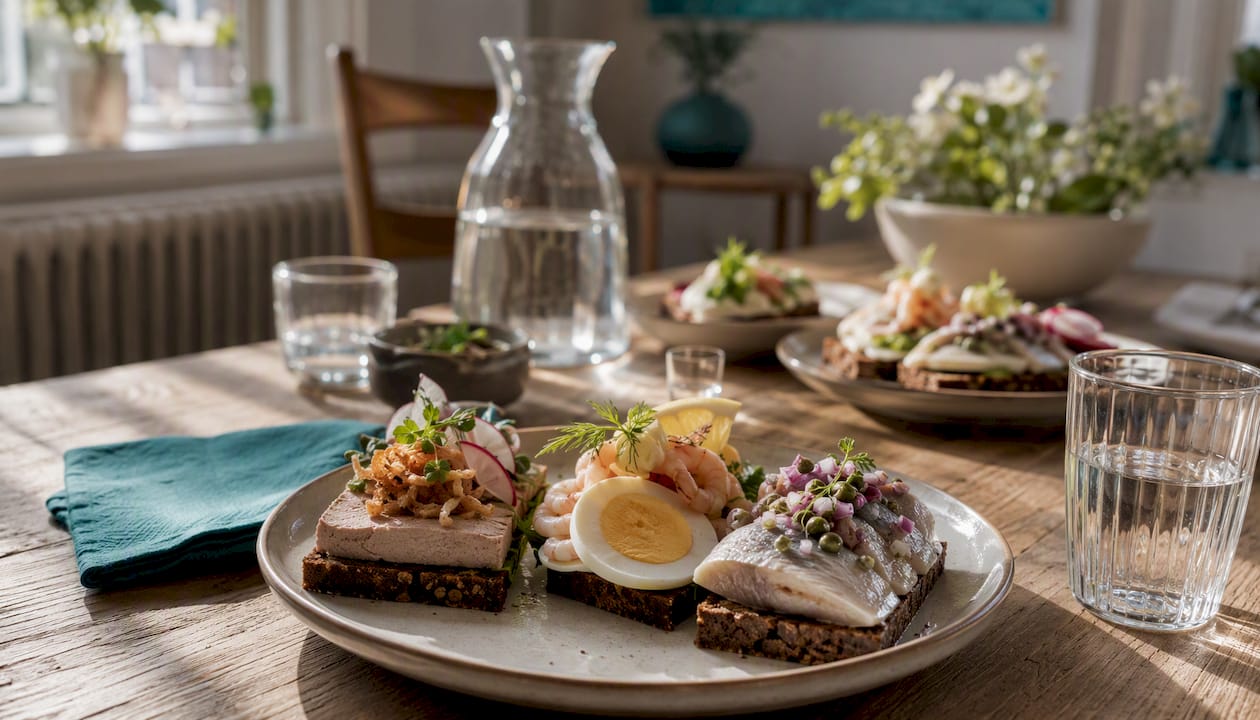
Danish food culture is the sum of the dishes, ingredients, and eating habits that have developed in Denmark throughout history, from medieval porridge dishes to today's busy everyday kitchens. The core is still rye bread, open-faced sandwiches, and respect for seasonal ingredients, but The speech of the food culture shows a daily life characterized by quick preparation and pre-cooked foods. The traditions continue, but they have gained a new pace.
How has Danish food culture historically developed?
Denmark's food culture is shaped by a cold, humid climate and an agriculture that for centuries relied on a few hardy crops. Corn, root vegetables, and pork became the backbone of the kitchen because they could be cultivated and stored through long winters. The Fiskeriet along the coasts was supplemented with herring, cod, and eel, which still appear in traditional dishes.
The deal has also left its mark. As early as the Middle Ages, trade connections brought spices and new methods to Denmark, as evidenced by historical texts such as the medical book written by Henrik HarpestrengThe Hanseatic trade routes made it possible to import goods that otherwise did not exist in the Nordic climate, and Danish cuisine early on became a mixture of local ingredients and foreign influences.
The industrialization at the end of the 19th century and the beginning of the 20th century changed a lot. The move from countryside to city meant that fewer households produced their own food, and industrially produced goods such as flour, sugar, and canned foods became a permanent part of the kitchen. At the same time, new norms for meal times and cooking times followed as more women entered the workforce.
The post-war period brought about real change. The 1950s and 1960s gave Danes access to refrigerators, freezers, and a growing selection of imported raw materials, which loosened the seasonally based cooking that had characterized previous generations. Convenience products and international dishes began to find their way into Danish kitchens, a development that has continued since then in line with globalization.
The main driving forces behind the development of Danish food culture are:
- Climate and agriculture has historically limited the raw material base to grains, root vegetables, pork, and fish.
- Trade and foreign contact Introduced spices and new techniques already in the Middle Ages.
- Industrialization and urbanization Moved food production away from home and into factories and stores.
- Post-war prosperity Provided access to refrigeration technology and international raw materials, which significantly changed everyday food.
This historical development is the background for the food culture that the Danish cuisine on Wikipedia describes as a combination of old preservation techniques and an increasingly international everyday life.
Which dishes define Danish cuisine?
Some dishes recur so often that they almost function as symbols of Danish identity. They are not necessarily advanced, but they tell a story about how Danes have historically managed with what the country could provide.
The rye bread is the very foundation. It is cheap, filling, and durable, and for centuries it has been the main part of everyday meals. On the rye bread, Danes build their toppings: liver pâté, herring, cheese, or cold cuts, depending on the season and occasion.
The open-faced sandwich is the more formal version of rye bread. It's not just a piece of bread with toppings, but a small composition where layers of butter, protein, garnish, and sauce follow unwritten rules about what belongs together. Traditionally, open-faced sandwiches are eaten for lunch, and they have a clear social function: a neatly arranged open-faced sandwich plate signals care, whether it is served in a canteen or at a fine restaurant. The variations range from the simple liver pâté sandwich to the more elaborate versions with shrimp, eggs, and mayonnaise.
Meatballs are probably the dish that most Danes associate with homemade everyday food. The fried meatballs made of minced pork and beef, often served with potatoes and brown gravy, appear on dinner tables across all age groups and social classes. Fried pork belly with parsley sauce has a similar status to a everyday classic, directly based on the country's pork production. Pork roast is one of the more festive dishes and is a staple at Sunday dinners and holidays, while the Danish pastry, despite its name, is a Danish specialty developed by Danish bakers, which today is internationally known as part of Danish baking craftsmanship.
What these dishes have in common is that they have adapted to a faster everyday life. Meatballs can now be bought pre-made from the refrigerated section, rye bread is available as industrial baked goods, and open-faced sandwiches are sold pre-spread for lunch. Traditions continue, but the method has often become a shortcut.
The most recognizable Danish dishes are:
- Rye bread with toppingsThe fundamental element of everyday life, eaten for breakfast and dinner.
- Open-faced sandwichA composed lunch dish with fixed rules for layers and decoration.
- MeatballsFried meatballs, which are among the most common dinner meals.
- Fried pork belly with parsley sauceA classic everyday dish made with pork and potatoes.
- Pork roasta roast, often served during holidays and Sunday dinners.
- Danish pastry, a Danish baking tradition that is now known far beyond the country's borders.
How do Danes eat dinner today?
Rye bread with toppings is actually still the most common dinner in Denmark. The Food Culture's report on the top 10 dinner meals in 2025 shows that the dish is eaten by a smaller portion of the population on a typical day, placing it at the top among Danes' preferred dinner meals.
70% of all Danish dinner meals are prepared in 30 minutes or lessAccording to Madkultur25. It says something central about how traditions today coexist alongside a pressured everyday pace. A significant portion of the meals are prepared in under 15 minutes.
It doesn't mean that homemade food is disappearing. Most Danes, according to the same survey, have homemade food for dinner, and the shift towards ready-made meals seems to have stabilized after a period of rapid development from 2015 to 2025. What drives the quick meals is largely the use of prepared ingredients: a large portion of Danes use prepared food products to ease the cooking process, indicating that the speed is not only due to time pressure but also a conscious choice to make cooking simpler.
This development has implications for how recipes and traditions are passed down. When one-third of the meals are prepared in under a quarter of an hour, classic long-term dishes like roast pork or stews are more likely to be reserved for weekends and celebrations, while everyday life is dominated by quick variations of the same basic ingredients.
The pattern in modern Danish eating habits can be summarized as follows:
- Rye bread with toppings Topper listens during evening meals in Denmark.
- 70% of the meals Prepared in half an hour or less.
- 33% of the meals Clear in under 15 minutes.
- Eight out of ten Still gets homemade food in the evening, even with time pressure.
- Three out of four User prepared food products as a fixed part of the preparation.
What is the movement The New Nordic Kitchen about?
The New Nordic Kitchen is a culinary movement that focuses on ingredients from the Nordic region, seasonal variations, and sustainability in cooking. The movement was based on a manifesto with clear principles: use local and seasonal ingredients, avoid unnecessary imports, and let nature and geography define what ends up on the plate. Fisk, wild herbs, root vegetables, and fermented products took a central place, often prepared with techniques borrowed from old preservation methods such as pickling and smoking, as described in the overview of Danish cuisine on Wikipedia.
The movement has had a great impact on Denmark's international gastronomic reputation. It functions both as a culinary direction and as a form of national branding, which has elevated the country's status as a gastronomic destination, cf. the coverage of ScienceRestaurants that build on these principles have attracted international guests to Denmark and have raised awareness of Nordic ingredients far beyond the country's borders.
At the same time, the movement has been criticized for being difficult to practice in the ordinary home kitchen. The techniques and rare ingredients that characterize many innovative dishes require time, knowledge, and access to specific products, which the vast majority of households neither have the desire nor the opportunity to prioritize in a busy everyday life. It has also been pointed out that the movement primarily appeals to an elite of gourmet enthusiasts rather than the general population.
The most important features of the New Nordic Cuisine are:
- Local and seasonal raw materials more than imported alternatives.
- Old preservation techniques Pickling, smoking, and salting are used in new contexts.
- International recognition, which has strengthened Denmark's position as a gastronomic destination.
- Limited everyday usebecause techniques and raw materials rarely fit into a quick everyday kitchen.
Professional tip: If you want to experience the New Nordic Cuisine without having to make it yourself, a lunch or dinner at a restaurant that works with Nordic ingredients is the easiest way in.
Are there regional differences in Danish cuisine?
Denmark is a small country, but the food culture still varies from region to region, often influenced by what nature locally has to offer. Coastal areas and islands have historically lived close to fishing, while inland farming traditions have been built around grains, livestock, and root vegetables.
Bornholm is known for its smoking tradition, where smoked herring, the so-called "Sun over Gudhjem," has become a local hallmark that today attracts visitors to the island's harbors. Jutland has historically been characterized by agriculture and cattle breeding, which is reflected in dishes with beef and dairy products. Fyn and the smaller islands have a tradition of fruit cultivation, especially apples, which are used in everything from desserts to jams, while the southern islands also have their own varieties of open-faced sandwiches and cold cuts traditions.
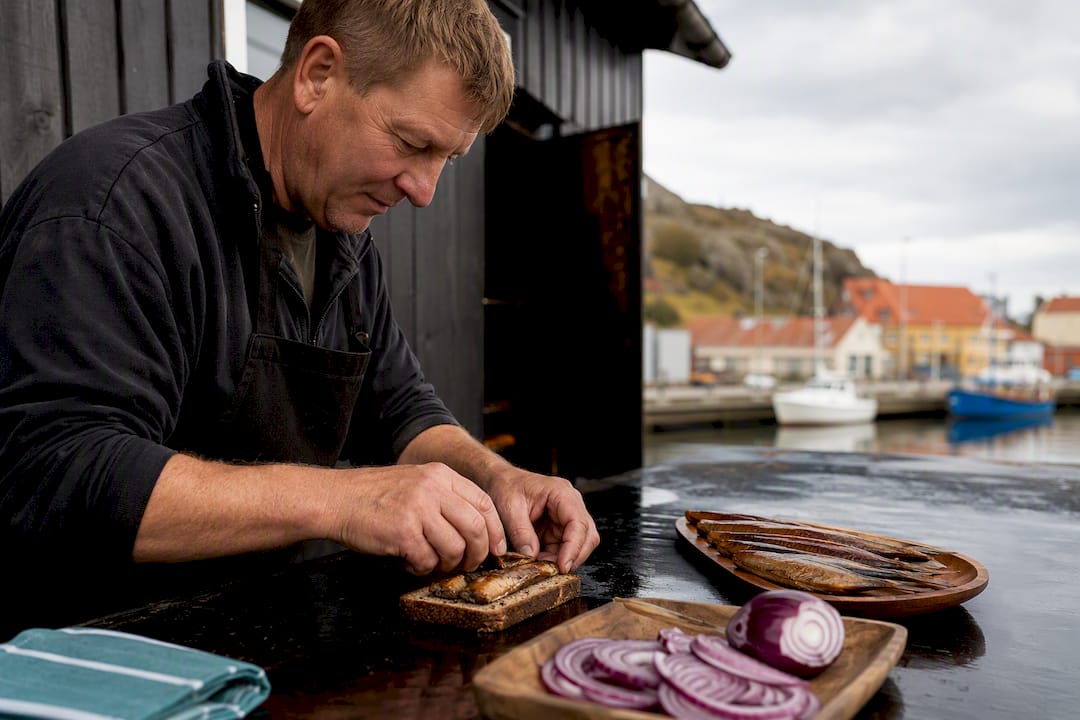
Local festivals and producers play a role in keeping these differences alive. Markets and food festivals across the country often highlight local specialties, and smaller producers of everything from cheese to beer contribute to ensuring that regional taste differences do not disappear as supermarket chains standardize their offerings. For travelers who want to dive deeper into these differences, a review of regional specialties from all over Denmark A good starting point.
The most distinctive regional features are:
- Bornholmsmoked herring and a strong smoking tradition at the harbors.
- JutlandBeef and dairy products from a long agricultural history.
- FineFruit cultivation, especially apples, used in desserts and jams.
- The islands in generaltheir own variants of open-faced sandwiches and local topping traditions.
Which dishes are associated with Danish holidays and celebrations?
Food plays a central role when Danes celebrate holidays, and certain dishes are so closely associated with specific occasions that they almost define them. Meals are not just about taste, but about gathering family and friends around a shared ritual.
- Christmas party It is probably the most developed food tradition. It typically consists of several courses served in phases: herring with various marinades, liver pâté, roast pork, medister sausage, and a variety of open-faced sandwiches, often followed by rice pudding as dessert. The Christmas party is just as much a social event as a meal, and it is often held several times in December, both privately and at workplaces. Travelers who want to understand the tradition better can find more details in The guide to what you eat at Christmas in Denmark.
- Easter lunch Reminiscent of the Christmas party in structure, but with a lighter touch. Herring, eggs, new greens, and spring products like wild garlic often appear, and the meal marks the transition from winter to spring in the Danish food calendar.
- Sunday dinner and birthday traditions has a more subdued, but just as firm place. Pork roast or other roasted dishes are classic Sunday meals, while birthdays are traditionally celebrated with layer cake and often with buns or homemade baked goods for breakfast coffee.
What these traditions have in common is that they create fixed points in the year where families and friends gather around a table, and where the dishes themselves become part of the memory of the celebration.
Why do raw materials and seasons still matter?
Traditionally, Danish dishes have been governed by what the land and sea could provide at a given time of year. Pork, potatoes, grains, fish, and vegetables such as cabbage and root vegetables have formed the core of the cuisine because they could be grown or caught locally and stored through the winter.
Storage required technology. Salting, smoking, and pickling were historically necessary methods to keep food edible for months, and these techniques still explain the flavor profile in many traditional dishes, as described in the overview of Danish cuisine. Today, the same methods are no longer used out of necessity, but as a cultural and culinary identity marker, appearing in both farm shops and fine restaurants.
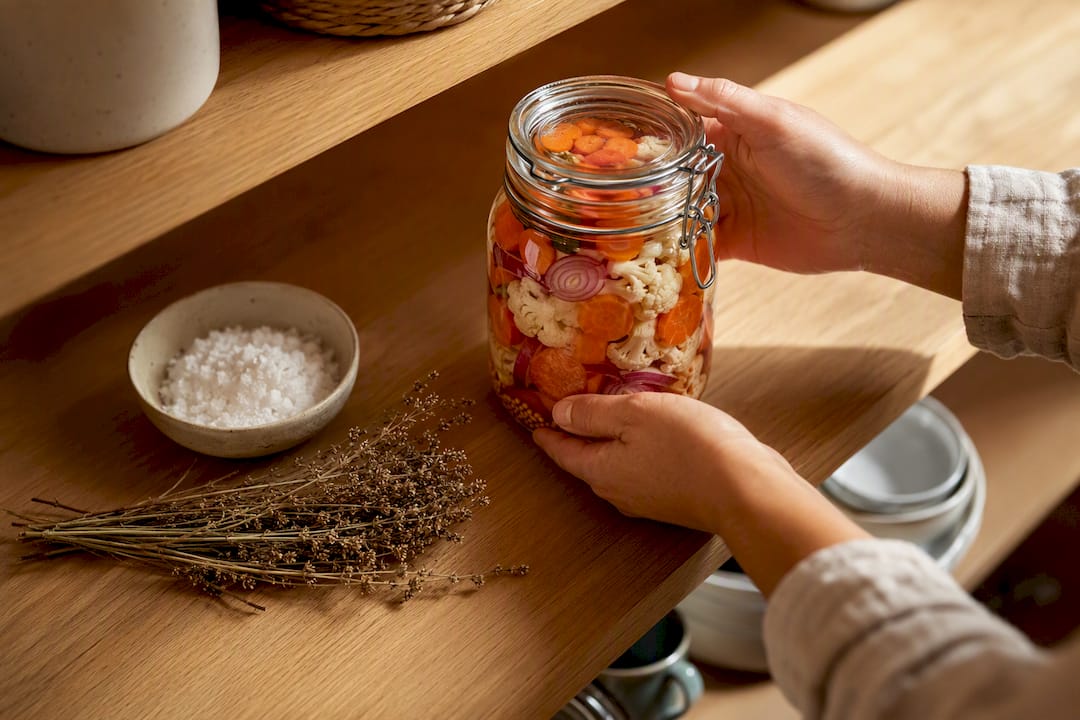
In recent years, there has been a renewed interest in local and foraged ingredients. More Danes and restaurants are seeking out wild herbs, mushrooms, and berries, and farm shops with locally produced goods are gaining popularity as a counterbalance to the standardized supermarket shelves. This movement directly connects to The New Nordic Kitchen's focus on seasonality and locality, but it also finds its way into ordinary households seeking more variety in everyday life.
The role of raw materials in Danish food culture can be summarized as:
- Pig, potatoes, and grains has historically formed the basis of everyday food.
- Fish and shellfish from the coastlines, supplemented with protein and flavor.
- Salting, smoking, and pickling the old preservation techniques, which today are used as flavorings rather than necessity.
- Sinking and local production Emerges as a modern counterreaction to standardized supermarket food.
Where can visitors experience Danish food culture?
For travelers who want to experience Danish food culture in practice, markets, inns, and local festivals are often the best starting points. A food market offers the opportunity to taste several specialties at once, while a traditional inn serves classic dishes like fried pork belly or meatballs in their most authentic form. Local festivals, often centered around seasonal ingredients such as herring, apples, or new potatoes, provide insight into regional differences that can otherwise be difficult to discover on one's own.
Navigating the vast array of options can, however, be overwhelming, especially for international visitors who are not familiar with local traditions in advance. Here, a guide portal with maps and filters can make it easier to find food experiences that match the theme of the trip, whether you're looking for a historic inn, an annual food market, or a restaurant focused on Nordic ingredients. A broader introduction to how food culture can be part of a journey can be found in the article about The role of the food culture in travel.
The most tangible ways to experience Danish food culture include:
- Local food markets, where multiple producers and specialties gather in one place.
- Traditional croissants, serving classic dishes in their original form.
- Seasonal festivalsbuilt around specific raw materials such as herring or apples.
- Guided food experiences, which gathers multiple aspects of food culture in one visit.
Traveling in Denmark gathers several of these options in an overview of local food experiences in Denmark, where travelers can find specific suggestions depending on where they are in the country.
What does food actually mean for the Danish community?
Danish food culture is fundamentally about community as much as it is about taste. The rye bread on the everyday table and the many dishes of the Christmas lunch connect generations, and most Danes can recognize a meatball or a piece of open-faced sandwich as part of their upbringing, regardless of where in the country they come from.
For visitors, the most authentic experience rarely lies in the most polished restaurant, but in the ordinary: a inn, a market, a family’s lunch table. Such meetings give a sense of how the traditions are actually used, not just how they are presented.
Moving forward, Danish food culture will probably continue to balance between quick everyday solutions and a growing interest in local, seasonal ingredients, a tension that already characterizes both home kitchens and the restaurant industry.
— Tommy
How to plan your own food experiences in Denmark
Travel in Denmark gathers experiences from all over the country in one interactive map with filters for location, season, and price, making it easy to find food-related excursions that suit your specific travel plan. Whether you're looking for a historic pub, a local market, or an experience built around Nordic ingredients, you can search directly for it instead of manually browsing through scattered sources.
If you want to combine food with other experiences along the way, you can find inspiration in our review of Gastronomic experiences that make your Denmark trip more memorableStart your planning with Explore experiences in Denmark and find the food experiences that suit your next trip.
Frequently Asked Questions
What characterizes Danish food culture the most?
Danish food culture is based on rye bread, open-faced sandwiches, and seasonal ingredients such as pork, potatoes, grains, and fish. It is shaped by historical factors such as climate and conservation, but modern data shows that everyday food today is dominated by quick preparation, with 70% of meals made in under 30 minutes.
What do Danes most often eat for dinner?
Rye bread with toppings is the most common dinner in Denmark, according to the Food Culture survey for 2025, eaten by a small portion of the population on a typical day. Meatballs and other classic everyday dishes are also high on the list of fixed favorites.
What is the New Nordic Cuisine?
The New Nordic Kitchen is a culinary movement focused on local, seasonal ingredients and sustainability, which has strengthened Denmark's international gastronomic reputation. However, the movement has been criticized for being difficult to practice in the ordinary home kitchen because the techniques and raw materials require more time than a busy everyday life often allows.
Which dishes should visitors try in Denmark?
Rye bread with toppings, open-faced sandwiches, meatballs, fried pork belly, and roast pork are considered the most iconic dishes in Danish cuisine. They are typically found at local pubs, food markets, and restaurants that work with traditional or Nordic ingredients.
How do I find good food experiences in Denmark as a tourist?
Markets, farms, and seasonal festivals are among the best places to experience authentic Danish food. A guide portal with maps and filters makes it easier to find these experiences all in one place, tailored to location, season, and interest.