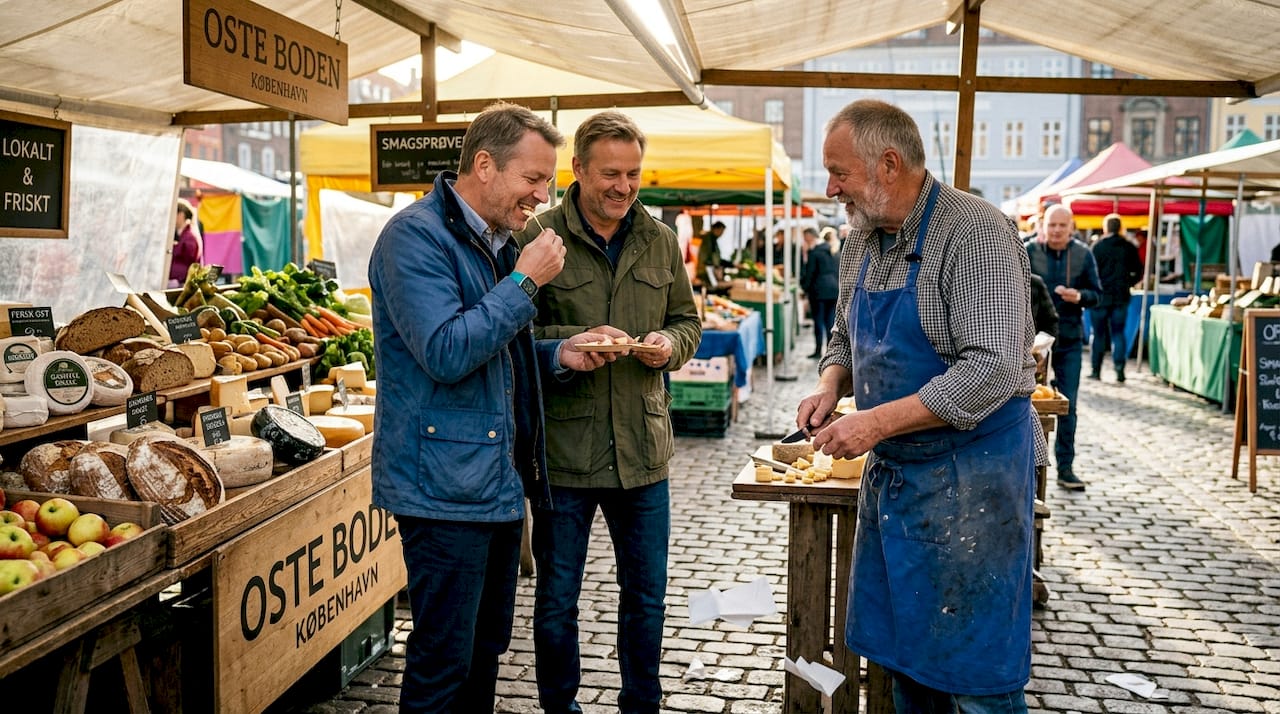
TL;DR:
- Authentic Danish food experiences are based on local ingredients, seasonal awareness, and cultural anchoring.
- Markets, farm shops, and foraging provide direct contact with producers and nature.
- The best memories are often made in the close and unpredictable, not at Michelin restaurants.
It's easy to end up at a restaurant that serves the same as all other tourist spots. Authentic local food experiences require a bit more than a quick Google search, but the reward is enormous. Denmark has a rich and diverse culinary universe, ranging from wild herbs in North Zealand's forests to freshly caught fish in Bornholm and flavorful farm shops in Jutland. This article provides you with concrete criteria, examples, and comparisons so you can navigate confidently and find the experiences that truly connect you with Danish food and culture.
Main Points
| Point | Details |
|---|---|
| Know the local criteria | Authentic food experiences are based on local ingredients, seasons, and collaboration with producers. |
| Explore where the food is made | Markets, farm shops, and nature walks provide the closest encounter with Danish food culture. |
| Choose according to your interests | From foraging to events – there are local food experiences for every taste and curiosity. |
| Plan with guides and tips | Create overviews and checklists to make the most of your culinary trip in Denmark. |
How to spot a genuine local food experience
No one wants to pay for an experience that is just a tourist trap with a local flag on it. Fortunately, there are clear signs that distinguish the genuine from the fake.
An authentic local food experience is built on three pillars: local ingredients, seasonal awareness, and anchoring in the surrounding landscape and local culture. These principles are at the core of The New Nordic Movement, who has put Danish food culture on the world map. When a producer or restaurant works with the best of the season and collaborates directly with local farmers and fishermen, you can taste it.
Direct contact with the producer makes a huge difference. When you can ask the person who cultivated the carrots about the soil conditions and growing methods, you are close to something genuine. These are exactly the kinds of meetings you find at markets and farm shops around the country.
Here are the most important signs of an authentic experience:
- The raw materials are named and locally produced
- The menu or selection changes with the season
- The staff can tell the story behind the food.
- The place collaborates with local farmers, fishermen, or foresters.
- There is a clear regional identity in flavor and presentation.
You can advantageously use Madland Guide an encyclopedia It gathers hundreds of verified producers and sales outlets so you don't have to guess.
Local food experiences are based on New Nordic principles, seasonality, and sustainability. It's not just a buzzword, it's a way of life that permeates the best food establishments in Denmark.
From regional Danish dishes It varies greatly from region to region, and it is precisely that variation that makes it exciting to explore. Plaice from Fanø tastes different from the one from Øresund, and it's no coincidence.
Professional tip: Visit markets early in the morning. The best producers sell out quickly, and you also have the opportunity to speak calmly with them before the rush hour begins.
Feel free to combine market visits with nature-based experiences Nearby. It gives a sense of the whole of the place you are visiting and enhances the connection between nature, raw materials, and flavor.
Market life and farm shops: Taste Denmark where it all begins
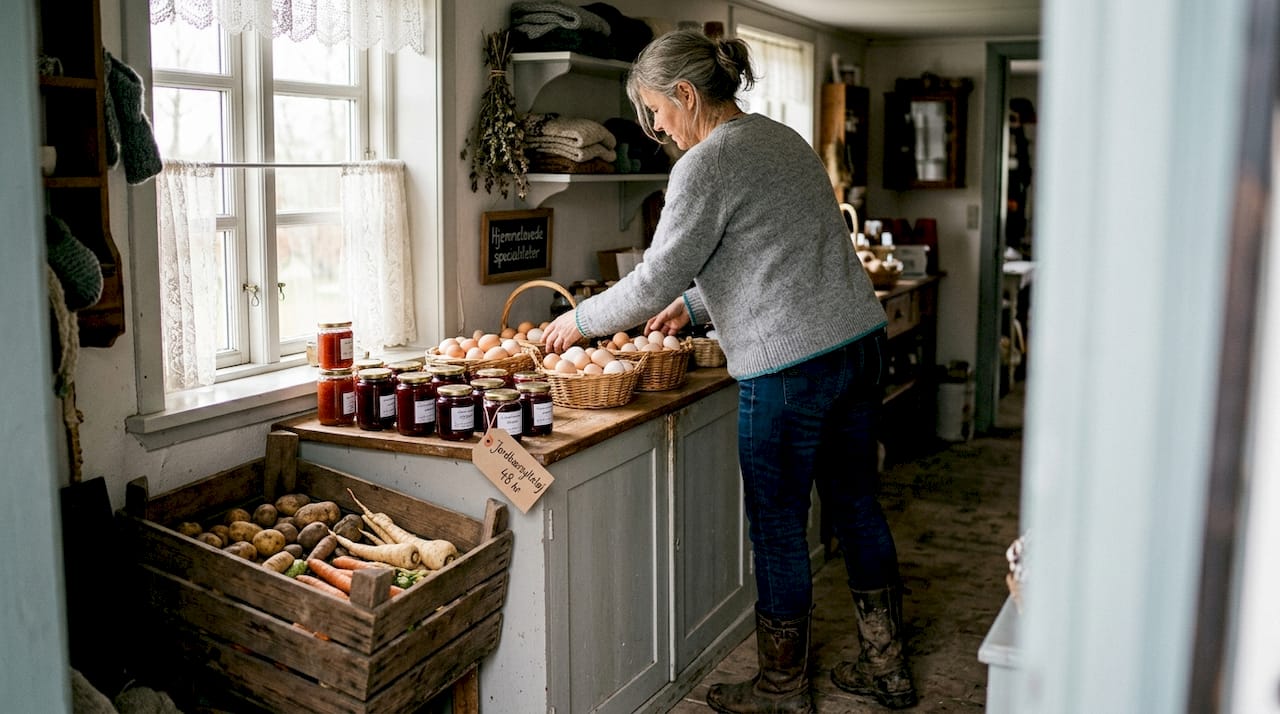
Markets and farm shops are the country's food culture in its most direct form. Here, the producer sells their own goods, and you can taste, ask, and choose carefully.
The Torvehallerne in Copenhagen is the most famous example, but it is far from the only one. Aarhus Street Food offers a wide variety of local and international flavors in a relaxed atmosphere. Throughout the country, you will also find open farm days where you can see the production with your own eyes and buy directly from the source.
| Location | Type | What you find | Best time |
|---|---|---|---|
| Torvehallerne, Copenhagen | Marked | Ost, fish, greens, craft food | Saturday morning |
| Aarhus Street Food | Street food market | Local and international dishes | Thursday to Sunday |
| Bornholm farms | Farm shop | Smoked fish, fruit, beer | Summer and autumn |
| Fejø Fruit Plantations | Farm shop | Apples, pears, cider | August to October |
What can you expect in a good market? Freshness is the key word. The products are typically harvested or produced within the past few days, and the selection precisely reflects what is in season. You meet passionate people who are passionate about their craft, and it is contagious.
Special events such as open garden days and tastings are worth their weight in gold. Here you get insight into the production and the opportunity to try things you would never find in a supermarket. Madland Guide lists over 300 local producers, farm shops, and markets in Denmark, so you can always find something near your destination.
If you visit Denmark in December, Danish Christmas markets An obvious opportunity to combine culinary experiences with the season's atmosphere.
Professional tip: Always ask the producer when the next delivery or harvest will be. Many farm shops do not update their website in real time, but the staff know exactly when the freshest goods arrive.
Do you want more inspiration for adventure experiences in DenmarkYou will find continuously updated guides and recommendations that match the season and region.
Foraging and food in nature: When you find the ingredients yourself
Foraging is the art of collecting wild edible plants, mushrooms, and berries in nature. It is one of the most sensual and direct ways to experience Danish nature and culinary tradition.
Foraging is legal on public lands in Denmark, and nature offers an impressive variety. From wild garlic in the beech forest to sea buckthorn along the coast and chanterelles in the coniferous forest. It's not just a trend, it's a deep connection to the landscape where the food comes from.
Foraging and natural food are experienced as part of the New Nordic wave and offer authentic contact with the Danish landscape in a way that no restaurant can replicate.
Here are five popular destinations and types of experiences:
- Bornholm Guided sanketure with local chefs using found ingredients directly in cooking
- North Zealand Forest tour focusing on herbs, berries, and mushrooms in Gribskov and Dyrehaven
- The Wadden Sea Beach planters and mussels along the west coast with guided tours
- Djursland Eco-farms and bison farms where you can see and taste alternative Danish meat
- Møn: Klinteskoven offers wild plants and a dramatic natural setting
| Destination | Season | What you reap | Difficulty level |
|---|---|---|---|
| Bornholm | Summer/Autumn | Herbs, mushrooms, berries | Let to the middle |
| North Zealand | Spring/Autumn | Wild herbs, chanterelles | Let |
| The North Sea | Summer | Beach planter, mussel farmer | Middle |
| Djursland | All year round | Bison, organic meat, green | Let |
Eating your own food in a Danish forest and having the same meal that evening is an experience that affects the body in a completely different way than a restaurant dinner.
Many guided Foraging in nature includes a cooking lesson afterwards, where you learn to prepare the caught one. It gives the experience an extra layer and sends you home with new skills.
Local food on the plate: From farm to table at restaurants and events
Restaurants and food events are where local ingredients and culinary craftsmanship come together at the highest level. It's not enough to have good ingredients; you also need a chef who knows how to let them shine.
Several Danish restaurants have built their entire identity on close collaborations with local producers. The menu changes weekly or even daily depending on what is in season and available from nearby farms. It is a model that requires trust and flexibility from both parties.
Here are examples of what you can expect:
- Restaurants with weekly changing menus based on local deliveries
- Pop-up dinners at farms and in nature with the producer as host
- Mad festivals focusing on a specific raw material or region
- Cooking classes and workshops where you learn to make Danish classics from scratch
Denmark's Food Destinations 2.0 develops 18 culinary events for tourists focusing on local ingredients and producers. It is a concrete sign that the local food scene is growing and becoming more professional.
A good example is Conspiracy Chamber Halsnæs, who works with local ingredients and shares recipes based on the best of the season from North Zealand. Such initiatives show how food and place can be closely intertwined.
Professional tip: Book madevents and pop-up dinners well in advance. The most sought-after events are typically sold out weeks in advance, and waiting lists are common during the summer season.
Food festivals are a perfect opportunity to taste a wide variety in one day. You meet many producers and chefs gathered in one place and can quickly get an overview of the region's food culture.
Summary comparison: What suits your food experience style?
Now that you know the different types of food experiences, it's time to match them with your own preferences and travel style.
| Experience type | Characteristic | Switch to |
|---|---|---|
| Markets and farm shops | Direct contact, fresh raw materials | Curious, familiar, shoppers |
| Foraging in nature | Active, sensory-rich, guided | Natural lovers, adventurers |
| Restaurants with local ingredients | Culinary level, comfort | City enthusiasts, stop |
| Food events and festivals | Wide selection, social | Groups, first-time guests |
The choice depends on your travel style, season, and region. If you visit Bornholm in the summer, foraging and farm shops are ideal. If you are in Copenhagen during the winter months, markets and restaurants are the natural choice.
| What you want | Recommended experience | Best season |
|---|---|---|
| Meet the producer | Farm shop or market | Spring to autumn |
| Active nature experience | Foraging tur | Summer and autumn |
| Culinary immersion | Restaurant or event | All year round |
| Broad overview | Food festival | Summer |
The options range widely from markets to foraging to restaurant experiences, all focusing on local ingredients as the central theme. The most important thing is to take the first step and seek out what sparks your curiosity.
Start small. Visit a market, buy a product directly from the producer, and feel the difference. From there, the interest grows by itself.
The surprising thing about Danish food culture – and why the best experiences are close
There is a widespread belief that the best dining experiences require a reserved table at a Michelin-starred restaurant. We do not agree. The experiences we remember the most are rarely the most expensive.
It is the conversation with the old beekeeper at a market in Thy that explains how heather honey tastes different from clover honey. It is the guided edible plant tour where the chef suddenly stops and shows you a plant you've passed by your whole life without knowing it was edible.
Everyday food as an experience is underrated. Local passionate individuals and producers carry knowledge and passion that no restaurant menu can fully convey. The encounter with them is the very experience.
Choose the near and unpredictable. Let yourself be surprised by a small market you hadn't planned to visit. It's often there that the best memories are created.
Ready for your next food experience? Get more inspiration for Denmark
If this article has whetted your appetite, there is much more to explore. rejsidanmark.dk Find a wide collection of guides and resources to help you plan your next culinary trip in Denmark. Whether you are a first-time guest or an experienced Denmark traveler, our Guide to food and travel adventures a solid starting point If you want to plan a specific day with food experiences, you can use our Checklist for a day trip to ensure that you get everything. Enjoy tasting your way through Denmark.
Frequently Asked Questions
What characterizes an authentic local food experience in Denmark?
Authentic food experiences are based on local, seasonal ingredients and close contact with producers or nature, often rooted in New Nordic principles.
Where can I find an overview of markets and farm shops?
You will find over 300 markets and farm shops collected in Madland Guide, both digitally and as a physical directory.
What types of food experiences can I try as forager or in nature?
You can gather herbs, berries, and mushrooms or visit organic farms and bison farms and participate in guided foraging tours with cooking lessons.
Are there food events and festivals focused on local cuisine?
Yes, 18 festival events for tourists are under development through Denmark's Food Destinations 2.0, and many destinations already offer festivals dedicated to local produce.
How can I get started with local food experiences as a visitor?
Start by visiting local markets or farm shops, then book guided tours or food events to delve deeper into the local food culture.