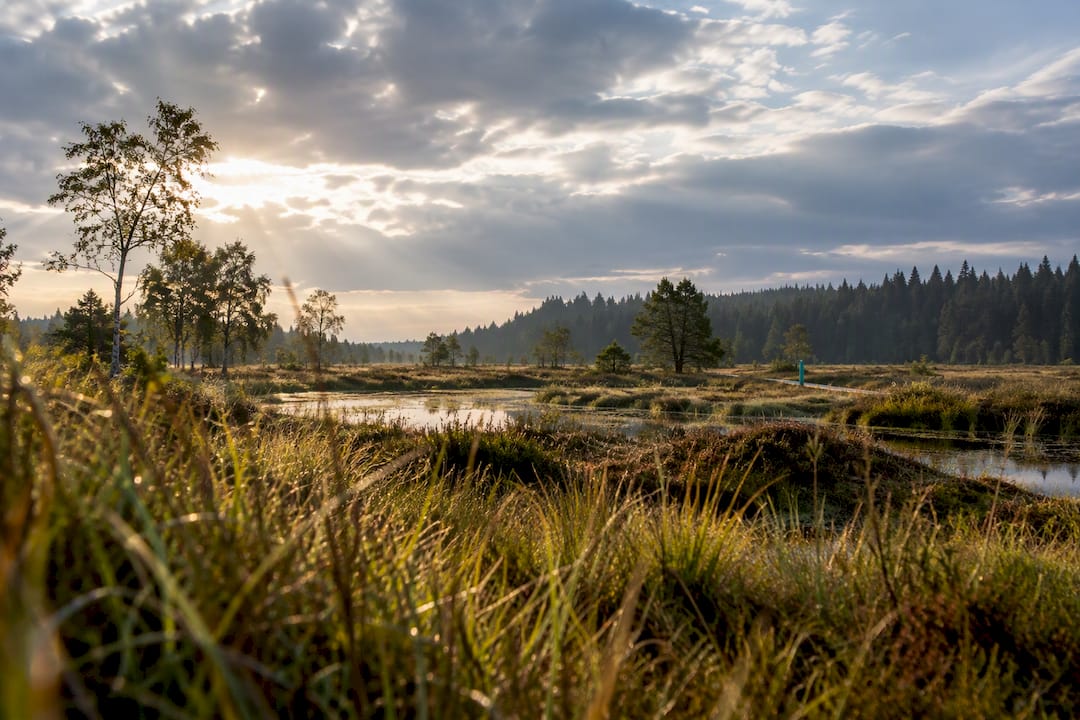
National parks are important because they protect and restore connected nature, increase biodiversity, preserve cultural heritage, and create frameworks for responsible outdoor recreation. The National Park Act obliges the parks to do just that: larger natural areas, restored hydrology, and untouched forests that provide space for more species. The profit goes over the park's fence. Research, local communities, and visitors all benefit from allowing nature to operate according to its own rules.
The purpose of national parks: what should they actually achieve?
The National Park Act states that the parks shall create and ensure larger connected natural areas, preserve the quality and diversity of nature, and at the same time support research, education, and communication. It is stated directly from The purpose clauses of the Act, the binder of nature conservation together with cultural history and local development in one integrated framework.
The law also requires each park to develop a national park plan (§18), which describes natural values, specific goals, and the efforts needed to achieve them. The plan prioritizes which types of nature receive the most attention and how local interests are involved in the decisions.
A creation only makes sense when the area has values of national or international significance. It may be a rare type of nature, a continuous landscape without precedent, or species that require space, which no ordinary forest or protected area can provide. The Ministry of Environment's description of national parks emphasizes that the parks should simultaneously strengthen communication and provide local development opportunities, not just protect nature in isolation.
Why protect national parks: the mechanisms behind biodiversity
A large, cohesive area changes everything. When animals and plants do not have to navigate through divided fields and roads, fragmentation decreases, and more species find suitable habitats. That is the core reason why national parks and biodiversity are so closely linked.
Restoration of natural hydrology is one of the most tangible measures. When the drains are removed and the water is allowed to stand in the landscape again, small lakes, bogs, and wet meadows form, which many specialized species depend on. The Ministry of Environment's material on nature national parks describes exactly this combination of recreated water, untouched forest, and year-round grazing as the central tool in Danish nature national parks.
Untouched forest is another turning point. When trees are allowed to die and remain standing or fall down, dead wood in large quantities is created, which normal forestry never leaves behind. The dead wood is a habitat for fungi, insects, and cavity-nesting birds, which otherwise have difficulty finding space in a production forest.
Stores herbivores such as cattle and horses, which graze outdoors all year round, create mosaics of tall and low vegetation, open patches, and shrubs. The variation allows for many more species than a uniform, undisturbed forest would.
- Connected areas reduce fragmentation and increase dispersal opportunities for species
- Reconstructed hydrology provides habitats for specialists of wet natural types
- Untouched forest and dead wood serve as habitats for fungi, insects, and birds.
- Year-round grazing animals create a varied landscape with both light and shadow
Professional tip: If you want to see the effect of year-round grazing yourself, look for areas with clear open clearings in the middle of the forest. It is often a sign that large herbivores have been active.
Nature national parks also serve as long-term monitoring laboratories. The Nature Agency's assessment report of five nature national parks indicate that the measures with fences, large grazers, and untouched forest are new in the Danish context but point to a significant potential to contribute to both national and international biodiversity goals. This type of systematic monitoring provides managers with data that regular nature management could never provide, because the effects only become apparent over decades.
Cultural history and landscape: more than just wild nature
National parks are not just about plants and animals. It also highlights geological formations, ancient monuments, and cultural landscapes that tell the story of how humans have used nature over the centuries. A burial mound, an ancient dyke system, or traces of former agriculture become part of the overall story that the park conveys.
Conveying local history also strengthens local identity. When a park tells about the local fishing, agriculture, or settlement history, the visit becomes more than a walk; it becomes an experience with roots.
- Geological formations such as cliffs, moraines, and stream valleys are preserved as part of the park's landscape.
- Historical monuments and cultural sites are integrated into signage and educational materials
- Local traditions and historical trades are part of the park's story for visitors.
The national park plans often incorporate cultural values directly into their objectives, so that the protection of an old dyke system or a protected building stands side by side with the nature goals, not as an afterthought.
How to get the most out of a visit to a national park
God communication is what transforms a trip into nature into an experience that one remembers. Most parks use a combination of tools to make nature accessible without degrading it.
- Visitor Centers Provides an overview of the park's history, species, and current nature projects before you go out into the actual terrain.
- Signage along routes talks about specific species, habitats, or cultural traces you pass along the way
- Guided tour With nature guides, you often discover experiences you wouldn't find on your own, such as rare bird species or hidden ancient monuments.
- School programs Give children an early and concrete understanding of the connections in nature
Scheduled access, with marked paths and zones where movement is restricted, also protects the most vulnerable areas. It's not to keep people out, but to ensure that the same nature is still there in ten years.
Professional tip: Always check the park's current rules for dogs, bicycles, and camping before you go. The rules vary from park to park and often change according to the season.
Local development: how national parks create businesses
Nature experience-based tourism is a real source of income for local businesses around the parks. Hikers, cyclists, and families looking for a day trip need a place to stay, eat, and shop, and this creates a demand that local entrepreneurs can build upon.
The balance is not always simple. The national park plans must also ensure that business development does not come at the expense of the natural values that the park was established to protect. There is an ongoing balancing act between visitor numbers, infrastructure, and the carrying capacity of nature.
- Guided tours and nature guiding as a local service offering
- Sustainable accommodation options close to the park's access points
- Local food producers and farm shops that sell directly to visitors
- Communication activities and events that attract visitors outside the high season
When it works best, the national park becomes an economic resource for the entire local area, not just an attraction for tourists, but a part of the local identity and income.
Forvaltning: hvem bestemmer, og hvordan måles fremskridt?
The responsibility for a national park is shared among several stakeholders. The Ministry of Environment sets the overall legislative framework, while a local national park board, often with representatives from municipalities, landowners, and interest organizations, is responsible for the daily prioritization and specific decisions.
The national park plan is the central governing document. It describes natural values in detail, sets concrete goals for the coming years, and lays out an action plan that shows which steps will be taken and when. The plan must also document how local citizens and organizations have been involved in the process, not as a formality, but because local acceptance is crucial for the park's long-term success.
The effects of nature restoration rarely show quickly. Restored hydrology can take several years to stabilize, and untouched forests only develop their full value as habitats over decades. That is why the Nature Agency's FAQ on national parks emphasizes that the parks should be viewed as long-term projects with ongoing monitoring, not as a one-time effort with quick results.
Practical use: plan your visit with Rejsidanmark
Understanding why a national park is important is one thing. Actually getting there and experiencing it is another. A website can combine map functions, filters, and detailed guides that make it possible to find specific routes, activities, and family-friendly experiences in and around Danish natural areas.
Sites Guide to Danish national parks Collects information about routes, nature experiences, and practical advice targeted at families who want to plan a trip without spending hours on research. If you only have a single afternoon, you can instead look at Inspiring nature experiences in Denmark, that does not require a whole day trip.
- Location-based search can make it easy to find nature experiences close to where you live or vacation.
- Filtering by season and age can help find activities suitable for families
- Guides to both well-known and lesser-known natural areas can provide an overview without requiring prior knowledge.
Perspektiv: nationalparkernes rolle i fremtiden
Denmark's nature national parks are still a relatively new tool, and there is no reason to downplay it. The methods of fencing, large grazers, and restored hydrology have been tested internationally, but in the Danish context, they are still young enough that we do not yet know the full long-term effects. It's not a weakness, which is exactly why systematic monitoring matters so much.
I believe the biggest challenge will be the size of the area, not good will. Denmark is a small and intensively utilized country, and even the most ambitious nature national parks are small in international comparison. Compared to Swiss National Park Decades of strict protection and untouched natural development, the Danish projects are still in their early stages. It does not mean that they are less valuable, but it means that expectations for speed need to be adjusted.
The real test will be whether local acceptance holds when conflicts with agriculture, forestry, or other land use pressures arise. Here, ordinary citizens and local associations actually have a voice, through the involvement that the national park plans are obliged to ensure. Use it.
— Tommy
Plan your next visit with Rejsidanmark
Some websites offer comprehensive maps, filters, and guides that can make it easier to plan visits to Danish national parks. It can help find routes and activities that suit different families or holiday plans. Before packing the backpack, it's worth taking a look at the Practical travel tips for Denmark, collecting the details that are easily forgotten, from weather and equipment to local regulations. Find your next national park experience and see what awaits the next time you go out into nature.
Sources
The full text of the National Park Act, including its purpose and requirements for national park plans, can be found at FAOLEX. The Ministry of Environment describes the specific tools of the nature national parks on mim.dk, while the Nature Agency answers practical questions about management in its FAQ on nature national parks. The assessment report according to IUCN's standard for protected nature is available at the Danish Nature Agency.
Frequently Asked Questions
Why are national parks important for biodiversity?
National parks create large, connected natural areas where restored hydrology, untouched forests, and year-round grazing animals provide space for more species than fragmented nature can. The Ministry of Environment's description of nature national parks shows that this combination is the central instrument in Danish parks.
What is the purpose of a national park plan?
The national park plan describes the natural values of an area, sets concrete goals, and lays out an action plan for how the goals will be achieved. The obligation is stated in section 18 of the National Park Act, which also requires the parks to involve local residents and organizations.
How do national parks contribute to local development?
Nature experience-based tourism creates demand for accommodation, guided tours, and local foods, providing income to businesses around the park. The national park plans must also ensure that economic development does not harm the natural values.
How do I plan a visit to a Danish national park?
Start by checking the park's current rules for trails, dogs, and camping, and use a map-based tool to find routes that suit your time and physical level. Rejsidanmark collects guides and filters that make it easy to find family-friendly routes and activities in and around Danish national parks.
How long does it take for nature restoration in national parks to show effects?
Restored hydrology and untouched forest develop their full value as habitats over several years to decades, not months. The Nature Agency's FAQ on national parks describes the parks as long-term projects with ongoing monitoring.