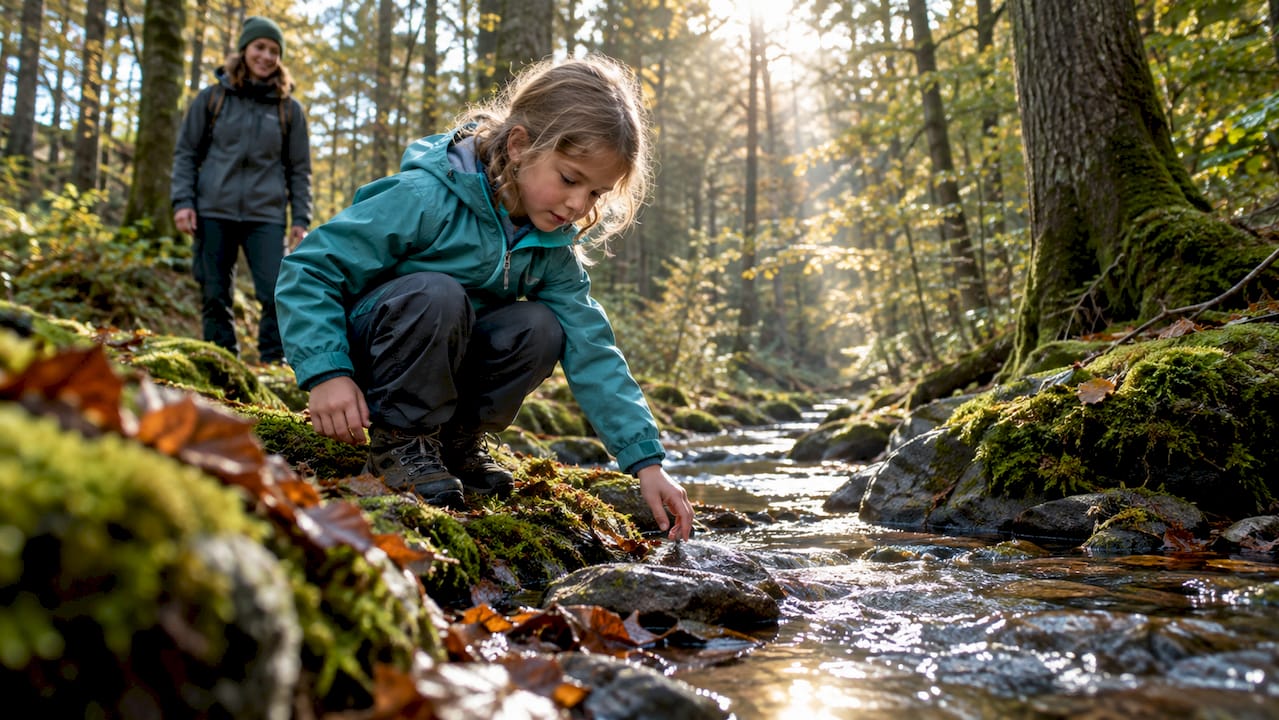
Exploring nature promotes mental well-being, enhances learning in children and adults, and increases engagement in protecting what we explore. The effects are documented by both environmental research and health authorities. Read on for concrete evidence, pedagogical ideas, and activities you can start today.
What does research say about the effect of nature on health and well-being?
Nature seems like a sanctuary for both body and mind. Green spaces promote physical activity, social contact, and mental recovery, and Nature-based solutions simultaneously improve air, soil, and water quality.according to the European Environment Agency (EEA). The effects are not the same for all types of nature.
The quality of nature means more than most people think. Art richness enhances the sensory experiences you get from a visit, which explains why a species-poor lawn feels different from an old deciduous forest with bird song and insect hum. The more life, the more the brain has to work with.
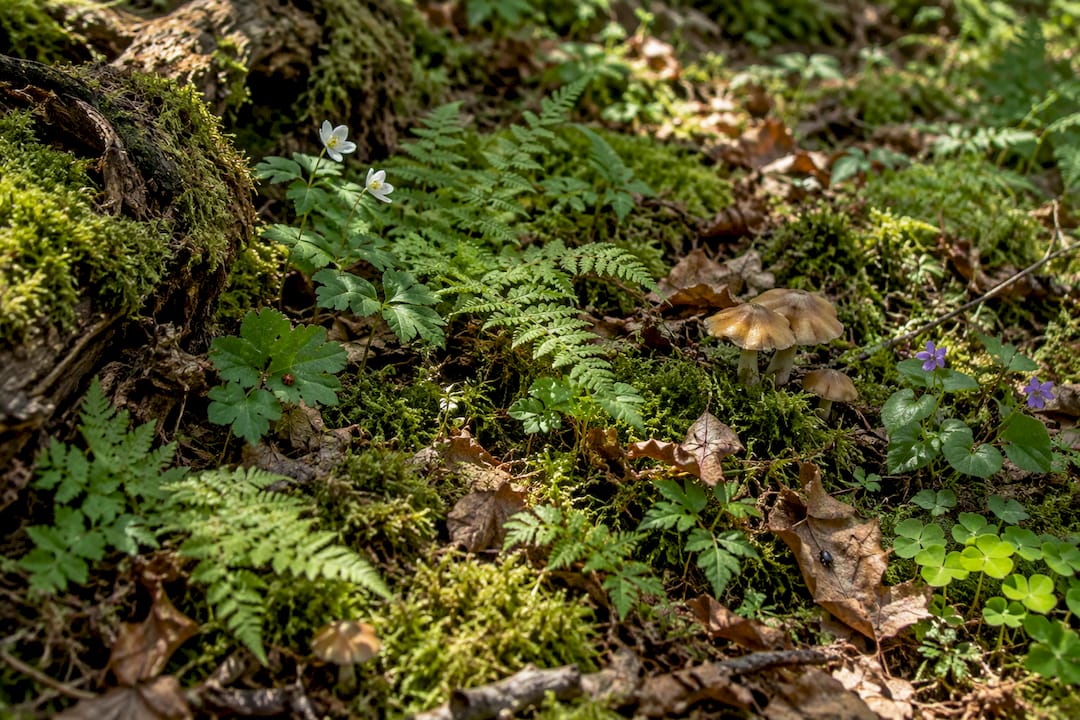
It is linked to a concerning development: Europe's biodiversity is overall in poor and deteriorating condition, primarily due to land use, pollution, and climate change. It makes it especially relevant to get to know nature while there is still something to discover.
Status: According to the EEA, nature restoration can lead to significant socio-economic and health benefits, but the effect varies depending on the management and accessibility of the area.
The main points from the research:
- Nature visits reduce stress and support mental recovery, especially with repeated visits to the same area.
- Artistic nature provides a stronger wellness effect than monotonous green areas.
- Nature restoration benefits both biodiversity and human health at the same time.
- Access and management quality determine how effective the actual impact will be.
How do play and investigative activities strengthen children's curiosity?
Children learn best when they are allowed to explore things themselves. Federal Environment Agency, the German environmental authority I recommend practical and investigative learning over chalkboard teaching, and their materials show that children remember much more when they have touched the earth themselves, caught a beetle, or followed a stream.
The research project ChildEmp confirms the pattern on a deeper level: repeated, close contact with nature shapes children's empathy and their long-term relationship with animals and plants. A child who has personally followed a frog's development in a pond has a completely different relationship with amphibians than a child who has only seen it in a book.
Three types of activities work particularly well:
- Observation — Sit still for five minutes and note what moves, sounds, or smells.
- Experiment — examine a soil sample, measure water temperature, or compare two different leaves.
- Story — the child "retells" an animal species or a plant as a little story after observation.
Adjust the difficulty level according to age: the youngest handle sensory experiences alone quite well, while older children can start keeping a simple log of their discoveries. Concrete ideas for child-friendly nature experiences Already arranged according to age groups.
Can regular visitors contribute to real research?
Yes, and it requires neither training nor equipment. Citizen science, often called borgerforskning, uses data from thousands of ordinary nature enthusiasts to monitor developments that researchers would otherwise not be able to oversee alone. Such scattered, long-term observations are especially valuable for tracking changes in species distribution and the arrival of spring year by year.According to Videnskab.dk.
Three types of projects you can start right away:
- Art registration — Take photos and report animals, plants, or fungi you encounter during a walk.
- Phenology — noting when trees bloom, birds return home, or the first butterflies appear.
- Water quality — target clarity, temperature, or oxygen level in a nearby lake or stream.
Most projects are conducted through apps or web portals, where you simply specify the type, location, and date. In a time of rapid climate change and declining biodiversity, such data are often the closest scientists get to a real-time picture of what is actually happening out there.
How do you explore without harming nature?
Curiosity and responsibility go hand in hand if you know the simple rules of the game. Leave nothing but footprints, keep a good distance from animals and their young, and respect barriers in protected areas, even if the trail seems tempting to shortcut.
There is a direct connection between experience and recovery. Nature-based solutions can deliver real health benefits, but only when the projects are well designed and managed. more than overused A well-visited, well-maintained natural area benefits both visitors and the ecosystem, while an overused area loses value for both parties.
Thumb rule for a gentle visit:
- Stay on marked trails, especially during the breeding season in spring.
- Take all waste home, including biodegradable waste.
- Do not pick rare plants or move stones and branches that insects use as habitats.
- Hold dogs on a leash where required.
Professional tip: Let children discover the rules themselves rather than just hearing them. Ask "what do you think will happen if we go off the trail?"Instead of saying "you must not." Curiosity remains intact, and the rule sticks better.
What outdoor activities can you start with today?
You don't need a whole day off to get started. The activities below are divided according to how much time you have.
5 to 10 minutes of observations
- Stand still somewhere and count how many different sounds you can distinguish.
- Find three different leaf shapes and guess which tree they come from.
- Note the temperature and weather, and compare with a week later.
1 to 2 hours of exploration exercises
- Start a species diary with sketches or photos of everything you encounter.
- Record natural sounds on your phone and listen to them again at home.
- Take a soil sample from two different locations and compare color and texture.
Day trip project
- Choose a natural area with varied terrain, forest, coast, or meadow.
- Combine observation, a packed lunch, and a short talk about what you have seen along the way.
- Share your best find with family or friends afterward, preferably with a picture.
Nature-based initiatives provide the greatest health benefits through repeated local visits rather than single excursions far away. A couple of hours in the same forest each month often results in one big trip a year. Remember the mapped terrain, suitable footwear, and a plan for turning back if the weather changes. In Step-by-step guide to nature experiences can help organize a whole day.
Journey in Denmark's perspective: why we encourage discovering nature
We see every day how much difference it makes when families and educators choose a natural area instead of yet another screen. Nature doesn't require perfect planning to provide value, only that you go out there. Our maps and filters are specifically designed to make it easier to find the right place, whether you have five minutes or a whole day.
— Tommy
Find and plan nature experiences with Rejs in Denmark
An interactive map with filters for season, price, and age group gathers nature experiences across the country in one place. There is a price estimate per. person, age recommendations and concrete descriptions, so that the user knows what to expect before the lunchbox is packed. Our Nature experiences in Denmark guide It gathers both well-known natural wonders and more hidden places, suitable for both families with young children and adults seeking peace.
If you want to combine a nature trip with overnight stays and good food along the way, Inspiration for combining accommodation and gastronomy give ideas to extend the experience over an entire weekend. Start with The checklist for the Denmark trip And find your next nature goal today.
Sources
- The importance of restoring nature in Europe | European Environment Agency (EEA)
- Experience and learn about the ground | Federal Environment Agency
Frequently Asked Questions
Why is it healthy to explore nature?
Nature visits promote physical activity, social contact, and mental recovery, and the effect is documented by the European Environment Agency. The effect, however, depends on how species-rich and well-maintained the area is.
How do children get the most out of nature experiences?
Children learn best through independent investigation rather than explanations alone, which the Federal Environment Agency supports with practical teaching materials. Observation, experiments, and storytelling are three simple methods that work across ages.
What is citizen science, and how does one participate?
Citizen science means that ordinary people collect data about species, weather, or water quality for researchers. You typically report observations through apps or web portals, and such data are especially valuable for tracking changes over time.
How do I find nature experiences close to where I live?
Travel in Denmark gathers nature experiences across the country on an interactive map with filters for season, price, and age group, so you can quickly find something near you. The nature experiences in Denmark guide for specific suggestions.
Does visiting nature often harm it?
No, not if you follow simple rules like staying on the trails, keeping distance from wildlife, and taking your trash home. Well-managed natural areas can actually provide more health benefits when visitor numbers and management go hand in hand.