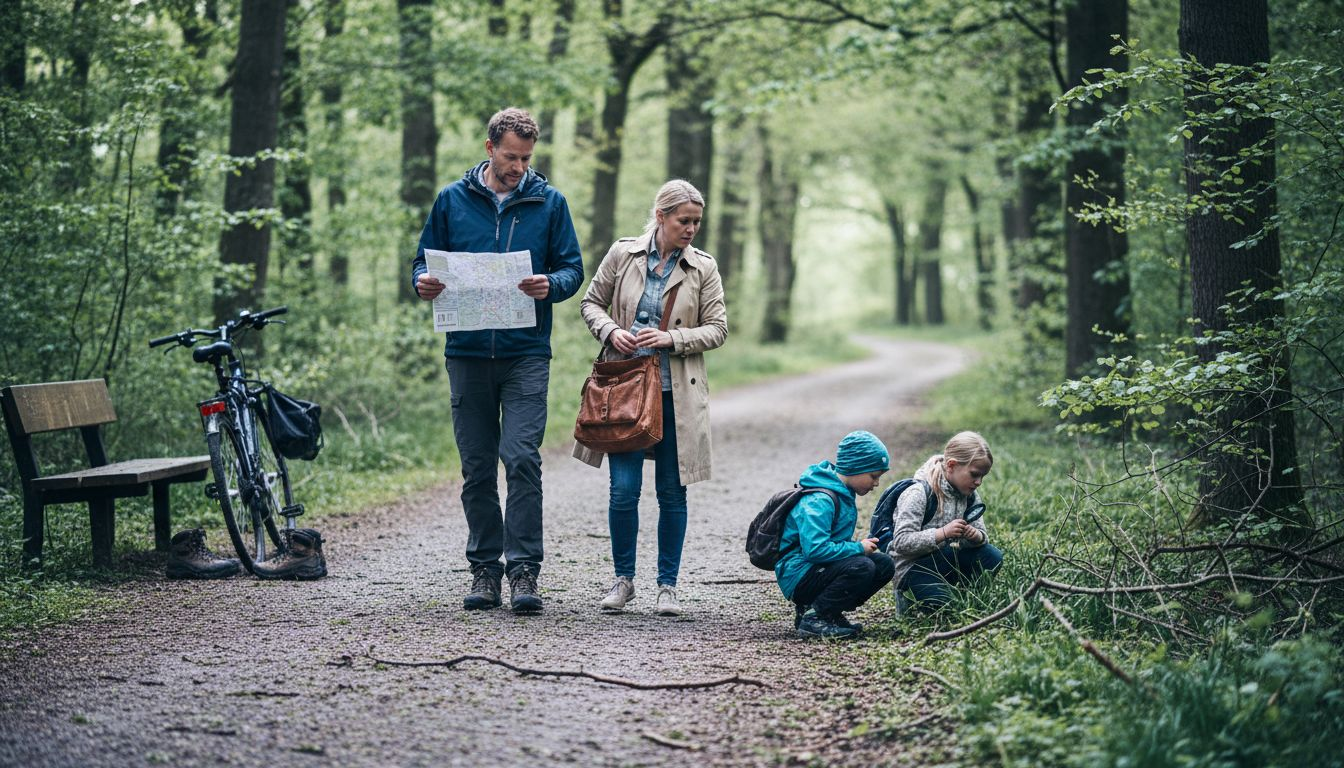
Every summer, many Danish families with children face the search for activities that both excite the youngest and create unforgettable experiences together. Nature parks in Denmark offer a wealth of opportunities where safety, child-friendly facilities, and exciting nature experiences go hand in hand. Here you can combine fresh air with play, learning, and closeness to nature, while exploring the beautiful, protected surroundings and creating new holiday memories as a family. Nature parks are designed for family-friendly experiencesSo there is both space for adventure and tranquility for both adults and children.
Nature parks in Denmark – purpose and definition
Nature parks in Denmark are unique protected natural areas with a strategic purpose to preserve, communicate, and promote our national landscape heritage. Danish nature parks It is a certification scheme administered by the Danish Outdoor Council, covering larger contiguous natural areas without specific legislation.
The main purpose of these nature parks is to create a dynamic interaction between protection, utilization, and the engagement of the local community. Through close cooperation between municipalities, landowners, voluntary organizations, and local actors, a sustainable and responsible management of our natural resources is ensured. National Park is managed In a partnership between government agencies, municipalities, and local stakeholders, ensuring broad participation and local ownership.
The nature parks meet 10 central criteria that focus on:
- Conservation of the biological diversity of nature
- Promotion of public access to natural experiences
- Support for research and teaching
- Protection of landscape and cultural-historical values
- Promoting sustainable tourism and local development
Pro-tip: Check the websites of the local nature parks before your visit to get the latest information on guided tours, activities, and access conditions.
Different types of Danish nature parks and their characteristics
Denmark has several different types of nature parks, each contributing to the preservation and communication of our unique landscapes. Danish nature parks are certified Natural areas that combine protection and use of nature, where at least 50% of the area consists of protected nature. There are 18 nature parks and pilot nature parks with varying sizes and landscape characteristics.
A particularly interesting type is Nature National Park, which has a specific purpose of creating more wild and untouched nature. Nature national parks focus on biodiversity through a unique concept where nature is allowed to develop more freely without intensive human intervention. These parks are often enclosed areas where large herbivores can move freely, and where nature's own dynamics are allowed to prevail.
The different types of Danish nature parks can generally be divided into:
- Certified nature parks
- National Park
- Nature National Park
- Protected natural areas
Each type has its own special characteristics and protective purposes, but what they all share is the desire to preserve and communicate Denmark's unique natural heritage.
Here is an overview of the different types of nature parks in Denmark and their special features:
| Type of park | Purpose | Areal type | Special features |
|---|---|---|---|
| Certified nature parks | Preserve and transmit nature | Predominantly protected nature | Labeling scheme, local involvement |
| National Park | Secure national heritage | Store contiguous areas | Wide partnership, government participation |
| Nature National Park | Wild nature and biodiversity | Undeveloped, untouched areas | Store herbivores, minimal intervention |
| Protected natural areas | Nature conservation | Variable | Legislation, protected habitats |
Pro-tip: Check the websites of the various nature parks to find specific activities and guides about visits and access conditions.
Family-friendly activities and experiences in nature parks
Danish nature parks are a fantastic excursion destination for the whole family, with a wealth of exciting activities and experiences. Nature parks are designed for family-friendly experiences with special focus on safety, accessibility, and child-friendly facilities. Parents can safely bring children of all ages, as the parks have well-developed infrastructures such as marked paths, information boards, and convenient facilities.
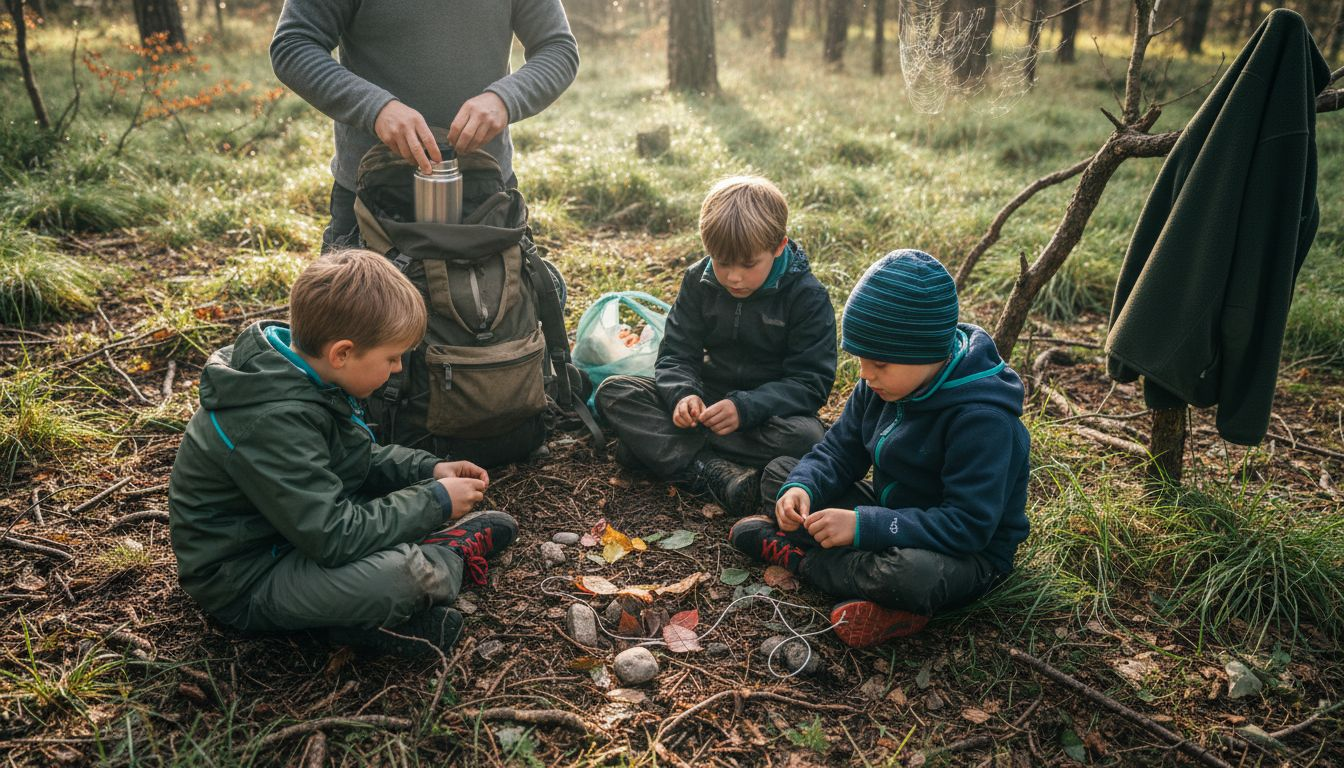
Children can explore nature through various educational and fun activities such as geological expeditions, animal tracking, plant and insect recording, and guided nature walks. Many nature parks offer interactive visitor centers with exhibitions and educational materials that make nature education exciting and engaging for children.
The most popular family activities in Danish nature parks include:
- Hiking trips on marked trails
- Bird observation with binoculars
- Mushroom trip and plant knowledge
- Drawing and photo safari in nature
- Shelterovernatninger
- Campfire activities and outdoor cooking
Pro-tip: Always bring extra change of clothes, first aid supplies, and some extra snacks when exploring the nature parks.
How nature parks promote learning and health
Nature parks play a crucial role in the physical and mental health of children and adult family members. Benefits of nature experiences Goes far beyond just exercise and fresh air. They offer unique opportunities for learning, personal development, and strengthened family bonds through shared nature experiences.
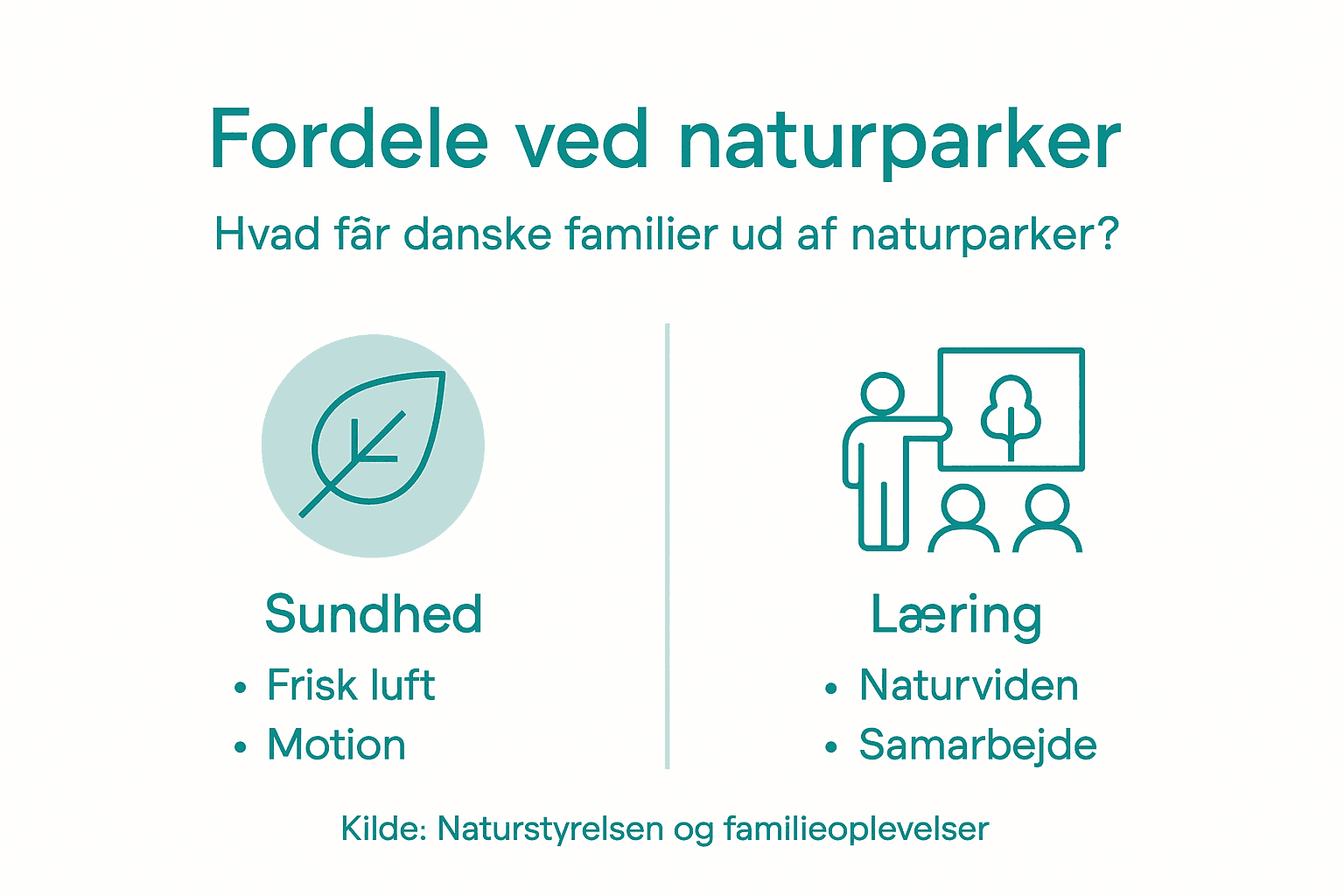
Physical health is promoted through active outdoor activities such as hiking, cycling, and exploring the diverse terrains of nature. Children have the opportunity to strengthen their motor skills, coordination, and fitness in a fun and natural way. Mental health is positively affected through reduced stress, increased creativity, and improved concentration, as a result of contact with the calm and stimulating natural environment.
The central learning aspects in nature parks include:
- Ecological understanding
- Biological diversity
- Environmental awareness
- Practical natural skills
- Historical and cultural knowledge about the landscape
- Observation skills and scientific curiosity
Pro-tip: Prepare the children before the trip by talking about the expected experiences and creating an atmosphere of adventure and discovery.
Rules, access, and practical arrangements for families
When families visit Danish nature parks, it is important to be aware of the specific rules and practical considerations. Access to nature parks It is generally open to the public, but certain guidelines apply to protect both visitors and the natural ecosystem.
The most important rules for family visits include consideration for wildlife, adherence to marked trails, and responsible waste management. Many nature parks offer facilities such as parking lots, toilets, information boards, and shelters, making the experience convenient and safe for families with children. Danish nature parks have special considerations for the safety and comfort of visitors
Here is an overview of the most important practical considerations for family visits in nature parks:
| Practical relationship | Benefit for families | Possible challenges |
|---|---|---|
| Parking options | Access to the area | Limited seats during peak season |
| Toilet and facilities | Increased comfort for children | Varying quality across parks |
| Information boards | Route planning | Insufficient information on small destinations |
| Marked trails | Increased safety in traffic | Possibility of getting lost without a map |
Important to remember when visiting nature parks:
- Always follow the marked trails
- Take all waste home
- Hold dogs on a leash
- Respect wildlife
- Do not let children go alone
- Bring water and refreshments
- Check local weather conditions before departure
Pro-tip: Always check the specific rules for the current nature park before your visit, as conditions may vary between different areas.
Discover the Benefits of Nature Parks for the Whole Family with a Trip in Denmark
Finding safe and inspiring experiences for the whole family can be a challenge when learning, activity, and nature experiences need to come together in harmony. The article "Why Nature Parks in Denmark Benefit Families" highlights the importance of nature parks as spaces where children and adults can explore biodiversity, strengthen health, and create deep shared memories. With a focus on concepts such as sustainable tourism, marked trails, and family-friendly activities, it is clear that using nature parks is an obvious solution for active and safe family outings.
Tag the next step and make your planning easier and more inspiring by visiting Travel in DenmarkHere you will find a wide selection of experiences in the country's nature parks and other scenic destinations. Make your excursion a success with concrete information about activities, access conditions, and facilities that match the family's needs. Visit Travel in Denmark today and create unforgettable nature experiences with your loved ones.
Frequently Asked Questions
How can nature parks benefit children's development?
Nature parks offer children the opportunity to improve their motor skills and creativity through active play in nature, which also promotes their mental health and concentration.
What kinds of activities are there for families in nature parks?
Family members can participate in activities such as hiking, bird watching, mushroom foraging, and engaging nature education at interactive centers.
What rules should families follow when visiting nature parks?
Family members should follow the marked trails, take all trash home, keep dogs on a leash, and respect wildlife to protect nature and ensure a pleasant experience.
How do nature parks promote learning for both children and adults?
Nature parks offer unique opportunities to learn about ecology, biodiversity, and environmental awareness through practical experiences and observations in nature.
Recommendation
- Danish national parks – The way to family experiences – Travel in Denmark
- What Is Denmark's Nature – Importance for Family Experiences – Travel in Denmark
- Holiday parks in Denmark – Travel in Denmark
- Why a family holiday in Denmark is the best solution – Travel in Denmark
- Adventure gift for couples: romantic getaway for two in Latvia 2026 – Skydive Latvia