It can be a challenge for parents in Copenhagen to find experiences that are both fun for children and provide insight into Danish culture. Lego is not just colorful blocks, but a Danish cultural treasure with roots back to Billund, where Ole Kirk Christiansen founded the company in 1932, which later revolutionized children's play with the well-known click system. Here you get inspiration on how families can immerse themselves in Lego's history and creativity while experiencing popular attractions that bring together young and old.
Lego: Historie, betydning og myter
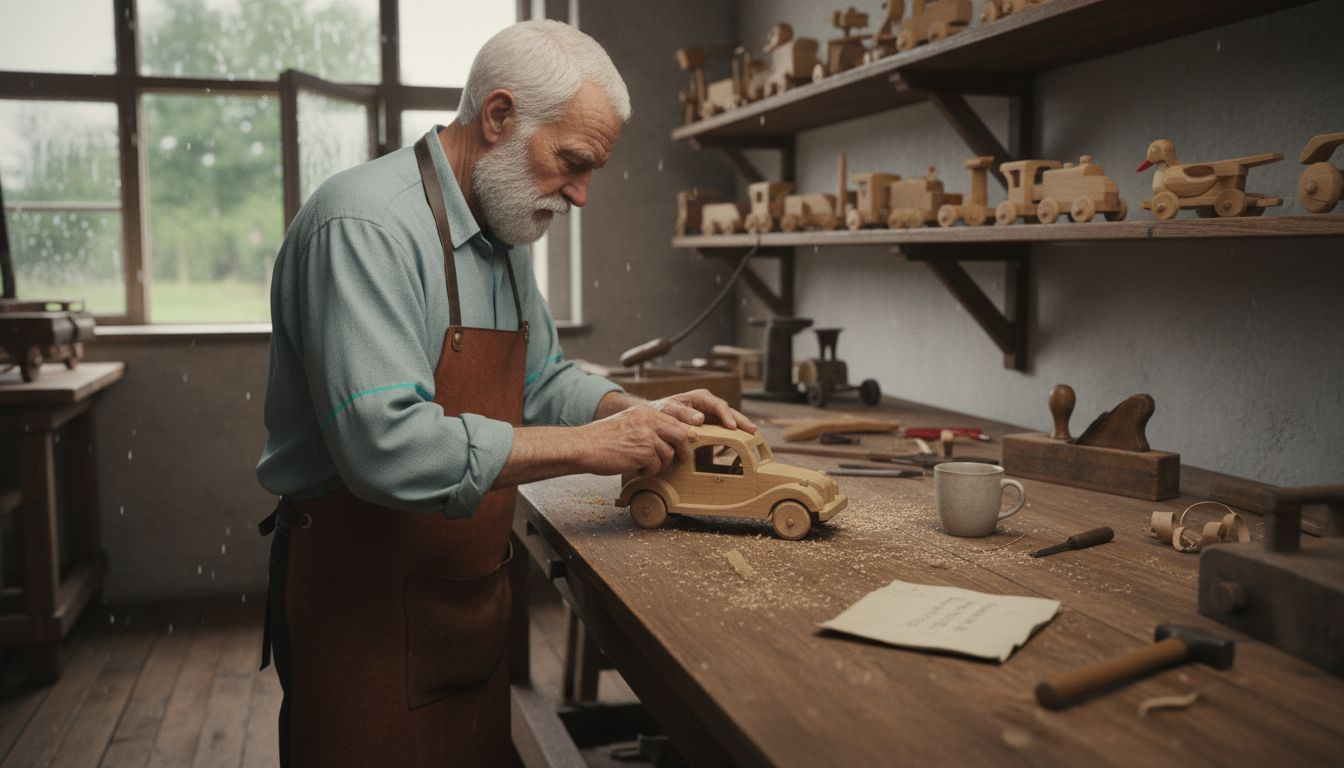
Lego is more than just toys - It is a Danish cultural treasure that has shaped children's creativity and imagination worldwide since 1932. The story begins in Billund, where Ole Kirk Christiansen founded the company as a small carpentry shop. He originally produced wooden toys, but in 1949 the company took a decisive turn when they introduced plastic blocks. It was this innovation that was going to revolutionize the entire toy industry. What made Lego truly special was not the bricks themselves, but that famous click system, which was patented in 1958. This system made it possible to combine blocks from different sets in endless ways, transforming Lego from a common toy into a global phenomenon.
The Danish family business and its innovation had a tremendous cultural significance that extends far beyond the toy itself. When your children sit and build with Lego, they develop problem-solving skills, spatial understanding, and creative thinking without even realizing it. Lego System in Leg revolutionized the market by demonstrating that toys could be both fun and educationally valuable. The Kirk Christiansen family has preserved this vision through generations, and the company remains Danish-owned, making it even more special for us here in Denmark. It's not just about red, blue, and yellow blocks – it's about Danish innovation that has left its mark on the childhoods of millions of children worldwide.
Whether you believe it or not, there are quite a few myths about Lego worth clarifying. One of the most common is that Lego bricks from different decades do not fit together – but that is actually not correct. Thanks to the consistent click system, a block from the 1960s can still function perfectly with modern sets. Another myth is that you need special, expensive sets to be creative – nothing could be further from the truth. Some of the most fantastic creations arise from mixing blocks from different themes without any specific plan. Furthermore, many believe that Lego is only for children, but the reality is that adults worldwide build complex models, collections, and art installations with Lego as their primary medium. It simply shows that this Danish invention from 1932 still has relevant significance in 2024.
Practical advice: When you visit Copenhagen with children, look for Danish toy stores that specifically celebrate the Lego story and its significance – many offer workshops or exhibitions that give you a deeper understanding of how this Danish masterpiece was created.
Different Lego experiences in Denmark
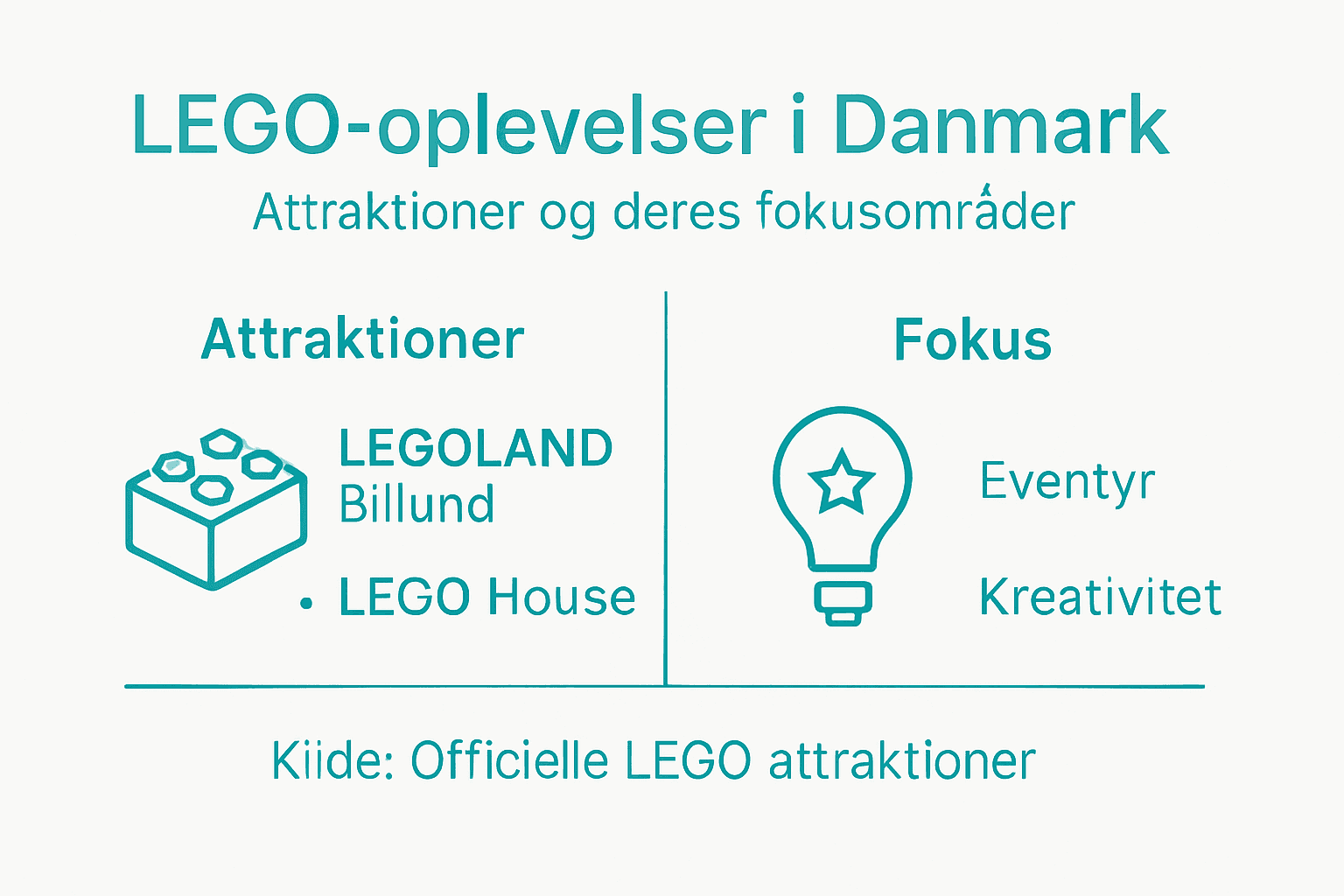
Denmark is home to some of the world's most iconic Lego attractions, and if you travel with children, there is plenty to choose from. LEGOLAND Billund It is undoubtedly the most famous destination – it is not just an amusement park, but a whole world built around Lego. Here you will find roller coasters, shows, and giant Lego models that will undoubtedly make your children drop their jaws. But there is more than just that one place. It is located in the same area LEGO House, which is a completely different kind of experience. Where LEGOLAND is about adrenaline and adventure, offers LEGO House innovative play experiences with a focus on developing creativity through play and learning. With 25 million Lego bricks distributed across various experience zones, both children and adults can unleash their imagination in ways they never imagined before. You can create your own Lego animals, learn advanced building techniques, and even compete against others in Lego building projects.
If you can't quite reach Billund, or want variety, there is also LEGOLAND Discovery Centres In other Danish cities. These smaller but still fantastic destinations allow families to experience Lego magic without having to spend the entire day driving around. They are perfect if you have young children who get tired easily, or if you simply want a more compact experience. A third option is to search for Lego experiences across Jutland, where smaller workshops and creative facilitators often appear, especially focusing on Lego building. Many of these smaller places offer personalized workshops where your children can learn directly from experienced builders or be part of larger construction projects.
Here is an overview of the biggest Lego attractions in Denmark and their special features:
| Attraction | Location | Focus area | Best for |
|---|---|---|---|
| LEGOLAND Billund | Billund | Amusements & Action | Adventurous children |
| LEGO House | Billund | Creativity & Learning | Creative families |
| Discovery Centre | More cities | Compact indoor building construction | Young children |
| Local workshops | Jutland/Denmark | Personal construction guidance | Creative children/families |
What can you experience at these places?
The most important thing to understand is that each Lego destination offers something unique. LEGOLAND Billund combines traditional amusement park fun with Lego themes – it's about thrilling and action-packed rides if your children enjoy that. LEGO House, on the other hand, is about immersing yourself in creative building and learning. Here you can spend hours without getting tired because it's about exploring, experimenting, and building without time pressure. Regular workshops, family activities, and live shows are also organized, providing in-depth insights into the Lego world. If you're looking for a more natural Lego experience without commercial clutter around it, you can also search for smaller creative spaces or libraries around Denmark, which often organize Lego building days and community projects.
The core idea is that, regardless of which experience you choose, you and your children will have the opportunity to explore Danish innovation and cultural heritage in a way that truly engages the whole family. Your task is simply to find out what suits your family and your budget best.
Wise advice: Book your tickets online before you go – it saves both time and money, and you avoid long lines, especially if you visit the attractions during school holidays or weekends.
Visit LEGOLAND and LEGO House in Billund
Billund is the Lego capital of Denmark, and if you want to experience the Danish iconic toy at its most spectacular, this is where you need to be. LEGOLAND Billund og LEGO House They are close to each other, so you can easily combine both attractions on the same day or over several days. Each destination offers something completely unique, and together they create a complete Lego world that your children will never forget. LEGOLAND is traditionally a theme park filled with roller coasters, wild rides, and fantastic shows, while LEGO House is about diving into creativity and learning in a way that completely immerses both young and old. If you are planning a family vacation in Denmark, you should set aside some days for Billund – it is almost mandatory for Lego fans.
LEGOLAND Billund: Adventures and Rides
LEGOLAND Billund is much more than just a park with Lego bricks everywhere. Here you will find the country's famous rides such as Polar X Expedition, which takes you through a frozen world, and Grindstone Ride, a water slide that is sure to splash water over the whole family in a fun way. If you're looking for more relaxed fun, you can visit Miniland, where all of Denmark has been built in Lego with incredible detail. Here you can see Copenhagen landmarks, small towns, and rural areas all built from Lego bricks. The park's shows change all year round, and there is always something new to discover. The essential thing to know is that LEGOLAND is designed for families with children, and although some rides require a minimum height, there are activities for all ages. Plan at least 6 to 8 hours to explore the park properly.
LEGO House: Creativity Without Limits
If LEGOLAND focuses on action and entertainment, LEGO House is about sparking your imagination. There you sit at long construction tables with millions of Lego bricks, building without anyone pressuring you. The house's various rooms and zones have different themes – some focus on learning construction techniques, others on free building, and some on competitions and challenges. You can create Lego animals, build adventurous landscapes, or precise architectural structures. Workshops are also organized where experts can help your children develop their Lego skills. One of the most popular areas is the creative zone, where there are no rules – you build whatever you want. LEGO House is perfect if you want a quieter and more focused experience than LEGOLAND, and it is especially brilliant on rainy days or when children need to wind down after intense rides.
This is how LEGOLAND Billund and LEGO House differ in key areas:
| Factor | LEGOLAND Billund | LEGO House |
|---|---|---|
| Experience type | Amusement Rides & Shows | Creative construction zones |
| Time consumption | 6-8 hours or more | Typically 3-4 hours |
| Recommended age | Children 3-14 years, families | All ages, especially creative |
| Indoor/outdoor | Most outdoors | Mainly indoor |
Practical tips for your visit
Both attractions can become quite crowded during the peak season, especially in summer vacation and around Easter. If possible, visit in May or September when the weather is still nice, but there are fewer people. You can combine both attractions by staying overnight in Billund – there are family hotels and accommodations in all price ranges. Remember to bring some extra clothes if you go riding with water at LEGOLAND. Many families also end up buying Lego sets at the stores in the parks, so prepare yourself mentally for it or set a budget for the children.
Practical tip: Buy combination tickets if offered – it saves both money and time at the entrance, and make sure to download the park apps before you go so you can see queue times and show times in real time.
Family's possibilities and activities with Lego
Lego is not just about sitting alone and building – it is a fantastic way to strengthen family bonds while developing important skills in your children. Joint Lego building Creates moments where the whole family is focused on the same task without screens or distractions. This is a special type of activity because it both entertains and educates. When you build together, children develop problem-solving skills, learn to follow instructions, and discover how different blocks can be combined in creative ways. For adults, it's about being mentally present with their children without it feeling like a duty. You can Explore different construction guides and family challenges, which Lego specifically offers to families, and it keeps the activity fresh and interesting over time. Some parents even find it relaxing – there's something meditative about focusing on small blocks and systematic constructions.
How do you turn Lego play into a shared family activity?
It's not just about buying a set and hoping for the best. Set some boundaries around the activity. For example, you could have "Lego Thursday" every week, where the whole family sits at the same table and builds for an hour or two. Or you could take on a larger construction project over several weekends, where each person builds a part that is assembled into the final product. For younger children, it works wonderfully to have black Lego bricks, which everyone must work together to build a large structure. For older children, you can give them specific challenges: "Can you build a bridge that can hold this stone?" or "Who can build the tallest tower?". These small competitions make the children think like engineers without them realizing that they are learning. You can also involve the children in planning larger projects – let them draw what they want to build, and then work towards that goal together.
From construction to adventure and storytelling
Many families discover that Lego is not just about building according to instructions. It becomes much more fun when you start creating stories around the buildings. A project can become a whole city with inhabitants, shops, and a backstory. Children love to create characters from Lego figures and craft scenarios. I can photograph your constructions and make small films together – it adds a whole new dimension to the play. Some families call it "Lego adventure," where each person adds a new part to the story each time. Another activity that works every time is building gifts for each other. You can have the children design and build something special for dad, mom, or siblings – the personal aspect makes it special. Digital experiences through the Lego Builder app also offer new opportunities to combine physical building with digital play, which especially appeals to children who usually spend a lot of time on screens.
Practical tips to make it work
Keep the activities short enough – about 45 minutes to an hour is ideal for most families with children, before concentration drops. Sort your Lego bricks by color or size in different tables or boxes, making it easier to find what you're looking for – it saves a lot of time and frustration. Don't set too high ambitions the first time – start with simple projects so the children experience success and want to build again next time. And most importantly: be willing to let the children take control of the process sometimes. Their ideas may be completely different from yours, but that's exactly what makes it fun and develops their creativity. Family experiences like these not only strengthen togetherness but also enhance learning through play.which is one of the most important things you can give your children.
Practical advice: Start with smaller, open-ended building sets rather than large complex models – this provides more opportunities for free creativity and less frustration, and always make sure to include some time for tidying up in the plan so it doesn't end up with a messy living room.
Practical tips: Price, access, and security
When planning a Lego experience for the whole family, there are practical aspects that need to be in place before you leave home. Prices vary significantly Depending on which destination you choose and when you visit. LEGOLAND Billund is the most expensive option, with day tickets typically costing between 300 and 400 kroner per person depending on the season. LEGO House is at the same price level. LEGOLAND Discovery Centres are often cheaper, around 200 to 250 kroner per person. The important thing to know is that you can often save significantly by Book tickets online in advanceMany attractions offer discounts for online purchases. Also search for combination tickets – if you plan to visit both LEGOLAND and LEGO House on the same day, there are often package deals that can save you 100 kroner or more per person. Annual passes can also be a good investment if you live near Billund and plan to visit multiple times.
What do you need to know about access and opening hours?
Access to the various attractions is almost always hassle-free – you present your tickets at the entrance, and then you can go in. The most important thing is to arrive early, especially in the high season. The queues can become long between 10 a.m. and 2 p.m., so if you arrive earlier or later in the day, you can avoid the worst crowds. The opening hours vary greatly – LEGOLAND Billund typically has longer opening hours during the summer holidays (from about 10 to 20) than the rest of the year. LEGO House normally opens around 10 and closes around 18. Always check the current opening hours on their websites before you go, as there may be special events or daily closures. Also, keep in mind that some attractions may have time-based entries during particularly busy periods, meaning you can only enter at a specific time.
Safety and practical considerations
Security It is naturally an important factor. Both LEGOLAND and LEGO House have strict security personnel, and rides at LEGOLAND undergo regular safety checks. There are age limits and height requirements for certain rides – Polar X Expedition, for example, requires a minimum height of 92 centimeters. Read these restrictions carefully before you arrive so the children won't be disappointed. There are practically no safety risks in the LEGO House, as it involves construction and interactive zones without extreme activity. Both places have toilets, changing rooms, and facilities for young children. Take care of your valuables – even though both attractions are safe, you should not leave valuables unattended on the construction tables.
When it comes to practical preparations, there are some things worth considering before you go there. Remember to bring drinking water, especially in hot weather – it is expensive to buy on site. Bring sunscreen if you visit during the summer months, as you will spend time both indoors and outdoors. If the children are going riding in the water, bring extra clothes or buy cheap rain jackets on site. Practical travel tips, such as where to park and how to navigate around the destination, it may be worth reading in advance. It's also smart to pick up a map of the park at the entrance or download their app so you know where everything is.
Budget and expenses you need to plan
Get ready to spend money on food and drinks. The prices are typically high at the attractions themselves – a baked potato can cost 90 kroner. You save money by taking a packed lunch in a backpack. Many attractions allow it. Merchandise and Lego sets are naturally tempting as well, but prices in gift shops are 20 to 30 percent above normal price. Set a budget for the children in advance so they know what they are allowed to buy. If you are planning to stay overnight, it's worth comparing prices – some hotels include access to attractions in their packages.
Practical tip: Visit on a Tuesday or Wednesday outside of holiday periods – you'll have the best possible experience with fewer people, and the queues will be minimal, meaning more time to enjoy the activities.
Experience Lego's Magic and Family Fun Throughout Denmark
Planning the perfect family experience with Lego can be challenging when you want to combine creativity and entertainment for both children and adults. The article emphasizes the importance of finding the right Lego experiences such as LEGOLAND Billund and LEGO House while also creating time and space for joint building projects and play that strengthen togetherness. If you are looking for inspiration on how to create memorable moments with your family and make planning your next Lego trip in Denmark easier, then help Travel in Denmark I enjoy finding the best destinations divided by cities and regions.
A waste of time on leading and getting an overview of prices without compromising on quality and funOn our platform, you can filter experiences by season, price level, and children's age so you always find the activities that are just right for you. Visit all experiences in Denmark to explore everything from large Lego parks to smaller creative workshops. Start the planning today and create a Lego experience that both inspires and entertains the whole family.
Create your own Lego adventure soon by finding the best family experiences and ensuring the trip is a success filled with play, learning, and joy.
Frequently Asked Questions
What is the story behind Lego?
Lego was founded in 1932 by Ole Kirk Christiansen as a carpentry business and has become a worldwide icon in toys thanks to the introduction of plastic bricks and the unique click system in 1958.
What is LEGO House, and what can you experience there?
LEGO House is a creative play experience that offers innovative activities focused on play and learning, where both children and adults can build with millions of Lego bricks.
How does LEGOLAND Billund differ from LEGO House?
LEGOLAND Billund is an amusement park with rides and shows, while LEGO House focuses on creativity and learning through building projects and interactive zones.
What can families learn from playing with Lego?
Playing with Lego helps children develop problem-solving skills, spatial understanding, and creative thinking, while also strengthening family bonds through shared building projects.
Recommendation
- What is LEGOLAND? Everything you need to know in 2024 – Travel in Denmark
- Benefits of Family Experiences – Strengthen Togetherness and Learning – Travel in Denmark
- Why Experience Children's Denmark – Memorable Family Time – Travel in Denmark
- What Does Adventure Travel Mean for Family Children in Denmark – Travel in Denmark