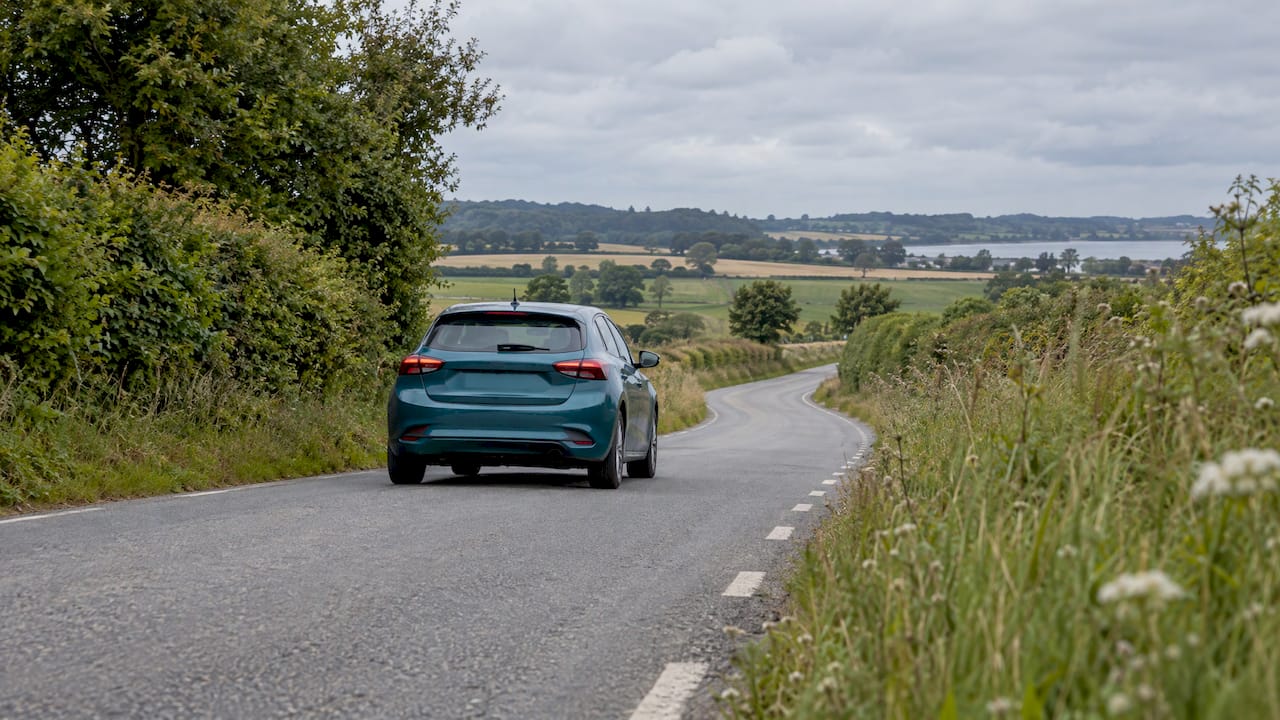
A road trip gives you something that a trip with a fixed itinerary rarely does: the freedom to decide the pace, route, and stops yourself. The car ride also becomes part of the vacation instead of just a transport segment. You can stop at a beach you didn't know, stay one more night in a city that surprises you, and let the children choose the next stop on the map. Here you get the most important reasons to go on a road trip, what they mean in practice, and how to find out if this type of travel suits you. The examples are from Denmark, but most reasons apply regardless of where you drive.
1. You decide the pace, route, and stops yourself.
The biggest reason is freedom. Centre for the Promotion of Imports from Developing Countries (CBI) under the Dutch Ministry of Foreign Affairs describes self-drive tourism as a form of travel where the travelers themselves decide the pace, places, and itineraryIt sounds simple, but it changes the whole vacation.
On a package tour or a group trip, the day is planned for you. The bus leaves at o'clock. 8, breakfast is ordered, and there are 45 minutes at each attraction, whether you get bored after ten minutes or could spend three hours. On a road trip, you turn the knobs yourself:
- Time: Do you want to get up early and make three stops, or sleep in and settle for one long one?
- Route: Choose the coastal road over the highway when the view is worth it.
- Stop: Stop when something catches your eye, and keep driving when it doesn't.
The same analysis highlights that local recommendations can be incorporated along the way, and that the plan can be adapted to the activities you want to do yourself. If you get a tip from the host at the campsite about a small smokehouse or a view, you can take it with you the next day. That kind of good coincidences are hard to make room for when someone else's schedule controls the vacation.
2. The road becomes part of the vacation
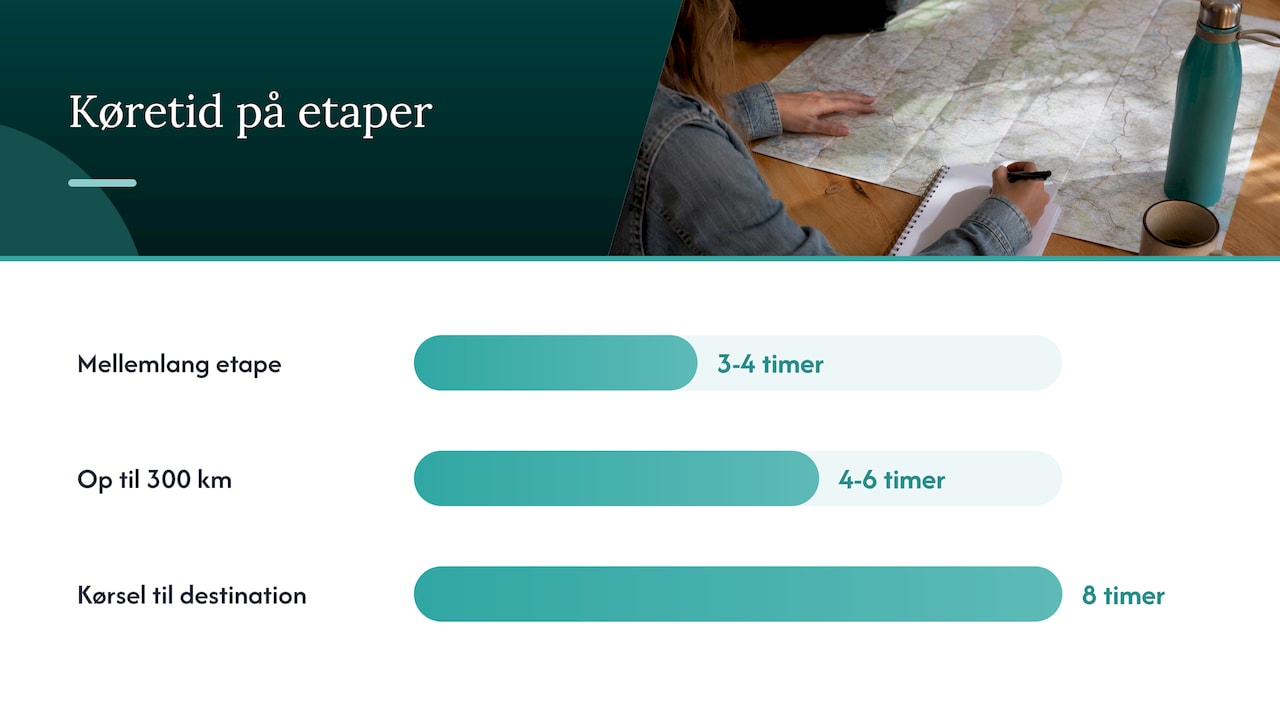
On most trips, transportation is something you have to get through. On a road trip, it is the opposite. FDM’s advice is to plan the road trip according to the experiences along the way rather than the GPS's fastest route: gentle nature and culture, small towns and activities, and stop approximately every other hour to have an experience.
In the same article, FDM’s interviewee says that he typically drives no more than 300 km a day when he wants to enjoy the trip. It usually takes four to six hours and allows time for experiences, photography, and food along the way. It is a good rule of thumb when you are planning:
| Day stage | Typical driving time | What there is room for |
|---|---|---|
| Short stage | A couple of hours | A long stop, for example an entire afternoon at the beach or a museum |
| Medium stage | Three to four hours | Two stops and a breakfast out |
| Up to 300 km | Four to six hours | Several short stops, photo breaks, and breakfast |
FDM also states outright that eight hours of driving to a destination is not interesting. The trip itself should be exciting. That is exactly what distinguishes a road trip from a regular car holiday, where you drive as fast as possible to the summer house and stay there.
3. You get away from the classic tourist trails
By car, you can reach places where the buses do not run. CBI writes that self-drive travelers can travel off the beaten tourist path and learn more about local environments and people and participants on package tours or group trips.
In Denmark, there is an entire route built specifically for that idea. According to the Nature Agency, the Marguerite Route is 4.218 km Danish country roadwhich connects many of the country's most beautiful landscapes, wildest natural areas, and most interesting historical and cultural attractions. The rod became established in 1991 and inspired by the American scenic routesYou don't need to do it all: choose a stretch that fits your days and use it as the backbone of the trip.
If you want more ideas on how a route can be connected, we have gathered 7 inspiring experience routes in Denmark with suggestions for both well-known and lesser-known stops.
4. Nature, culture, and food on the same trip
A road trip allows you to mix experiences that would otherwise each require their own vacation. In the morning you walk in the dunes, in the afternoon you visit a castle, and in the evening you eat at a local inn. This is how you can coordinate your stops:
| Type stop | What the trip gives | Examples from Denmark |
|---|---|---|
| Nature | Air, movement, and views | Thy National Park, Wadden Sea, Møns Klint |
| Culture and history | Stories and indoor alternatives | Castles, manor houses, museums, and old market towns |
| angry | Local flavors and breaks that feel like experiences | Smokehouses, farm shops, harbor cafés |
| Activities | Energy for children and adults | Amusement parks, playgrounds, canoeing, and cycling tours |
The point is the variation. A day with only museums becomes long, and a day with only nature can become wet. When you have the car, you can plan the day to suit the weather and your mood. For the nature section, you can use our comparison of the best nature experiences in Denmark, and if you need good stops along the way, you will find several in 7 excursion ideas in Denmark.
5. A good holiday option for families with children
Many parents think that long hours in the car and children do not go well together. But a road trip can precisely be adapted to the children's rhythm because you control the breaks yourselves. Scandlines recommends in its advice on self-drive holidays with children to take a break from the car and the highway at least every three hours with time for food, play, and fresh air. On longer trips south, an overnight stay in a cozy town is a good idea. The advice is also to involve the children from the beginning.
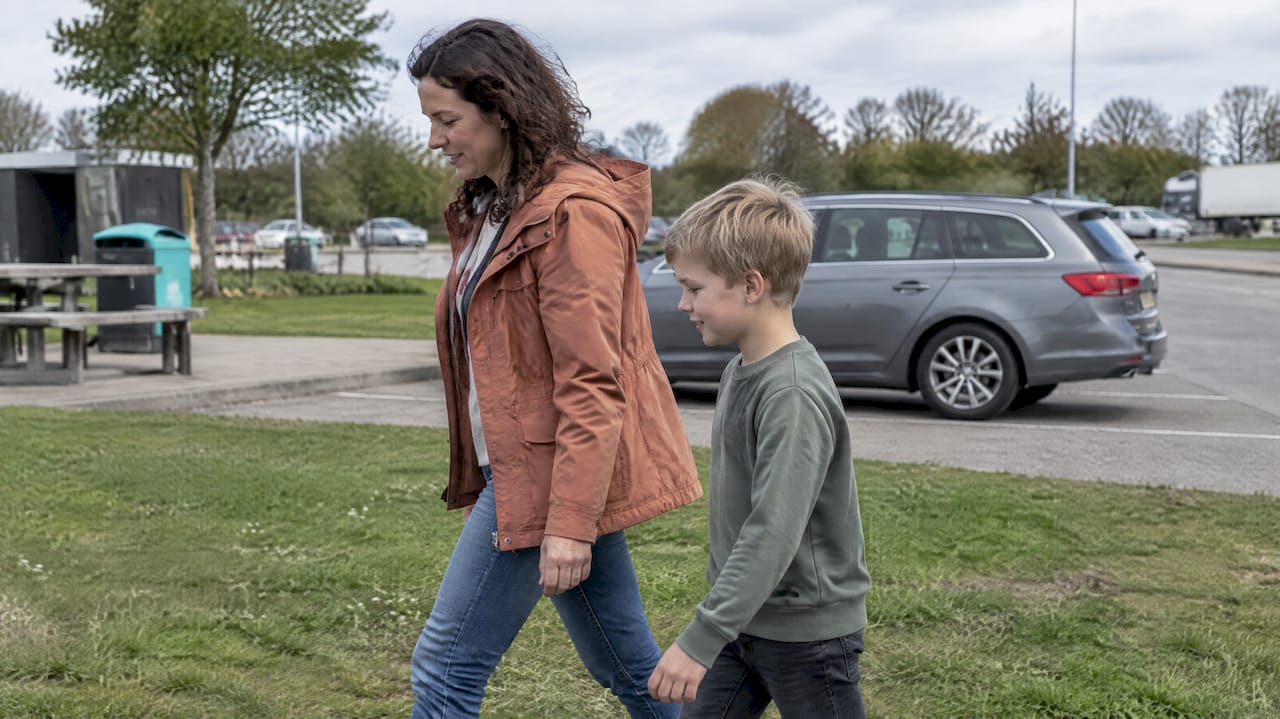
DR has spoken with Niels Kjærsgaard about how families get off to a good start. The advice is that take an extra night or two, take movement breaks, and give the children a rolefor example, to follow the map and find the next stop. Children benefit from predictable routines and shared responsibility, while the parents' positive attitude helps when things go differently than planned.
In practice, it can look like this:
- Let the children choose one stop each. It gives the joy of anticipation and a reason to look at the map.
- Make the breaks active. A playground, a beach, or a short forest trip works better than a gas station.
- Have a steady rhythm. Same order every morning: breakfast, packing, departure. It creates calm.
- Pack entertainment and snacks in the car. Audiobooks and games make the stages shorter. You can find more ideas in a guide to entertainment for children in the car.
- Consider the needs of the smallest. While in the middle of taking the diaper off the child, a plan can potty training on the trip make the many changes between car, breaks, and overnight stays easier.
Safety is in place before you drive: according to the EU's official site Your Europe, is Seat belts and child safety equipment mandatory in DenmarkCheck that the car seat fits the child's age and size before you pack the car. If you want to plan the trip around the children's experiences, you can use our guide to plan a family adventure in Denmark and our overview of child-friendly attractions.
6. More time together and memories that last
In the car, no one has to do anything else. One talks, sings, plays "I spy, I spy" and shares the same views. A peer-reviewed study published by the University of Edinburgh interviewed grandparents and grandchildren in Denmark and New Zealand and found that Family vacations can contribute to both individual and intergenerational well-being.The study describes how shared experiences become memories and conversations that continue after returning home and strengthen family bonds over time.
A road trip is perfect for exactly that, because the experiences are part of a coherent story: the day we found the amber, the night it rained on the tent, the inn with the big pancakes. Feel free to bring the grandparents along for one or two stages. Read more about, what family activities mean for your togetherness.
7. You can change your mind along the way
Danish weather can change from hour to hour, and that is one of the best reasons to have the car with you. If the beach day turns rainy, you drive to a museum or an indoor attraction. If you are tired, you will stay one more night. If the place is a disappointment, you continue driving after lunch.
That flexibility also makes the road trip a vacation option for the whole year. In the spring there are bright evenings and fewer people, in the summer long beach days, in the autumn forest walks and harvest markets, and in the winter cozy towns and warm cafés. See more ideas in 7 tips for experiences all year round in Denmark.
8. You are in good company
The car is already the preferred way to go on vacation for many. Statistics Denmark states that The car was the preferred mode of transport for Danes' short holidays in 2024 with 69 percent. Looking at the entire EU, figures from Eurostat showed that Private or rented vehicles were used in 65 percent. of the EU citizens' tourist trips in 2015.
In practice, this means that a lot has been built around the car tourist: rest areas, campsites, holiday parks, roadside accommodations, and attractions with parking. You don't have to invent everything yourself.
Does a road trip suit you?
A road trip suits you well if several of these statements apply to you:
- You would rather decide the day yourself than follow a schedule.
- You like to mix nature, culture, and food on the same trip.
- You become curious about places outside the well-known tourist destinations.
- You are a family that wants to be able to take a break when the children need it.
- You want room to change the plan when the weather or mood shifts.
CBI points out that self-drive tourism works best where there is good infrastructure and navigationDenmark has: a dense road network, short distances between attractions, and signposted tourist routes such as the Marguerite Route. The most important decision is therefore not whether you should drive, but how far. Keep the daily stages short enough so that the trip is still fun, and you'll get the best out of the way of traveling.
How to get the most out of your road trip
Once you have made your decision, here is the order we recommend:
- Choose theme and area. The west coast, the islands, castles or nature parks. A theme makes it easier to choose stops.
- Set the daily stages. Use the 300 km per day as a ceiling and rather shorter with children.
- Choose two to three fixed stops per day. The rest is room for coincidences.
- Book accommodation with care. In the high season, it is an advantage to have the first nights secured. See our overview of holiday parks in Denmark, if you want a base with activities.
- Make a budget. Fuel, accommodation, entrance, and food. Our Budget guide for family holidays in Denmark 2026 helps you work it out.
- Check car and packaging. Use our Checklist for road trip in Denmark, so tires, equipment, and papers are in order.
If you want to go through the planning step by step, you can read How to plan a road trip in Denmark in 2026 or our guide to plan a road trip in Denmark step by step.
Our view on road trips
We have seen many travel plans go wrong in the same way: too many kilometers and too few stops. People plan the road trip as a transportation task and forget that it is the stops that become the memories. Therefore, we build our guides around the experiences, not around the route.
In our opinion, Denmark is one of the best countries for a road trip, precisely because the distances are short. You don't have to drive far to switch from dunes to beech forest, from market town to fishing village. It allows for frequent stops and staying longer.
Our advice is to start with what you want to experience, and then let the route follow. Use the map to see what is close to each other, and filter by season, price, and age, so you only see the stops that suit you. Then the trip becomes your own, and that is the whole reason for going on a road trip.
Tommy
Find the stops for your road trip at Travel in Denmark
On Travel in Denmark You can search for experiences directly on an interactive map and filter by season, price, and participants' age. Each experience has a description and a price estimate per. person, so you can see what a stop costs before you add it to the plan. Our complete guide to planning a trip to Denmark collects it all, from routes to attractions and practical advice.
Frequently Asked Questions
How far should you drive per day on a road trip?
A good rule of thumb is at most 300 km per day if you want to enjoy the trip. That typically corresponds to four to six hours of driving with time for stops, photos, and food. With small children, shorter stages are often better.
How often should you take breaks with children in the car?
Plan breaks from the car and the highway at least every three hours, and preferably more often. Use the breaks for food, play, and fresh air, for example at a playground or a beach. It also makes it easier to keep your spirits up for the rest of the day.
Can you go on a road trip in Denmark all year round?
Yes. Each season has its experiences, from bright spring evenings and summer beaches to autumn forests and cozy towns in winter. The car makes it easy to switch to indoor experiences if the weather is bad.
What is the Marguerite Route?
The Marguerite Route is a signposted tourist route of 4,218 km of Danish country roads, connecting many of the country's most beautiful landscapes and attractions. The route was inaugurated in 1991. You can easily drive a single stretch of it as part of your road trip.
What should you remember before a road trip with children?
Ensure that everyone uses seat belts and appropriate child safety equipment, which is mandatory in Denmark. Pack snacks and entertainment, and give the children a role, for example, finding the next stop on the map. A checklist for the car and packing gives peace of mind before you drive.
Sources
CBI: European market potential for self-drive tourism FDM: Planlæg bilferien efter oplevelserne, ikke GPS’en Naturstyrelsen: Margueritruten Lex.dk: The Marguerite Route Scandlines: Kør-selv-ferie med børn på bagsædet DR: Kør-selv-ferien kan være hård for de mindste Your Europe: Road rules and safety, Denmark University of Edinburgh: Fun time, finite time Statistics Denmark: Spain tops the list of popular travel destinations again Eurostat: Europeans travel mostly by car