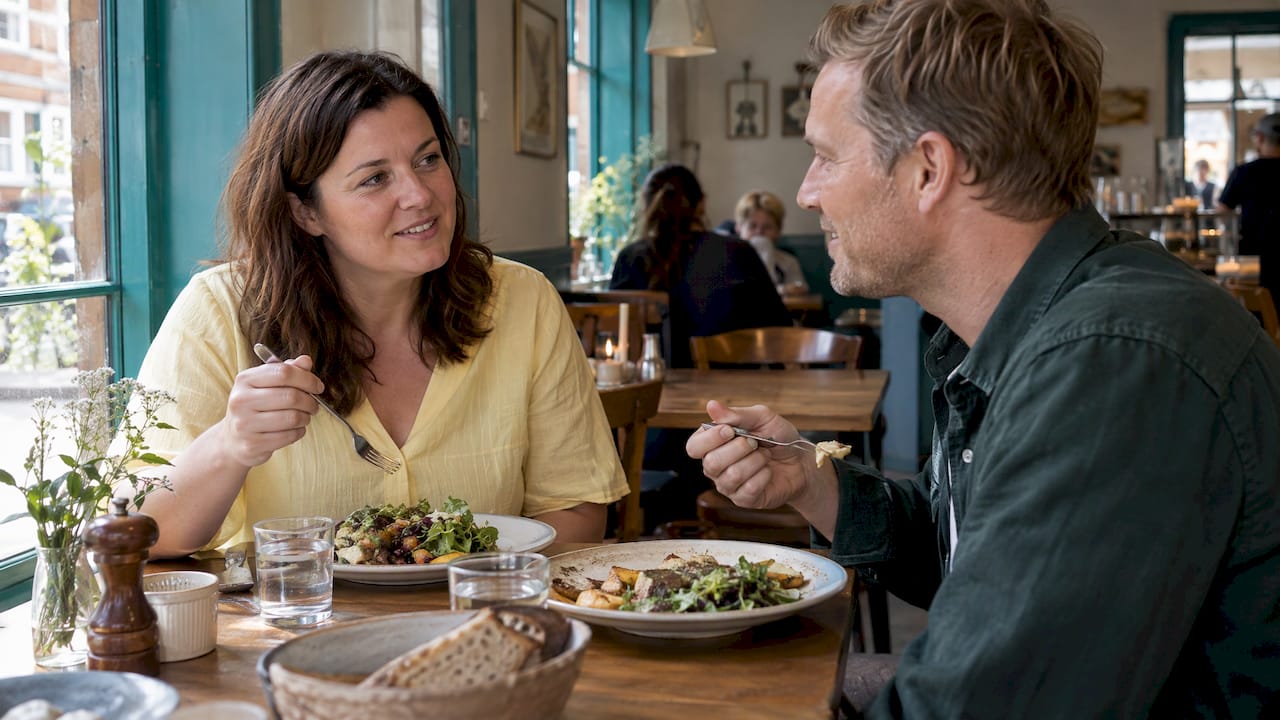
Food experiences play a bigger role on a trip than most people expect. It is rarely the dish itself that we remember best, but the setting around it: who we sat with, where we were, and what the food told us about the place. A shooting star on a harbor quay, a grilled sausage at the cart in the square, or fish cakes eaten in the dunes often become the most vivid memories of the trip. Therefore, the food deserves to be planned with the same care as the museum visit or the trip to the amusement park. Here you get the explanation of why food experiences mean so much, what research says about the meal as a gathering point, and how you use it to give your trip to Denmark more substance, whether you are traveling with children, as a culture enthusiast, or as a tourist with limited time.
What makes a dining experience more than just a meal?
A food experience is not just a matter of whether the food tastes good. Taste For Life, a Danish knowledge center for taste and joy of food, describes in the publication Perspectives on taste the taste experience as an action, where the body's senses, our own experiences, and the culture we come from interact. Taste is, in other words, something you do: You smell, look at, talk about the food, and share it with others.
That explains why the same red berry pudding with cream can taste completely different in a kitchen in Copenhagen and in an old country store. The surroundings, the history behind the dish, and the company become part of the flavor.
For you as a traveler, it means three things:
- The place counts. Food eaten where the raw material comes from gains an extra dimension. Smoked fish at a smokehouse on the coast is a different experience than the same fish from a refrigerated counter.
- History counts. When you know why a dish exists and who has eaten it through generations, you taste more than the ingredients.
- The company counts. The conversation about the food, the children's reactions, and the small discussions about what was best make the meal a shared memory.
The same publication points out that experience and meaning are closely connected: What we understand through the senses settles more deeply. That is precisely why a good food experience often becomes what ties an entire trip together in memory.
The meal as a gathering point
The shared meal is one of the oldest ways to create community. Ole G. Mouritsen, who has researched taste and gastronomy for many years, has in an article at The Folk High Schools emphasized that people have created communities by sharing food for thousands of years, and that the meal is the place where we show love and togetherness.
The sleep researcher Susanne Højlund puts it even more succinctly in an interview with Cost"Taste is not only in the food, but between us." She also points out that the communal dining table is under pressure in a more individualistic society. On a vacation, most families have the time that everyday life rarely provides.
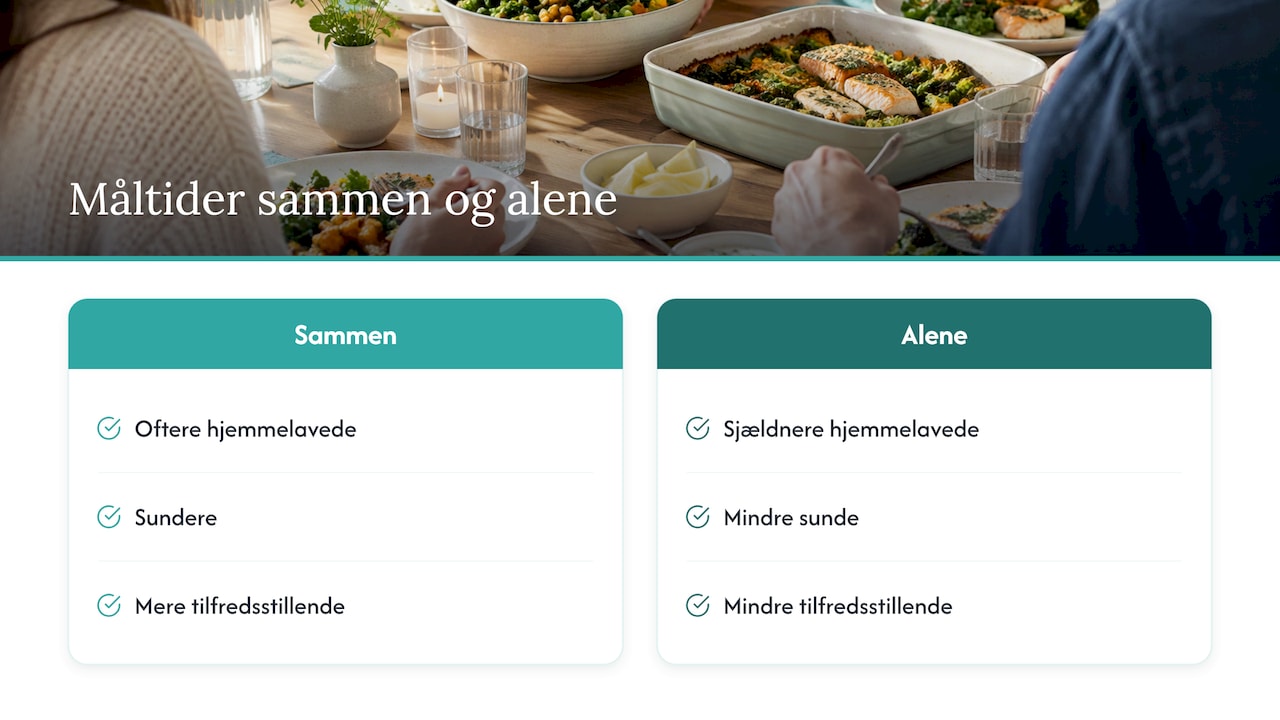
There are also benefits beyond the coziness. The food culture report Food Culture 2021 concludes that meals we eat together are more often homemade, healthier, and more satisfying than meals we eat alone. The report sees a strong culture around the evening meal as part of the answer to loneliness and lifestyle diseases.
When you eat with someone you don't know
Many food experiences on the trip take place at long tables, at communal meals, at harvest markets, or at town festivals, where you sit next to strangers. The initiative Denmark Eats Together provides in its Pixibook about the food relay some simple advice that also works on vacation:
- Shared meals are a good way to meet, even when you don't know each other.
- Small shared tasks like setting the table or cooking together get the conversation started.
- If there are many of you, several tables with at most 8 to 10 people each work better than one long table.
Try it next time you rent a summer house together with another family: Let the children set the table, and let the adults each make a dish. Then the cooking itself becomes part of the experience, and no one is left as a guest in someone else's kitchen. The same applies at the campsite, where a communal grill is often the easiest way to get to know the neighbors.
Food as the key to Danish culture
If you want to understand a country, the kitchen is one of the easiest places to start. Danish food culture is built around seasons, regional ingredients, and established traditions. Open-faced sandwiches for breakfast, æbleskiver and rice pudding in December, and strawberries, new potatoes, and grilled food in the summer all tell something about how Danes live throughout the year.
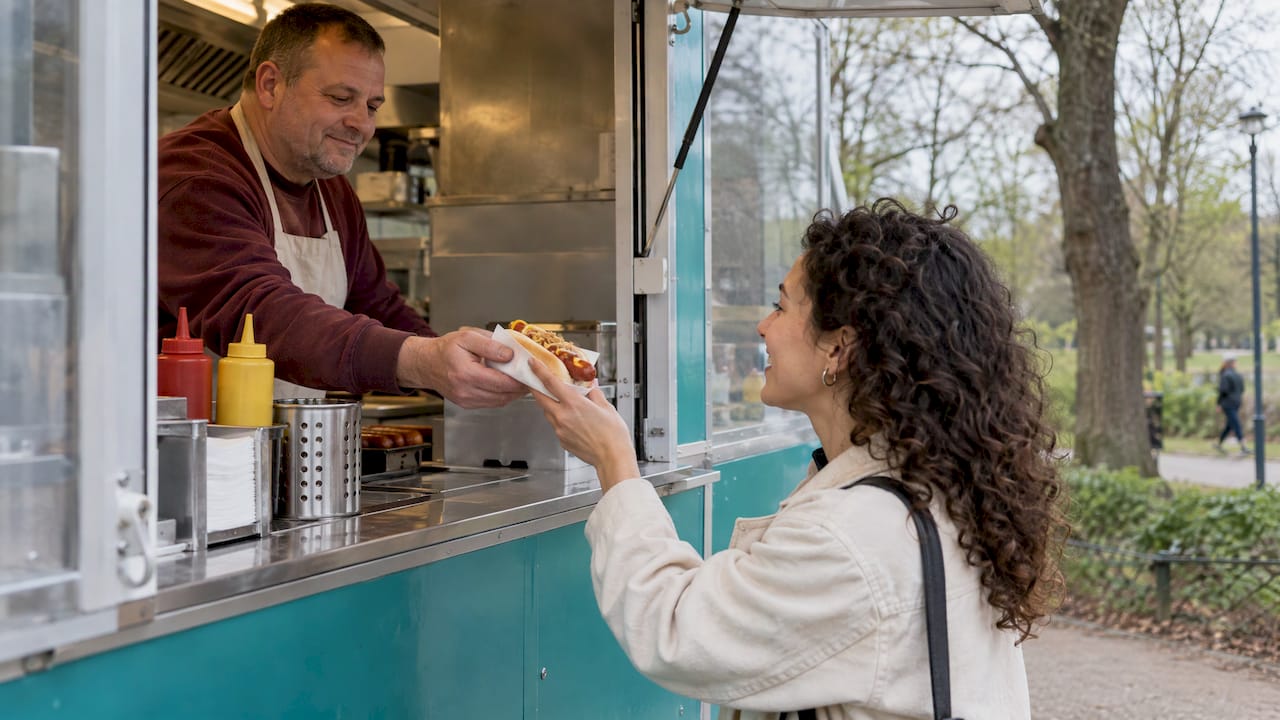
The hot dog stand is a good example. According to Living Culture under The Royal Library The sausage stand is a gathering point for both locals and visitors, where people share a quick meal and a chat across age, social background, and title. The tradition has even traveled out into the world, including with a permanent Danish sausage stand at the embassy in Tokyo. For a foreign guest, a red sausage with fried onions says more about Danish everyday culture than many guidebooks.
The regions each have their own characteristics. The coasts offer fish and smoked goods, Southern Jutland is known for its large cake table, and the islands each have their own specialties. We have gathered the most important in the guide to regional specialties from all over Denmark, so you can see what you should taste where you travel.
Feel free to combine the food with a cultural visit. Many open-air museums shows how the Danes made and ate food in earlier times, and it gives children and adults an understanding of why we eat the way we do today.
The role of food on the family vacation
Food experiences do not have to take place in a restaurant. Aalborg University's research report on local food and culinary experiences at Danish coastal destinations shows that the most common food experience on a Danish coastal holiday is the food that guests prepare themselves in the summer house, at the campsite, or on the boat. It is especially associated with spending time with the immediate family, where time to prepare and eat the food together is highly prioritized.
It gives the family many opportunities:
- Act locally. Buy fish directly from the harbor, potatoes from a farm shop, or strawberries from a roadside stand, and make dinner together.
- Make the children co-chefs. Small tasks like peeling carrots or decorating a cake make them proud of the meal.
- Build the day around the food. A visit to a smokehouse or a farm can become the day's excursion, and dinner will be the continuation of it.
- Eat out when it makes sense. A meal at a local inn or a harbor grill provides a break from the kitchen and a taste of the place.
The research behind food clubs points in the same direction. An article from UCN about the good meal as a bridge builder describes a Danish food club where cooking together with children creates networks and friendships. On vacation, the same thing happens on a smaller scale: The family remembers the evenings when everyone was in the kitchen.
If you want more ideas on how shared experiences strengthen the family, you can read our guide on the role of community in experiences.
Food as a bridge between cultures
For international guests, food is often the quickest way into a new culture. A British study from Bournemouth University on multicultural lunches shows that food functions as something people can come together around. The participants talked about taste and recipes and experienced the food as a bridge-builder across culture and ethnicity.
It applies both ways. When a tourist asks how to eat an open-faced sandwich, or why there is red cabbage on the table at Christmas, it opens a conversation that rarely occurs in front of a sight. If the language is a barrier, it helps to know some basic concepts and understand, how to read a menu in another country.
Good hosts, curiosity, and respect for local customs go a long way. If you want to get better at eating local food as a traveler, we have a few good tips below, and you can also find inspiration to enjoy local food experiences like a connoisseur.
How to give food a bigger role on your trip
When you know why food experiences matter so much, the next step is to plan them. Here is a simple procedure.
1. Choose a theme for the trip
Decide what the food should convey. Is it the sea and fishing, agriculture, Christmas traditions, or the city's new eateries? A theme makes it easier to choose experiences that are connected. Many go wrong here by trying to do it all and end up with random meals without coherence.
A couple of examples of themes that work well:
- The coastal trip: harbors, fish shops, smokehouses, and an evening with self-caught or locally purchased fish on the grill.
- The excursion: farm shops, roadside stalls with seasonal vegetables, and a visit to an open-air museum where you see how people lived and ate in the past.
- The bus trip: farmers' markets, bakeries, and classic open-faced sandwiches, combined with museums and walks.
- The Winter Trip: Christmas markets, apple slices and mulled wine, and long evenings with food made together.
2. Find the experiences on the map
On Rejs i Danmark, you can use the map-based search to see which experiences are located near where you live. If you haven't tried it before, our guide to shows stepwise short search see how to get started.
3. Filter by season, price, and age
Food experiences follow the seasons. With the filters, you can sort experiences by season, price, and participants' age, so you find what suits your specific trip. It saves time and prevents you from traveling far for something that is only available in another season or does not fit the smallest ones.
4. Check the price estimate
For many experiences, a price estimate per person is provided. person It makes it easy to set a budget for the food experiences and choose where you want to eat out and where you would rather cook the food yourselves. If the budget is tight, you can also find free experiences to combine with a packed lunch.
5. Gather the food and the rest of the day
The best travel days combine food, nature, and culture: a trip to the beach, lunch at the harbor, and a museum visit in the afternoon. Read more about, how gastronomic experiences make the journey unforgettable, and find concrete proposals in our guide to local food experiences.
Find your next food experience at Travel in Denmark
Travel in Denmark brings together experiences, attractions, nature, and cultural sites from all over the country in one place. You can search on the map, filter by season, price, and age, and see a price estimate per. person, so it becomes easy to find the food experiences and excursions that suit you. See all Experiences in Denmark, and start planning your next trip.
Our view on food experiences
We see food as one of the strongest ways into a place. When a family stands in line at a hot dog stand, buys fish directly from the harbor, or sets a long table in the summer house, they experience Denmark in a way no brochure can provide.
Therefore, we incorporate food experiences together with the rest of the journey. At Travel in Denmark, we present both the well-known and the more hidden experiences, and with the map and filters, you can quickly see what is nearby, approximately how much it costs, and whether it suits the children's age.
Our advice is simple: Let the food be part of the plan, not something that just happens between the attractions. Then the meals become what you talk about long after you have come home.
Tommy
Frequently Asked Questions
Why are food experiences important on a trip?
Because food brings together senses, place, and company in one experience. You don't just taste a dish, but also the place's history and ingredients, and you share it with those you travel with. Therefore, meals often become some of the strongest memories from a trip.
What is a typical Danish food experience?
Open-faced sandwiches for breakfast, a sausage from the sausage stand, smoked fish by the coast, and the sweet traditions around Christmas are all classic examples. The regions also each have their own specialties. See our overview of regional specialties to know what to taste wherever you travel.
Do food experiences need to be expensive?
No. The most common food experience on a Danish coastal holiday is, according to research from Aalborg University, the food that guests prepare themselves in the summer house or at the campsite. Buy local ingredients, cook the food together, and use the price estimates on Rejs i Danmark to choose where you want to eat out.
How do I involve the children in food experiences?
Give them a task, for example setting the table, choosing vegetables in the farm shop, or decorating the dessert. Choose experiences that suit their age, which you can filter by on Travel in Denmark. Children remember better what they have been involved in themselves.
Sources
- Taste For Life: Perspectives on Taste
- Folk High Schools: The Meal Brings Us Closer Together
- Kost: Smagen af fællesskab
- Madkulturen: Madkultur 2021
- Denmark Eats Together: The Food Relay, Pixi Book
- Living Culture: Sausage Carts, Community, Popular Traditions, and Craftsmanship
- Aalborg University: Local food and culinary experiences at Danish coastal destinations
- UCN, CEPRA project: The good Meal as a bridge builder
- Bournemouth University: Caudwell et al. on multicultural breakfasts