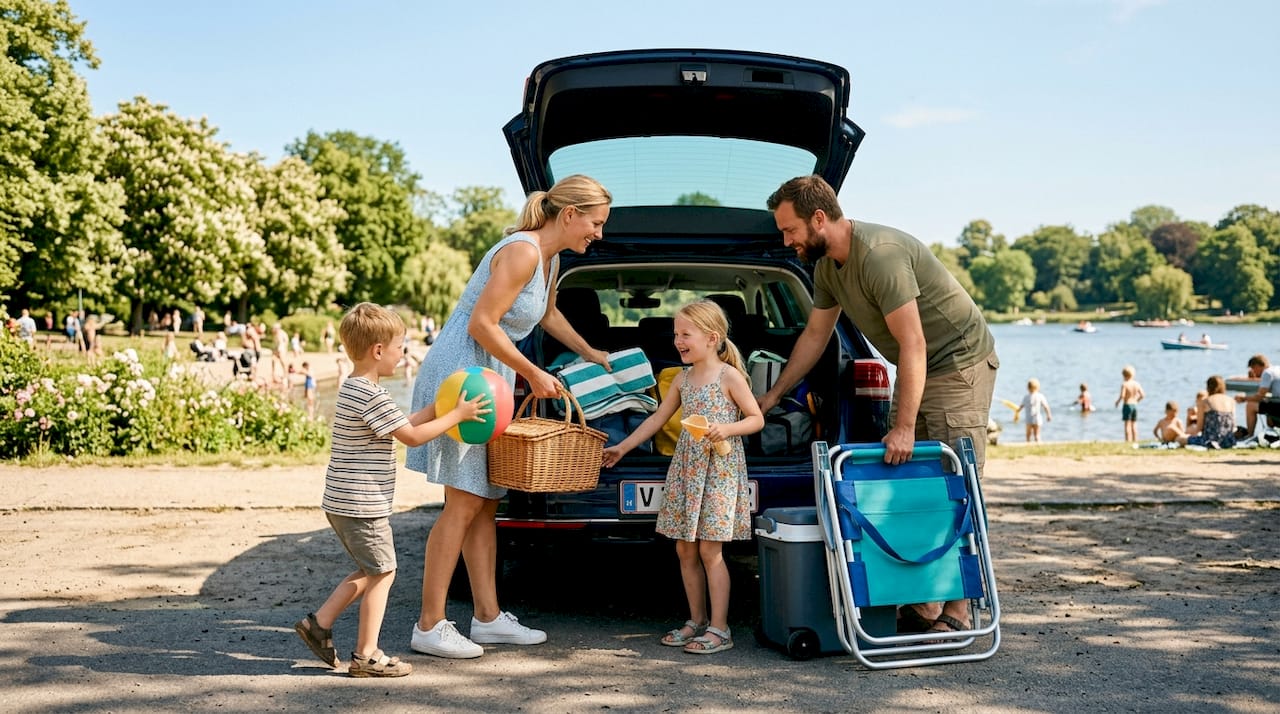
In short:
- A successful beach trip requires thorough planning and preparation. By choosing a Blue Flag beach with the right facilities, you can ensure safety and quality for the family. A careful packing list, good timing, and weather understanding create a relaxing day by the Danish coasts.
A successful beach trip starts with good planning. This step-by-step guide to beach trips provides you with concrete steps from packing list to homecoming, so you and your family can enjoy a safe and relaxing day by the Danish coasts. Blue Flag beaches and TrygFonden Coastal Rescue set the standard for safety and quality at the best beaches in Denmark. With the right preparations, you avoid stress and create memories that last.
What preparations should you have in order before the beach trip?
A good preparation for a beach day is what separates a good day from a frustrating one. In field-designed packing list takes into account changing weather conditions, children's needs, and safety equipment with sun protection and first aid. Don't forget that it's much easier to pack too much at home than to be missing something by the water's edge.
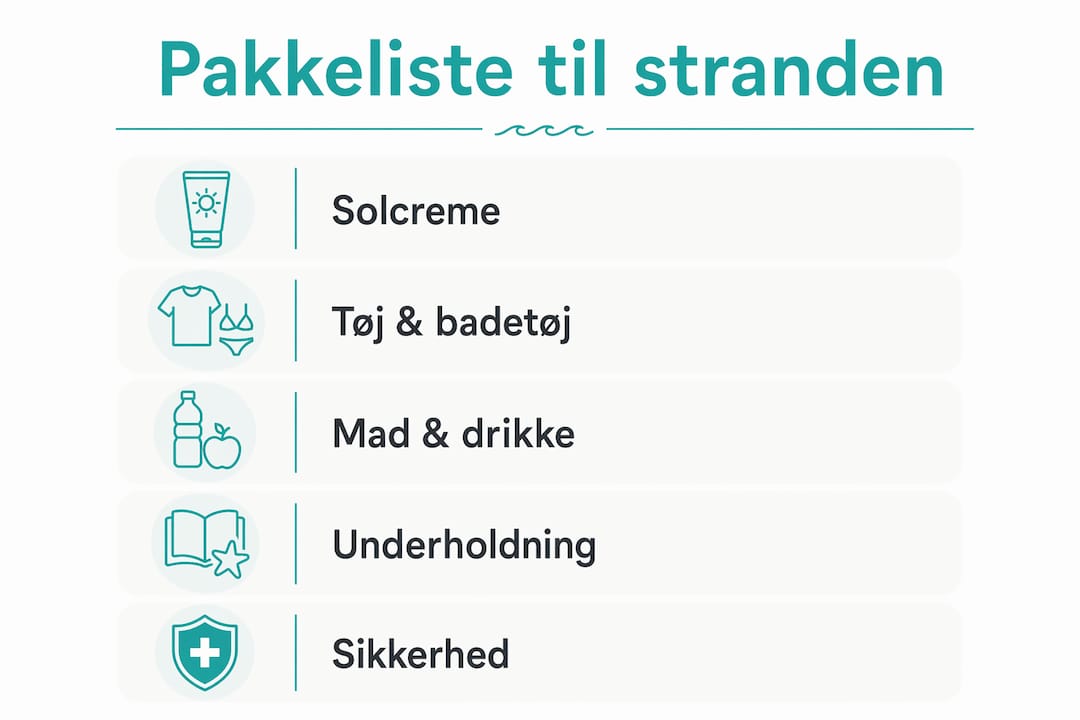
Packing list for the beach trip
Use this list as a starting point and adapt it to your family's needs.
- Sunscreen with SPF 30 or higher (at least two tubes for a whole day)
- Swimsuit, swim shorts, and changing set for everyone
- Towels and an extra blanket to lie on
- Drinking water and food for the whole day
- Beach toys: buckets, shovels, balls, and water toys
- Hats and sunglasses for children and adults
- First aid kit with plasters and wound spray
- Trash bags for cleaning up after you
- Baby oil or sand-repellent powder to remove sand from the skin
- Power bank and waterproof bag for the phone
Professional tip: Put the cream in a ziplock bag and place it at the top of the bag. Here's how to find it quickly, and it doesn't fall into the rest of the equipment.
Sunscreen with SPF 30 It should be applied at least 30 minutes before going out into the sun and reapplied at least every 2 hours. time, especially after bathing. It means that you for one day from 1 o'clock. 10:00 until the hour 18.00 should apply sunscreen at least three times. Many familiar ones forget the refresher after the first bath, and that's exactly where the burning occurs.
Choose environmentally friendly materials whenever possible. Biodegradable waste bags and sunscreen without oxybenzone protect both the family and the ocean.
How do you find the best beach for your family outing?
The right beach makes all the difference. Blue Flag status Indicates quality, safety, and accessibility and is particularly relevant for families and those with walking difficulties. Blue Flag indicates bathing water quality, facilities, and access conditions, and you can find the official list at blaaflag.dk.
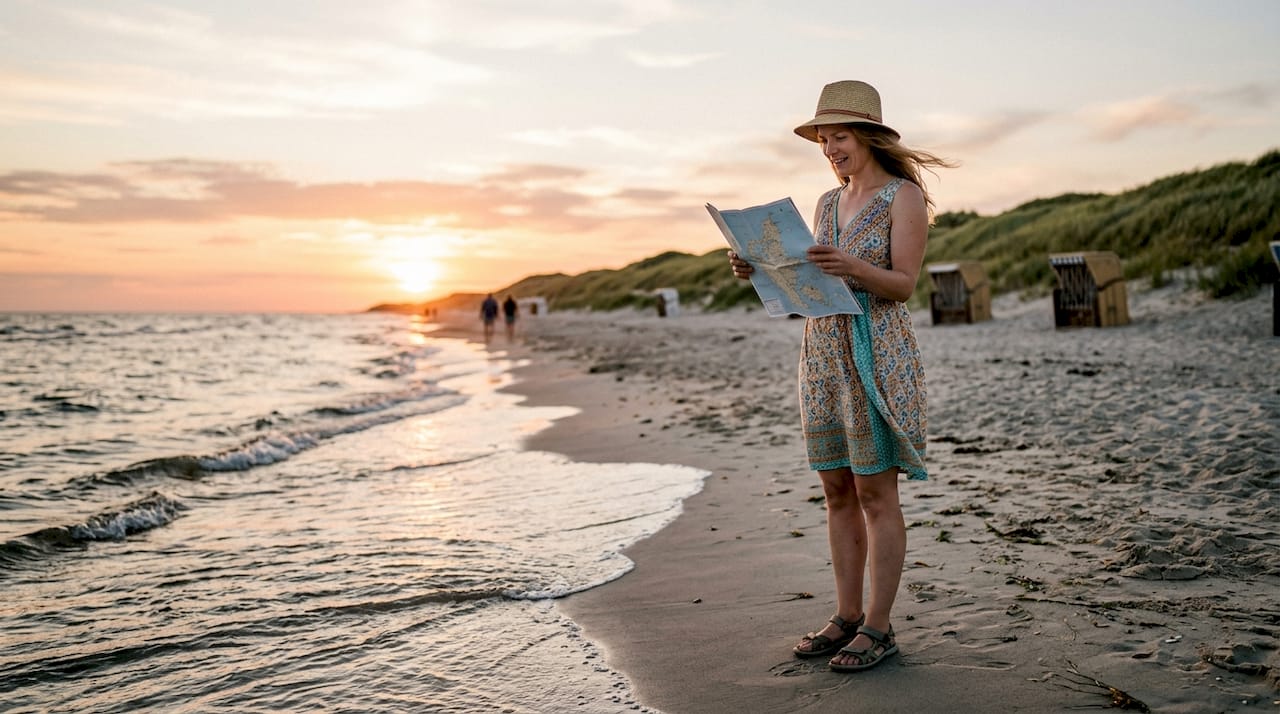
How to evaluate a beach
Use these sources when choosing a beach:
- Badevand.dkOfficial database with current bathing water samples from the municipalities
- Blue FlagOverview of beaches with approved water quality and facilities
- The municipality's websiteSearch for "Coast & Beach" for details about Parking and access conditions
- Satellite imagesUse digital map tools to find remote trails and natural shelter spots
- Local Facebook groupsUpdated information on parking conditions and bathing water quality from the local community
Professional tip: Check the local Facebook group for the beach area the evening before. The local residents often share current information about congestion, parking problems, and water quality, which no official website updates in real time.
Overview of important factors when choosing a beach
| Factor | What you check | Source |
|---|---|---|
| Bathing water quality | Current test results | Badevand.dk |
| Facilities and Accessibility | Climb, groom, puslerum | Blue Flag |
| Parking | Distance to the beach, accessible parking spaces | The municipality's website |
| Security | Lifeguard tower, rescue station | TrygFonden Coastal Lifeguard Service |
| Wind conditions | Wind direction and wave height | DMI |
Family-friendly beaches with good access and facilities increase the likelihood of repeated visits and higher well-being. It's not a coincidence: when logistics work smoothly, the family can relax instead of solving practical problems.
What steps do you take on the day of a successful beach trip?
A good daily plan brings peace of mind and more time to enjoy the sun. Follow these steps from departure to return:
- Depart early in the morning. Arrive at the beach no later than 9:30 AM on hot summer days. Early arrival Ensures parking close to the water and reduces stress for the whole family.
- Choose your seat carefully. Find a place with natural sand, preferably behind a dune or a bush. Sit close enough to the water to keep an eye on the children, but not so close that the tide surprises you.
- Set up the camp systematically. Open the parasol, lay out the blanket, and place bags and equipment so you can quickly find what you need.
- Apply sunscreen to everyone. Do it before anyone jumps into the water. Set an alarm to refresh in 2 hours.
- Monitor the safety flags. A green flag means safe swimming conditions. A yellow flag requires caution. A red flag means swimming is prohibited.
- Hold the madpausen in the shade. Have breakfast under the parasol or behind a dune, preferably in the middle of the day when the sun is strongest.
- Keep running continuously. Collect trash in the bags along the way so that the cleanup doesn't pile up at the end.
- Plan the return trip. Gather together in good time before the children become too tired. A fun trip home is part of a good day at the beach.
Designate a fixed meeting point upon arrival, e.g. by the lifeguard tower or a prominent dune If anyone in the family loses track, everyone knows where to go.
Professional tip: Always have a plan B ready. If the weather changes or the beach is crowded, know an alternative beach nearby before you go.
How do you handle unpredictable weather conditions for a safe beach experience?
The weather is the factor you can control the least, but you can prepare for it the best. Calm beach conditions are defined by wave heights below 0.4 m and wind speeds between 3–5 m/s with offshore wind as the ideal. Wind speeds over 7 m/s cause choppy water and make bathing unsafe for children.
The significance of wind direction
The wind direction determines whether a beach is suitable on a given day. Even a gentle wind can make a beach unattractive if the wind is onshore, creating higher waves and cooler temperatures. Offshore wind, that is, wind blowing from land out to the sea, creates flatter water and warmer stays on the beach.
| Wind type | Effect on the beach | Recommendation |
|---|---|---|
| Offshore (from land) | Flat water, warm beach | Ideal for family bathing |
| On-shore (from the sea) | High waves, cool air | Choose alternative beach |
| Side wind | Moderate impact | Check wave height |
| Calm wind | Fun water, hot day | Perfect conditions |
Use DMI's weather forecast and coastal data to assess the conditions the day before and in the morning. DMI indicates wind direction, wind strength, and wave height for specific coastal areas.
Analyze the coastline's orientation before choosing a beach. A beach facing west is protected from east winds but exposed to west winds. It's a detail that can make all the difference on a windy day.
TrygFonden Kystlivredning staffs lifeguard towers typically from mid-June to the end of August. Outside this period, there is no lifeguard present, and you bear full responsibility for safety. Always check the current staffing plan on the Tryg Foundation's website before you go with children.
What activities make the beach day more fun for the whole family?
Activities on the beach are what turn a passive sunny day into an experience everyone remembers. A good balance between play, rest, and exploration keeps both children and adults happy all day long. Rejse Danmark Guide to beach activities for concrete ideas suitable for all ages.
Activities for children and adults
- Sand dunes and excavation Classic and timeless. Bring shovels in various sizes and make channels for the water.
- Ball game: Beach volleyball, frisbee, and badminton require minimal space and no setup.
- Treasure Hunt: Make a simple list of things children should find on the beach: a round stone, a piece of driftwood, a mussel with two shells.
- Vandleg: Wave jumping, snorkeling in shallow water, and building dams are popular activities for all ages.
- Natural observation Take a magnifying glass and examine crabs, sea anemones, and mussels in the tide pools.
- Relaxation for adults: A book, a podcast, or simply closing your eyes in the shade is also an activity.
Beaches with playgrounds, shade, and changing rooms make it easier to keep the little ones safe and entertained. Check the Blue Flag list for beaches that specifically have these facilities. Cafés and kiosks near the beach are a bonus, but always bring enough food and water to get through the day without them.
Professional tip: Pack a set of dry clothes for the children in a separate plastic bag. When they are ready to go, it is much easier to change into dry clothes than to wait for the swimwear to dry.
Rejsidanmark gathers a wide range of family-friendly destinations along the Danish coasts, so you can quickly find inspiration for your next outing.
I learned that after many years by the Danish coasts.
I have spent countless days on the Danish beaches, from Skagen in the north to Møns Klint in the south, and the most important lesson is simple: flexibility beats perfection every time.
The first time I planned a beach day down to the smallest detail, the weather changed two hours after arrival. We ended up eating the packed lunch in the car and finding an alternative beach 20 minutes away, which turned out to be much calmer and more beautiful than the planned one. Since then, I have always had a backup strand ready.
Something I rarely see mentioned in other guides is the true significance of parking. Parking close to the water's edge often has a greater impact on a positive family experience than the facilities of the beach itself. A 400-meter walk with full beach gear and two tired children can ruin the mood before the day has even begun. Choose the beach with the shortest distance from car to sand, not the one with the most beautiful view.
My best advice for preparation is to pack the night before. Not in the morning, not an hour before departure. The night before. It gives you peace of mind to check the list twice and avoid the classic situation where you discover that the sunscreen is empty when you're already on your way.
— Tommy
Rejsidanmark helps you plan the beach trip
Rejsidanmark gathers practical knowledge about beach trips, transportation, and family activities in one place. If you need to get to the beach without a car, you will find everything about local transport in Denmark In a step-by-step guide covering bus, train, and ferry to the popular coastal destinations. If you want to keep track of what you put in your bag, the packing list for the Denmark trip gives you a complete and easy-to-understand overview. Rejsidanmark covers all of Denmark, so you will always find the right one. Beach holiday in Denmark No matter which coast you prefer.
Frequently Asked Questions
What is the Blue Flag, and why is it important?
Blue Flag is an international quality mark for beaches with approved bathing water quality, good facilities, and accessibility. It is especially relevant for families who want to be sure that the beach is safe and well-maintained.
When are the lifeguards present on the Danish beaches?
TrygFonden Kystlivredning staffs lifeguard towers typically from mid-June to the end of August. Outside this period, there is no lifeguard, and you are responsible for your own safety.
How often should you apply sunscreen at the beach?
Sunscreen with SPF 30 or higher should be reapplied at least every 2 hours. Time is always after bathing. Apply at least 30 minutes before going out into the sun.
What are calm bathing conditions for children?
Calm bathing conditions are defined by wave heights below 0.4 m and wind speeds between 3–5 m/s. Wind speeds over 7 m/s create danger and are not recommended for children.
How do I find the best beach for my family?
Bridge Badevand.dk Use the Blue Flag list as a starting point, and check the municipality's website for parking and access conditions. Local Facebook groups provide updated information about current conditions at popular beaches.
Recommendation
- Trinvis plan for summer vacation Denmark: Get the perfect holiday – Travel in Denmark
- Step by step plan for holidays in Denmark: Make the most of your trip – Travel in Denmark
- Step-by-step guide to museum visits in Denmark – Travel in Denmark
- What are beach activities: a guide for families in Denmark – Travel in Denmark