In short:
- Interactive museums engage visitors through physical and digital participation, enhancing learning. They create personalized and hands-on experiences that enhance memory skills and understanding. Technology contributes to tailored and inclusive museum visits for all age groups.
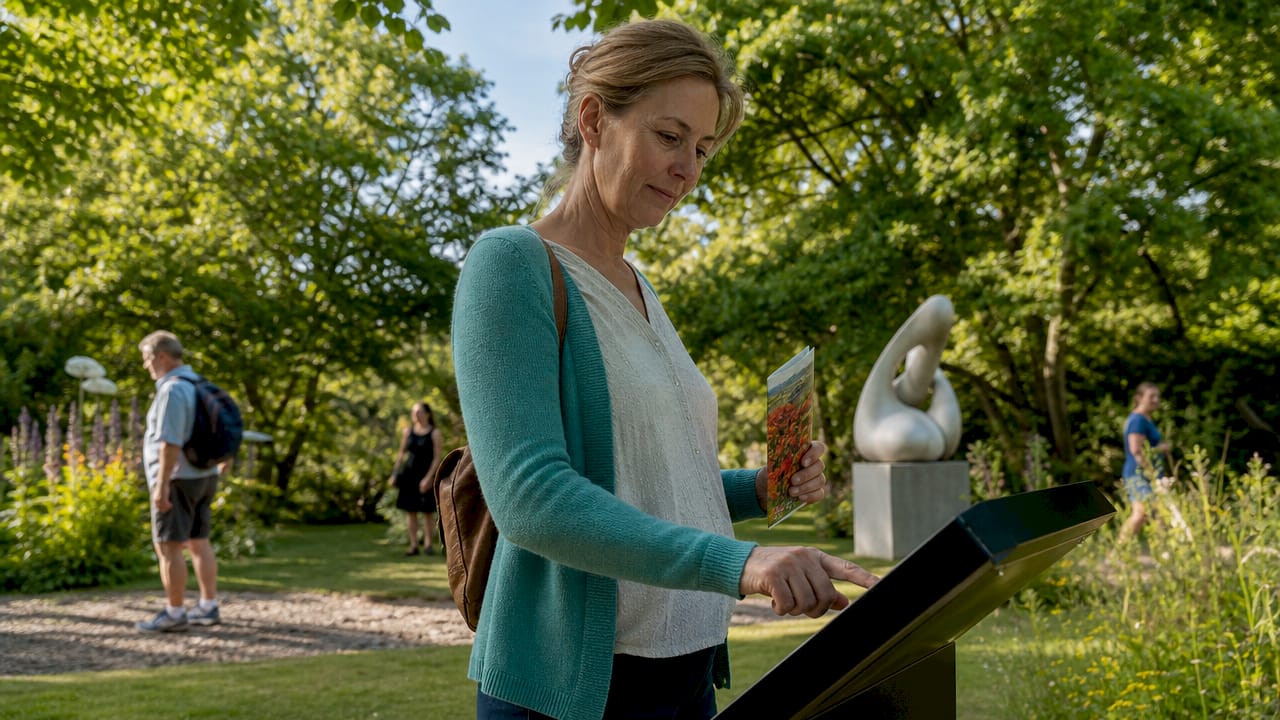
Interactive museums are museums where visitors are actively involved in the experience through digital and physical interaction options, making learning and cultural communication more lively and engaging. This form of museum communication is the central tool in modern Danish cultural life because the shift from passive observation Until active participation increases relevance for visitors significantly. Familiar, culture-interested, and traveling in Denmark find interactive museums particularly attractive because the experience is tailored to the individual. The question of why choose interactive museums is not about trend, but about proven learning effects and shared experiences.
Why choose interactive museums over traditional ones?
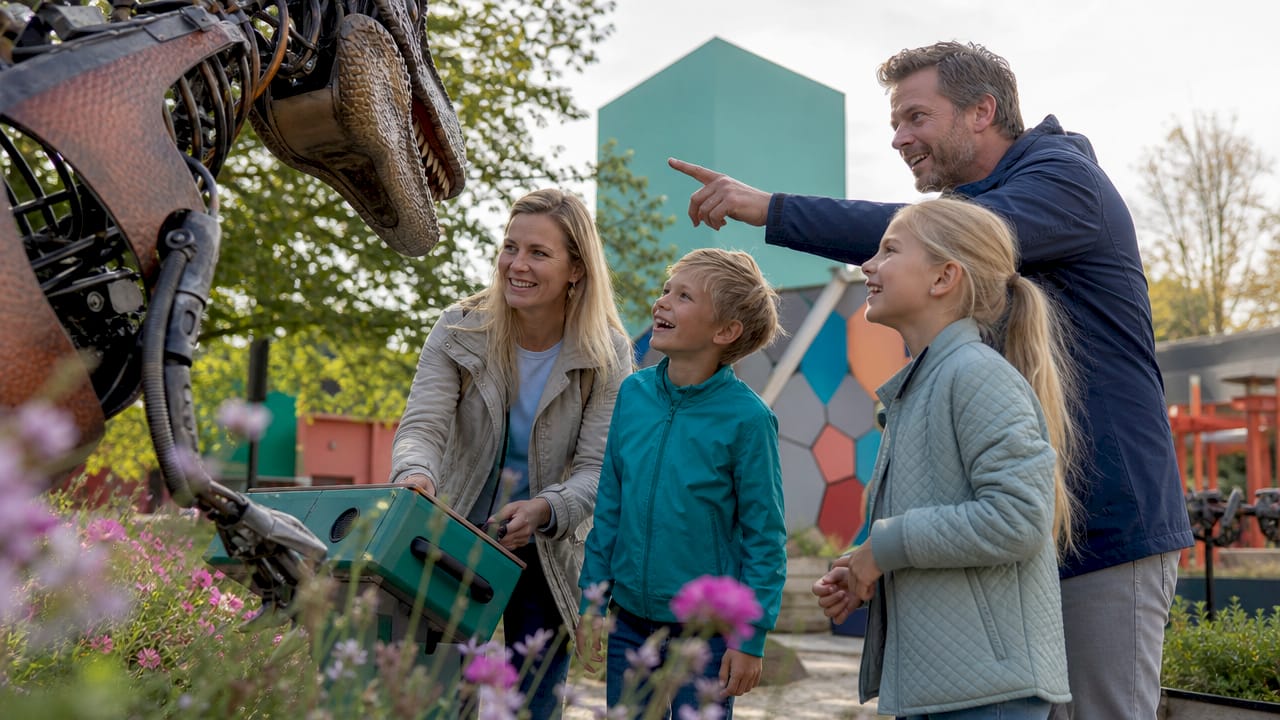
Traditional museums allow visitors to view objects behind glass. Interactive museums let them touch, choose, and act. There is a crucial difference because active participation activates long-term memory in a way that passive observation cannot. Guests who complete tasks or make choices during the visit translate knowledge into experience. Experience stays much longer than information one has merely seen.
Participation-based communication gives visitors a bodily understanding of complex topics. A child trying to row a Viking ship replica understands sailing in a different way than a child reading a text about it. The Viking Ship Museum in Roskilde is a good example of this principle in practice. Here, visitors can participate in reconstructed activities that make history tangible and immediate.
The advantage of interactive museums is also about relevance. When visitors control what they explore and in what order, they experience the museum as personal. It is no coincidence that interactivity has become the central tool in modern museum communication in Denmark.
Guests who make choices or solve tasks remember better and understand complex topics in a bodily way.
Three concrete learning benefits of interactive museums:
- Long-term memory Practical involvement translates information into experience that the body remembers.
- Deep understanding Hands-on activities explain cause and effect better than text alone.
- Motivation: Visitors who act actively stay engaged longer and seek more knowledge.
Professional tip: Plan the visit so that children and adults have time to repeat activities. A second review of an interactive station often provides a deeper understanding than the first attempt.
How do interactive museums improve the experience for families?
Family families seek museums that combine play and learning, and provide Shared experiences for all generationsIt is not enough for a museum to be child-friendly in the sense that it is safe and accessible. It should actively involve both children and adults in the same experience.
Research by Ville Vau, a scenographic museum space aimed at children, shows that Play and adult involvement strengthen the family experience without adults taking over the control of children's play. It is an important nuance. Adults function best as supportive participants who follow the child's pace and curiosity, rather than as instructors. Museums that understand this balance create spaces where the whole family thrives.
Practical activities in museums strengthen camaraderie in a way that a guided tour rarely does. When a family works together to solve a task, build something, or find the answer to a question, natural communication and cooperation arise. These are experiences that the family talks about afterward.
Four ways interactive museums engage families:
- Creative workshops: Children and adults create something tangible that they can take home as a memory.
- Collaboration tasks: Family members solve puzzles or build structures that require all hands.
- Role-playing and scenography Visitors enter historical or fictional worlds and act themselves.
- Free exploration Open stations without a fixed order allow children to follow their own curiosity.
Professional tip: Check the museum's website before the visit for age indications at each station. Many interactive museums have activities targeted at specific age groups, and it saves time to know which stations are suitable for your children.
Rejsidanmarks Guide to museums for children Provides a good overview of which Danish museums offer the strongest family-friendly experiences.
What role does technology play in interactive museums?
Technology enables museums to offer personalized experiences that adapt to the visitor's pace and interests. Digital platforms and touch guides give visitors control over what they see and how long they spend on each topic. It is a fundamental change from the classic museum tour, where everyone follows the same route at the same pace.
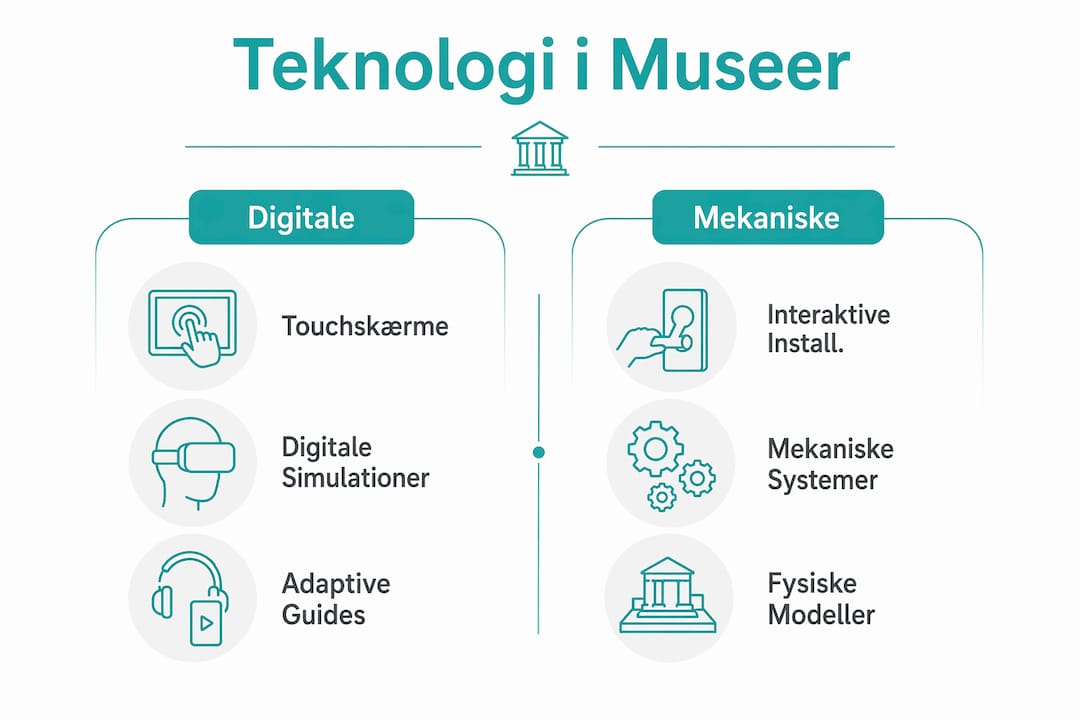
| Technology type | Function | Example of application |
|---|---|---|
| Touch screens | Interactive information search | Search in historical maps and archives |
| Adaptive guides | Adapts content to knowledge level | Different text for children and adults |
| Digital simulations | Recreates historical situations | Experience a medieval city in 3D |
| Mechanical installations | Physical interaction with machines | Operate older machines and understand mechanics |
| Audio guides with options | Personal story | Choose the story that interests you |
The Mechanical Museum combines classical mechanical systems with modern digital technologies. The museum creates interactive social learning environments with activity programs for children and adults together. It is a good example that technology does not need to replace the physical. The best interactive experience combines both.
Adaptive guides are especially valuable for families with children of different ages. A guide that adjusts the difficulty level and language ensures that both a seven-year-old and a fourteen-year-old find the content relevant. It requires technology, but the result is an experience that feels tailor-made.
How do Danish museums convey local history through interactivity?
Danish museums use interactive formats to bring local histories out of archives and make them relevant to a broader audience. Interactive installations engage multiple groups and actively promote local cultural heritage rather than presenting it as a static past. It is a crucial difference for visitors who otherwise would not identify with the story.
A museum about a local industry that allows visitors to experience the work processes creates a connection to the past that a wall text cannot. Visitors not only understand what happened. They understand how it felt. Physical experience creates empathy and understanding across generations.
Interactivity also makes it possible to reach audiences who do not usually visit museums. Young people, newcomers, and families with little museum experience find it easier to engage when the entrance is an activity rather than a text. Museums that understand this use interactivity as a tool for inclusion.
The digital dimension plays a special role in the dissemination of Danish cultural heritage. Digital reconstructions of historical sites give visitors access to worlds that no longer exist physically. The combination of local anchoring and digital technology makes these experiences unique to Denmark. Rejsidanmarks Guide to museum visits Provides practical guidance on how to plan a visit with a focus on these very experiences.
Eat interactive museum tour Offers packages targeted at groups, school classes, and families, making it easy to book a structured experience with local roots.
Interactive museums are more than entertainment
I have visited many museums in Denmark over the years, and the experience that sticks with me the most is not from a museum with the most beautiful objects. It is from a museum where I had to act myself. I still remember how it felt to operate an old machine and understand its logic through my hands rather than through an explanation.
That's exactly what interactive museums do best. They provide visitors with an experience that cannot be copied from a screen at home. The shared experience that the family shares when everyone is involved in the same activity creates a kind of camaraderie that a passive tour rarely produces.
I am convinced that the balance between play and learning is the hardest to get right. Museums that succeed create spaces where children learn without realizing they are doing so, and adults discover something new without feeling taught. It requires thoughtful design and respect for visitors' autonomy.
My recommendation is clear: Choose the interactive museum over the traditional one when traveling in Denmark with family or as a culture enthusiast. You will remember more, understand more, and have more to talk about afterward. It's not a small thing.
— Tommy
Plan your next museum visit with Rejsidanmark
Rejsidanmark gathers the best interactive museums and family-friendly cultural offerings in Denmark in one place. The platform gives you an overview of experiences sorted by age, price, and season, so you can quickly find what suits your family or travel group. Child-friendly attractions in Denmark It is gathered in an accessible guide that makes planning simple. You also find inspiration for holiday parks and family activities for those who want to combine museum visits with other experiences. Rejsidanmark is the place you start when you want to make the most of your time in Denmark.
Frequently Asked Questions
What are interactive museums?
Interactive museums are museums where visitors actively participate in the experience through physical and digital activities rather than just observing exhibitions. Participation can range from operating machines to solving tasks and participating in role-playing.
Why are interactive museums good for children?
Interactive museums combine play and learning, allowing children to acquire knowledge through their own actions and choices. Activities such as creative workshops and collaborative tasks strengthen both understanding and motivation in children.
Does one only remember from interactive museums?
Participation-based communication activates long-term memory because guests convert information into experience through practical involvement. Visitors who act actively remember more than those who just observe.
What technologies are used in interactive museums?
Interactive museums use touch screens, adaptive guides, digital simulations, and mechanical installations to create personalized experiences. The technology allows visitors to customize their pace and focus during the visit.
Are interactive museums only for families with children?
Interactive museums appeal to all age groups, including adults and culture enthusiasts. Many Danish museums offer activities and packages targeted at adults, groups, and seniors with a focus on immersion and local cultural heritage.
Recommendation
- Why Visit Museums – Culture, Learning, and Community – Travel in Denmark
- Discover the best museums for children: Family experience guide – Travel in Denmark
- Why choose Danish museums – Cultural enrichment and insight – Travel in Denmark
- Types of Danish Museums: Everything You Need to Know – Travel in Denmark