In short:
- Food culture provides a deeper understanding of a place through traditions and the origin of raw materials. Travelers who prioritize local food, create connections, and support local communities. Authentic experiences are best achieved through markets, cooking classes, and respect for local customs.
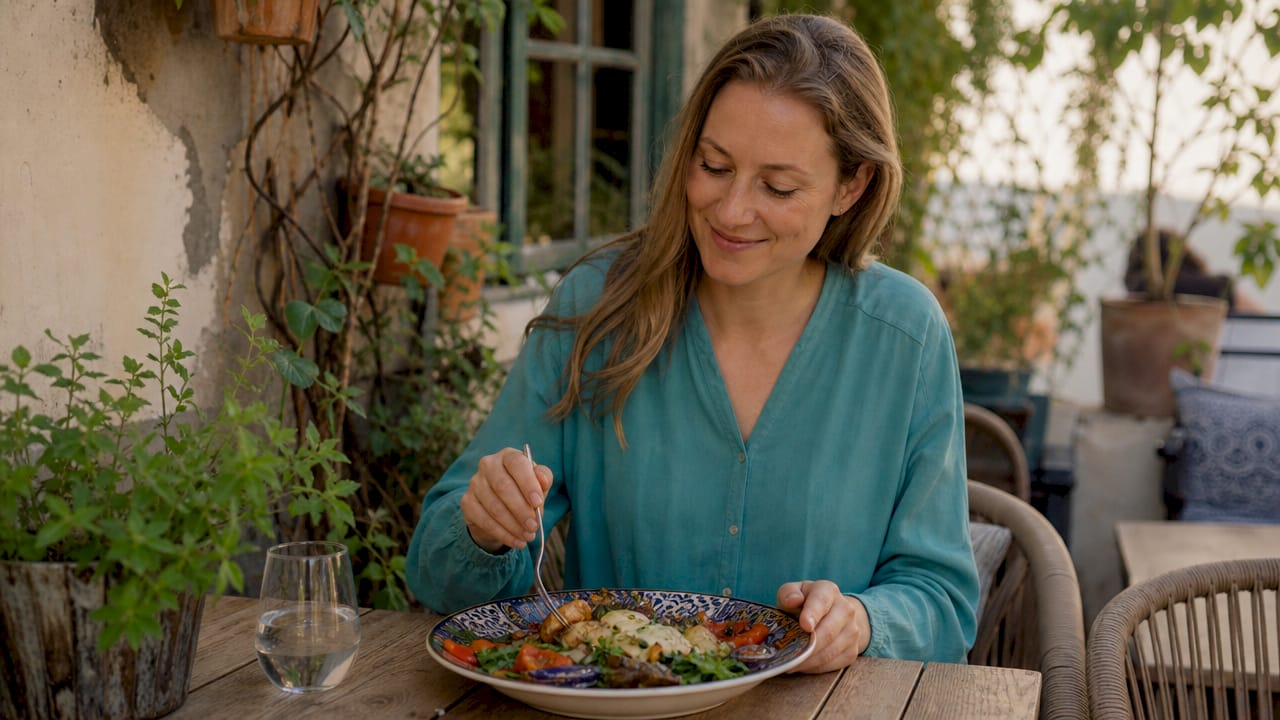
Food culture is the most direct way to understand a foreign place. The role of food culture in travel is not just about eating well. It's about encountering local traditions, understanding the history behind the ingredients, and creating genuine connections with the people who live there. Gastronomy and culture are inseparable: every meal reflects climate, geography, religion, and social norms. Travelers who prioritize local food experience destinations on a deeper level than those who stick to tourist menus and familiar chains.
How food culture shapes travel experiences and understanding of destinations
Mad is a cultural language. It tells stories that no guidebook can fully convey. A bowl of fish soup in Brittany reflects generations of coastal life. A plate of open-faced sandwiches in Copenhagen bears traces of Danish working-class culture and seasonal awareness. When you eat it, people eat it every day, you understand something about them that you will never find in a sight.
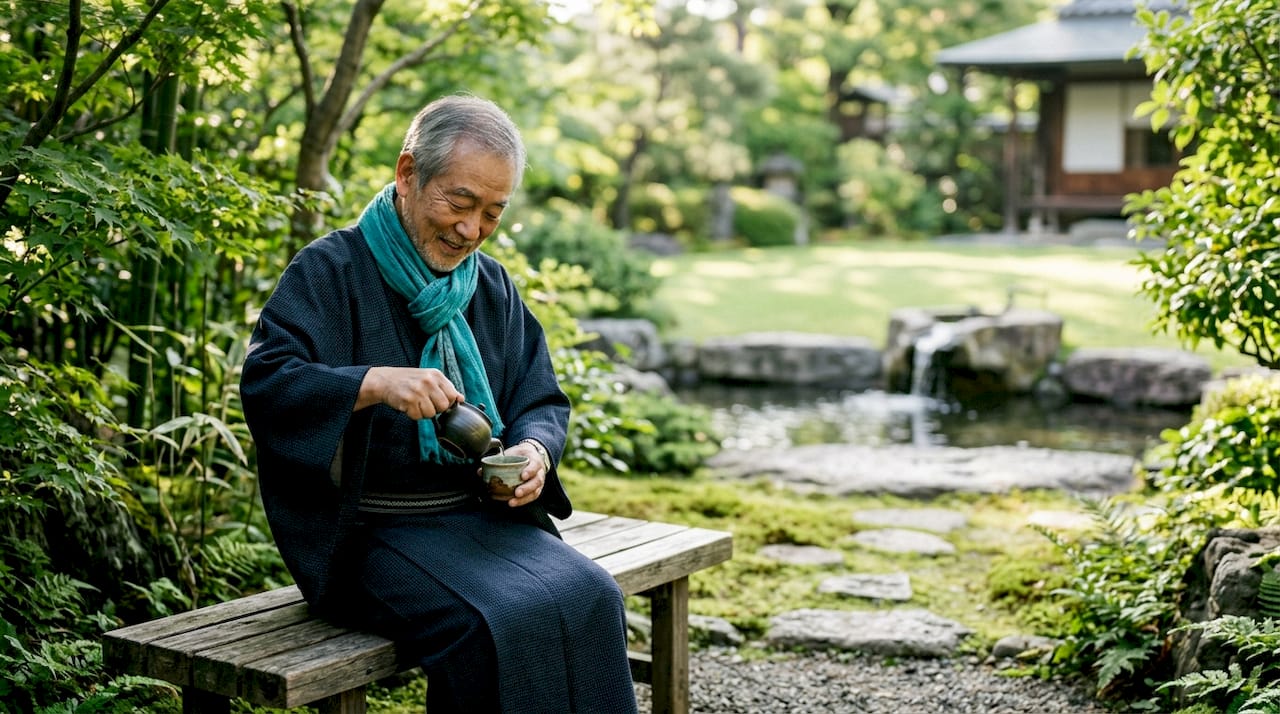
Food traditions and travels are closely connected because food structures social rituals. In Japan, the tea ceremony is a meditative practice, not just a drink. In Morocco, it is impolite to refuse food offered by a host. In South Korea, the order in which you eat signals respect for the elders at the table. These customs are not details. They are the core of what it means to live in that society.
The origin of raw materials also tells a story. Seasonal ingredients reflect the country's climate and agricultural history. Spices reveal trade routes that are hundreds of years old. Fermented products like kimchi in Korea or surströmming in Sweden demonstrate how people have historically preserved food and survived winters. Understanding the background of the food Transforms a meal from a taste experience into a cultural encounter.
Deep travel experiences also create a respect that sightseeing rarely achieves. When you sit at a table with a local family and try to eat with the utensils they use, you show humility. That gesture opens doors. People share more, laugh more, and invite you into a part of their lives that tourists usually never see.
Professional tip: Always ask about the origin of the recipe, not just the ingredients. Who taught you to do this?It is the question that starts the best conversations at the table.
- The season of raw materials Directly reflects the local climate and agricultural history
- Social meal rituals Sharing dishes or specific seats demonstrates hierarchy and community
- Cooking techniques Some fermentation, drying, and smoking tell of survival and ingenuity
- Religious dietary restrictions or halal, kosher, or Hindu vegetarianism explains the values of society
- Festive meals marks the most important events of the year and provides insight into what people celebrate
What does food tourism mean for the local economy?
Culinary tourism is a strategic economic tool. It spreads tourists' spending across the entire supply chain from farmer to chef to restaurateur. Madturisme strengthens local supply chains by connecting producers directly with visitors, which creates jobs and keeps the money in the local community.
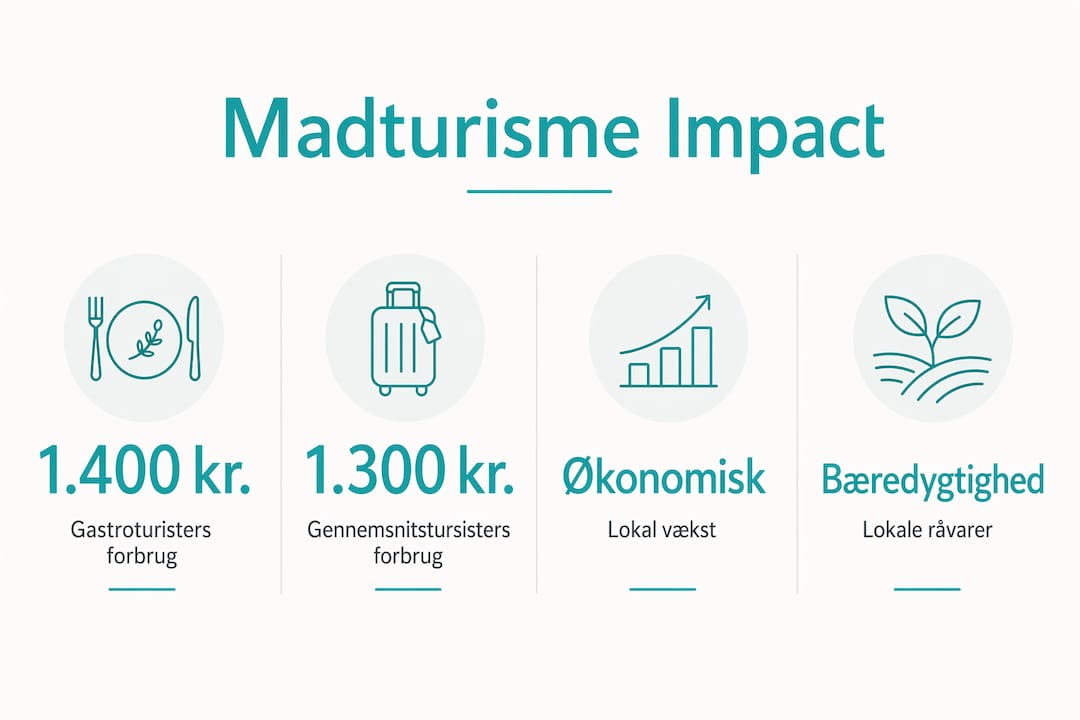
The numbers speak for themselves. Gastro tourists in Denmark use an average of 1,400 DKK pr. 24 hours for 1,300 DKK for the average tourist It sounds like a small difference, but when multiplied by millions of visits, it becomes a significant additional income for the destination.
| Tourist type | Average daily consumption | Primary expense item |
|---|---|---|
| Gastrotourist | 1,400 kr. | Restaurants and food markets |
| Average tourist | 1,300 kr. | Accommodation and transportation |
The difference is not just about money spent on food. Gastro tourists also seek cooking classes, visits to farms and local producers, as well as guided market tours. All these activities directly benefit local business owners.
Culinary tourism is one of the few forms of tourism that genuinely distributes wealth. When a tourist eats at a local restaurant that buys raw materials from a nearby farm, the money circulates within the community instead of disappearing into international chains.
Sustainability is another dimension. Madturisme, which prioritizes local and seasonal raw materials, supports traditional cultivation methods and preserves culinary heritage. Old grain varieties, forgotten vegetables, and regional cheese types survive because tourists demand them. Without interest, they disappear from the market and thus from the culture.
Culinary tourism as a form of cultural communication It has also been documented as an effective way to differentiate destinations. Places with a strong gastronomic identity attract visitors who return and recommend the place to others. It is a long-term investment in the city's reputation.
How to find authentic food experiences while traveling
Authentic food experiences require curiosity and cultural sensitivity. They don't require a Michelin budget. The deepest culinary experiences are often found at local markets, where the raw ingredients directly reflect the place's culture and season.
Here is a practical approach to engaging yourself meaningfully:
- Visit the local market early in the morning. The market is where chefs and housewives shop. You see what's in season, what's cheap, and what people actually eat. It is not a tourist attraction. It's everyday life.
- Learn the non-verbal rules. Familiarity with cultural dining etiquette opens up local communities. Holding chopsticks correctly in Japan, eating with the right hand in India, or waiting for the eldest to start eating in Korea demonstrates respect and builds trust.
- Take a cooking class with a local. Not at a tourist hotel, but at a private individual or a small local cooking school. You learn techniques, but you also learn what the food means to the family that is teaching you.
- Eat street food carefully. Street food is not dangerous, it is authentic. Choose booths with queues of locals. Avoid places that only have menus in English with photos of the dishes.
- Ask about the story behind the dish. What is the origin of this law?It is a question that shows interest and opens conversations. Many chefs and sellers are happy to share the story if you ask sincerely.
- Avoid restaurants near the major tourist attractions. The prices are higher, the quality is lower, and the experience is tailored to tourists, not locals. Walk two streets away, and you'll find another world.
Professional tip: Use Google Maps to search for restaurants with many reviews in the local language. If the reviews are primarily written by locals, it is a good sign.
Cultural sensitivity also involves accepting that not everything tastes good to you. Durian in Southeast Asia, fermented shark in Iceland, or blood sausage in Denmark may seem strange. Trying it anyway and doing it with openness shows respect for the culture behind the law.
How modern food trends influence culinary experiences on travels
The convenience culture is changing the food experiences, also for travelers. Danes spend an average of 26 minutes for preparing dinner, and 70% of meals are ready in under 30 minutes. It reflects a global trend towards quick solutions, which also influences what tourists expect to find.
The problem is that the convenience culture erases the authentic. When local restaurants adapt to tourists' expectations for quick, recognizable dishes, they lose what makes them unique. Destinations risk becoming gastronomically uniform, where the same burger menu is served in Bangkok, Barcelona, and Brussels.
- Prepared foods dominate everyday life. 75% of Danes use prepared foods daily, but only 80% find them tasty compared to 97% for homemade food. It shows that authenticity still wins in taste.
- A loss of cooking skills threatens the culture. A director from Madkulturen warns that Basic cooking skills are disappearingEspecially regarding fish. When skills disappear, dishes from the culture disappear.
- Gastronomy as an art form is under debate: The Danish Minister of Culture has proposed to equate gastronomy with art. It signals a political recognition of the cultural value of food, but critics believe that the focus should remain on the craft of everyday cooking.
- Food jams and community-based food events grows as a response to the convenience trend. They gather people around cooking and rebuild the skills and traditions that are at risk of being lost.
- Tourists' expectations are shaped by social media. Instagram-friendly dishes and "bucket list" experiences drive demand towards the spectacular rather than the authentic. It pressures destinations to market food as a visual experience rather than cultural communication.
Travelers who understand this dynamic can actively choose differently. You can search regional specialties from all over Denmark In front of the internationalized menus. You can prioritize the places that preserve the traditions and thus support them with your wallet.
My honest assessment of the role of food culture on travels
I have traveled a lot and eaten even more. The experience that stays strongest with me is not from a Michelin restaurant. It is from a small kitchen in a village in Georgia, where a woman taught me to make khinkali, the steamed dumplings that are the country's pride. We didn't speak the same language. But we understood each other completely at that table.
That's exactly what food culture does. It cuts through the barrier of language and finds something common human. And that is why I believe travelers underestimate the depth of culinary experiences. Most people treat food as fuel or entertainment. Few treat it as what it is: a window into another person's world.
I am also concerned about the trend I see. The convenience culture and social media's focus on the photogenic threaten to make food experiences during travel superficial. When a destination begins to serve "Instagrammable" dishes instead of authentic ones, it has lost something essential. And it is difficult to regain.
Good advice is simple: Spend time understanding, not just tasting. Ask about the story. Learn a technique. Sit at the table with people you don't know. From cultural experiences in Denmark and elsewhere are the richest when you meet them with genuine curiosity rather than a checklist.
The future of culinary travel depends on whether travelers choose authenticity over convenience. I am optimistic. I still meet travelers who seek the authentic. And I still meet chefs and families who are proud to share it.
— Tommy
Food culture and gastronomy in Denmark with Rejsidanmark
Denmark is a world-class gastronomic destination. From the new Nordic cuisine to regional specialties such as fried pork belly, rye bread, and Sønderjysk æbleskiver, the country offers culinary experiences that tell of Danish nature, climate, and culture. Rejsidanmark gathers the best local food experiences in Denmark and helps you find the authentic places that are outside the main tourist routes. Are you planning your first visit? The guide for first-time visitors Create a solid foundation for experiencing Danish food culture from the best perspectives.
Frequently Asked Questions
What is the significance of food culture for the travel experience?
Food culture provides access to a place's history, social norms, and daily life in a way that sights cannot. A local meal is a cultural encounter, not just a taste experience.
Do gastrotourists spend more than other tourists?
Gastro tourists spend an average of 1,400 DKK. pr. 24 hours in Denmark for 1,300 DKK for the average tourist It makes them an economically attractive group for destinations.
How do I find authentic food experiences while traveling?
Visit local markets early in the morning, eat street food at stalls with local customers, and take cooking classes with locals. Avoid restaurants near tourist attractions with English menus and picture menus.
What are non-verbal eating habits, and why are they important?
Non-verbal table manners are cultural rules for how to eat, receive food, and behave at the table. Knowing them shows respect and opens up genuine contact with the local population.
How does the convenience trend affect the food culture while traveling?
The convenience trend is pressuring local restaurants to adapt to tourists' expectations for quick, recognizable dishes. It risks making gastronomic experiences uniform and erases the authenticity that travelers are actually seeking.
Recommendation
- Danish traditional food – regional specialties from all over Denmark – Travel in Denmark
- Discover Danish traditions: your guide to culture and experiences – Travel in Denmark
- How gastronomic experiences make your trip to Denmark unforgettable – Travel in Denmark
- Experience the best local food experiences in Denmark – Travel in Denmark