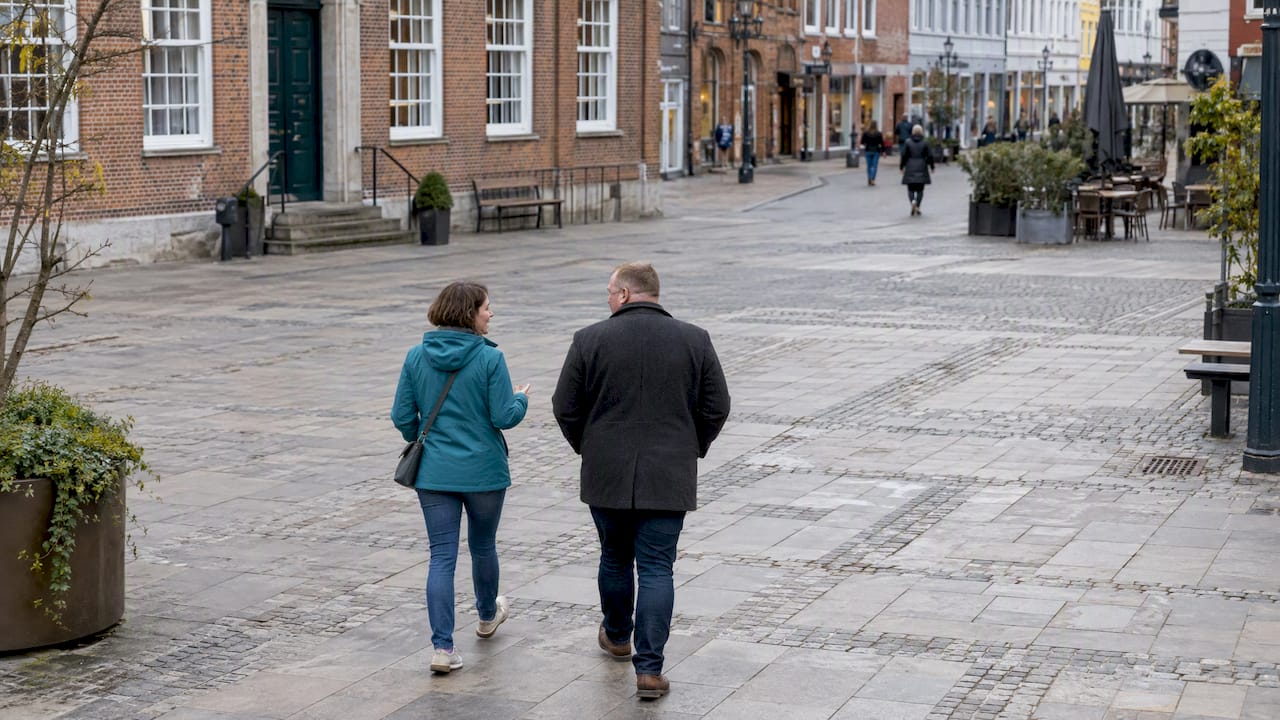
Walking tours provide cultural experiences, an overview, and exercise all at once, and you don't need special equipment or a strict schedule. You enter the city's stories instead of just driving past them. Both UNESCO and WHO point out that good walking routes strengthen both cultural understanding and health. Read on for concrete advice and examples.
Cultural experiences: how a city walk opens up architecture and stories
A monument seen from a bus is a picture. A monument encountered in the middle of a route is part of a story: you see what was beside it, where the trade route ran, and why the square is shaped the way it is. It's the difference between ticking a place off and understanding it.
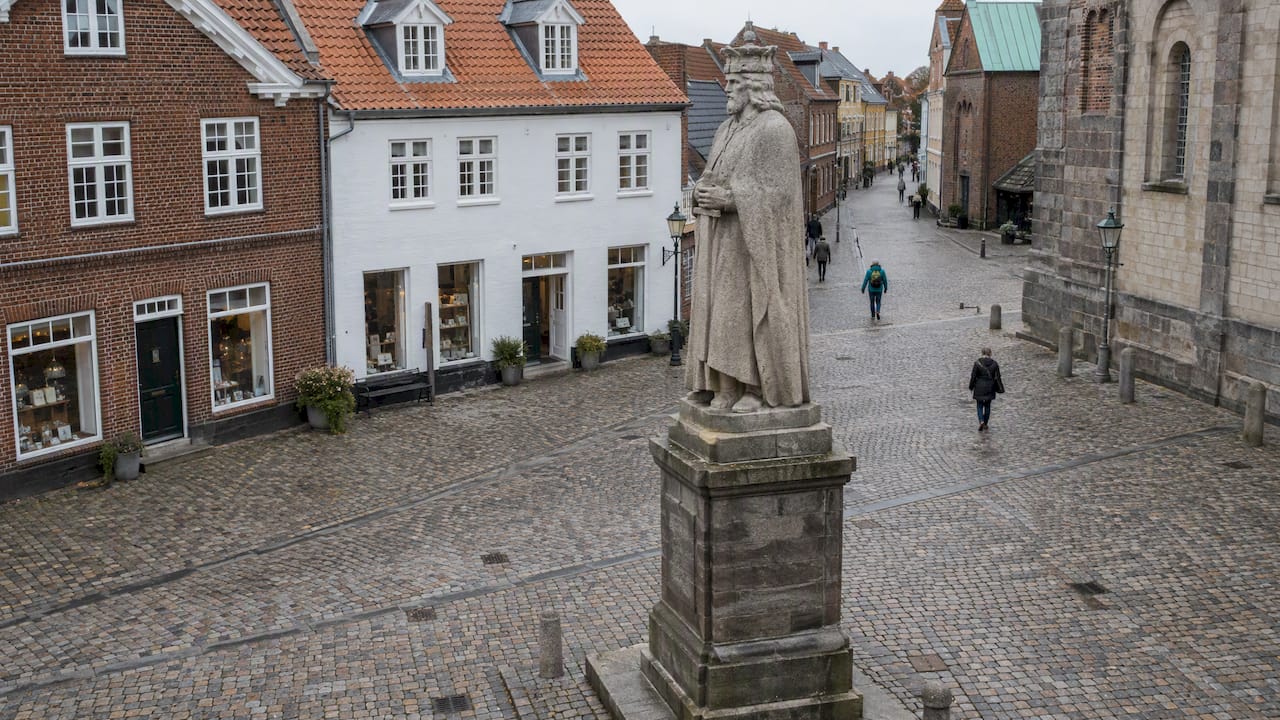
UNESCO consciously works with this kind of communication. Via 世界遗产之旅 Collects World Heritage sites into thematic travel routes that connect famous attractions with lesser-known places. You can use the same approach for a regular city walk: choose a theme, and let the route reflect it. The routes are based, among other things, on cultural heritage sites in Europe, where 34 sites are grouped into themes.
A city walk can give you many kinds of experiences:
- Architecture: Facades, courtyard spaces, and building styles from different eras.
- Local stories Stories about the city's people, fires, trade, and everyday life.
- Museum stops: a short visit to a local museum in the middle of the trip.
- Literary routes places where authors have lived, written, or drawn inspiration from
If you want to read more about why the oldest neighborhoods are worth visiting, we have compiled it in our guide to old neighborhoods, culture and history.
Get an overview of the city: how walks reveal the city's structure
When you walk, you get a sense of distances, differences in height, and contexts. You discover that two neighborhoods that seem far apart on the map are actually just a few streets away from each other. You rarely get that overview behind a window.
Ljubljana is a good example. According to EU Urban Mobility Observatory The city's pedestrian zone has expanded by 620% since 2007. The source describes it as a coherent area to walk in. The city removed parking lots and gave the streets back to city life. The result is a city on a human scale, where the route feels natural.
How to get the most overview on a trip:
- Choose a route that follows both the main streets and slips into the narrow side alleys.
- Walk through the city's square so you can see how the neighborhoods connect to it.
- Look up and back along the way, because the city looks different from the opposite direction.
Are you planning a trip to Denmark, our guide will help you exploring Denmark's cities Choose your route and area.
Motion and health: therefore, city walking counts as active transportation
A city walk is exercise without it feeling like training. WHO Europe emphasizes that bydesign determines whether people move, and well-designed public spaces can provide health benefits without people thinking of it as exercise. Buyers with safe, connected walkways make it easy to incorporate movement into the day.
WHO recommends Safe, connected networks for walking and cycling a way to more physical activity in cities
It means that the actual trip counts, not just the time you spend looking. The report "Health-enhancing physical activity in the European Union, 2024" also indicates that active travel choices increase the likelihood of daily movement.
Practically, it means:
- Hold a tempo where you can speak but feel that you are moving.
- Divide the day into stages so you don't go too far in one stretch.
- Stop at the sights, and then continue at a steady pace.
Practical planning: clothing, food, breaks, and accessibility
A good trip starts at home. Go through this checklist before you leave:
- Comfortable shoes Go to them before the trip to avoid blisters.
- Clothing in layers a thin layer underneath and a jacket on the outside, so you can adapt to the weather.
- Raincoat and water bottle The weather changes quickly, and you will need to drink along the way.
- Meal breaks: Plan in advance a café or a bakery seat along the way.
- Seating areas and toilets Mark a few spots along the route so you don't have to search when you need them.
Professional tip: Plan the route as a round trip that ends at a place where you want to eat, so you have something to look forward to on the last part of the trip.
If you have children, elderly, or people with reduced mobility, choose shorter stages and flat routes with benches. Luxembourg aims for what is possible: accessible cultural tours with audio guides and routes for wheelchair users. Our Practical guide to city walking Elaborate on more of the tips.
Arranged tour or self-guided: what suits your goal
Both forms give you the city, but in their own way. The important thing is what you want to get out of the trip.
- Guided tour: A local storyteller provides depth and stories that you won't find on signs. The road is laid, and you meet others who share your interest.
- Self-guided tour You control the tempo, pauses, and stops. It fits when you have a special topic or want to linger on what catches you.
- Time and price: A guided tour often has a fixed time and price, while a self-guided tour is flexible and typically cheaper.
- Language and children: Check if the guide speaks your language and if the tour is adapted to children's endurance.
If you're in doubt, you can combine the two: take a guided tour on the first day to get an overview, and explore on your own the next day. We have rewritten. The guide's role in travel planningif you want to know more.
Digital maps and thematic routes make the trip sharper
Digital cards let you see more than you would find on your own. UNESCO's Urban Heritage Atlas uses cultural mapping to show how architecture, settlement, and history are interconnected in historic cities. Thematic maps reveal lesser-known places and hidden layers of history.
Kort can also spread the visitors. If you suggest routes around the most crowded trails, the trip will be calmer, and the city will be less burdened, which supports sustainable tourism. You can use digital maps for literary routes, accessibility maps, or interactive apps that embed the story into your phone as you walk. An example of an offer for city trips can be found at Travel Last Minute, where you can compare city tours to Denmark.
Journey in Denmark's perspective: therefore we recommend a city walk
We believe that city walking tours are a good way to get more out of a city, whether you are traveling alone, as a couple, or with children. It can often be experienced without a ticket and fits into both cultural and family trips. Use it as the backbone of a day and let café stops and museums be the small rewards along the way. Try it the next time you're in a city anyway, and let curiosity determine the route.
— Tommy
Find hikes and guides with us
On Rejs in Denmark, you can plan your next trip with our tools:
- An interactive map where you can search and filter experiences by season, price, and age.
- Guides that help you choose routes and stops.
- Practical advice in our Checklist for Denmark tripSo you are ready before you go.
Use the card to find experiences, and go through the checklist before you leave.
Frequently Asked Questions
Why is a city walk a good way to experience a city?
You see the city at a pace that allows time for the details. You get culture, an overview, and exercise on the same trip, and you can customize the route to your own interests.
Does a city walk count as exercise?
Yes, active transport is involved, and the WHO points out that well-designed cities can provide health benefits without thinking of it as exercise. Maintain a steady pace and take breaks along the way.
Should I choose a guided tour or go on my own?
It depends on the goal. A guided tour provides depth and stories, while a self-guided tour offers freedom in pace and topics. Many combine the two.
What should I bring on a city tour?
Comfortable shoes, layered clothing, rain gear, and a water bottle are the most important. Also plan café stops, seating, and toilets in advance.
Is urban exploration suitable for children and the elderly?
Yes, if you choose shorter stages, flat routes, and places with benches. Check if your destination has available routes so that the trip can be tailored to the participants' needs.
Sources
- Whc
- Pedestrianisation of Ljubljana city centre – EU Urban Mobility Observatory
- Who
- تشجيع المشي وركوب الدراجات: مجموعة أدوات خيارات السياسات